Churning Global Ambition: Inside Yili’s Strategic Integration of New Zealand’s Dairy Heartland

Yili Group’s New Zealand subsidiary, Westland Milk Products, has posted record revenues and a 319% jump in profits, signaling a successful shift in the company's globalization strategy. By moving from simple resource acquisition to deep industrial integration and high-value product development, Yili is positioning itself as a sophisticated global player in the dairy and health food sectors.

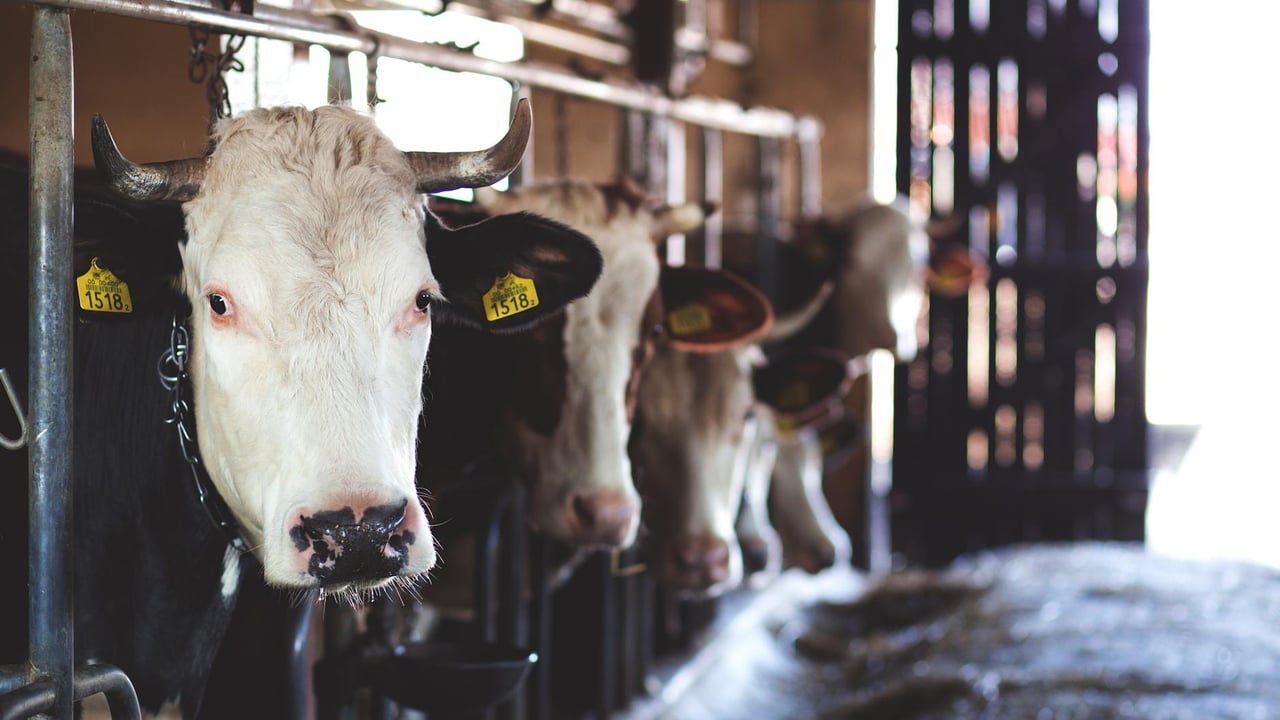
Holstein cows standing in a dairy barn, showcasing modern farming practices.

Key Takeaways

  • 1Yili's New Zealand subsidiary achieved a record revenue of 1.58 billion NZD with a 319% increase in pre-tax profit.
  • 2The company has successfully transitioned from a 'going out' (export-focused) to a 'going in' (localized integration) strategy.
  • 3High-value products like Westgold butter and lactoferrin are driving significant growth in international markets, including a 341% sales increase in the U.S.
  • 4Yili now operates a global network of 15 R&D centers and 77 production bases, selling products in over 80 countries.
  • 5The group targets sustained double-digit growth for its international business, aiming to make overseas operations a primary growth engine.

Editor's
Desk

Strategic Analysis

Yili’s performance in New Zealand represents a sophisticated maturation of the Chinese 'Going Global' initiative. Unlike previous decades where Chinese firms often overpaid for overseas assets and struggled with cultural and operational integration, Yili has successfully leveraged New Zealand’s premium 'grass-fed' branding to enter high-barrier markets like the U.S. and Europe. This shift toward 'high-value ingredients'—such as lactoferrin and specialized proteins—indicates that Yili is no longer competing solely on volume, but is moving up the value chain into nutritional science. This strategy provides a hedge against domestic market saturation in China and builds a more resilient, diversified revenue stream that is less dependent on cross-border logistics and more on local production-for-local-consumption models.

China Daily Brief Editorial
Strategic Insight
China Daily Brief

The narrative of Chinese corporate expansion is shifting from mere export dominance to deep, localized industrial integration. This evolution is most visible in the remote pastures of New Zealand’s South Island, where Yili Group, Asia’s largest dairy entity, is transforming its 2019 acquisition of Westland Milk Products into a high-margin powerhouse. Recent financial disclosures reveal that the New Zealand subsidiary achieved a record-breaking revenue of 1.58 billion NZD, with pre-tax profits surging by an astonishing 319% year-on-year.

This fiscal turnaround marks a departure from the early days of 'going global,' where Chinese firms primarily sought to secure raw resources for domestic consumption. Today, Yili’s strategy, showcased during its latest international 'Cloud Tour,' emphasizes a 'full-chain ecosystem.' By managing over 400 local farms and investing in high-tech production lines for value-added products like Westgold butter and lactoferrin, the company is positioning itself as a global producer rather than a simple importer.

The success in New Zealand serves as a blueprint for Yili’s broader international network, which now includes 15 R&D centers and 77 production bases worldwide. The focus has moved toward high-end nutritional science and specialized ingredients. In the United States, for instance, sales of Yili’s Westgold butter have jumped by 341%, illustrating that the company is leveraging New Zealand’s 'clean and green' pedigree to capture premium market segments far beyond the Chinese mainland.

For global observers, Yili’s trajectory reflects the maturing of Chinese multinationals in a fragmented geopolitical landscape. Rather than remaining isolated within the domestic market, the company is weaving itself into the fabric of local economies. By achieving double-digit growth in international business, Yili is signaling that its future growth is inextricably linked to its ability to synchronize global assets with local expertise, effectively redefining what it means to be a 'comprehensive health food' conglomerate on the world stage.

Share Article

Related Articles

📰
No related articles found