China’s Price Paradox: Surging Factory Costs and Stagnant Consumption Signal a Growing Manufacturer Squeeze

China's May economic data shows a sharp divergence between a 46-month high in factory-gate inflation (PPI) and stagnant consumer prices (CPI). This widening gap reflects a structural imbalance where rising upstream commodity costs are not being passed to consumers due to weak domestic demand, placing immense pressure on manufacturer profit margins.

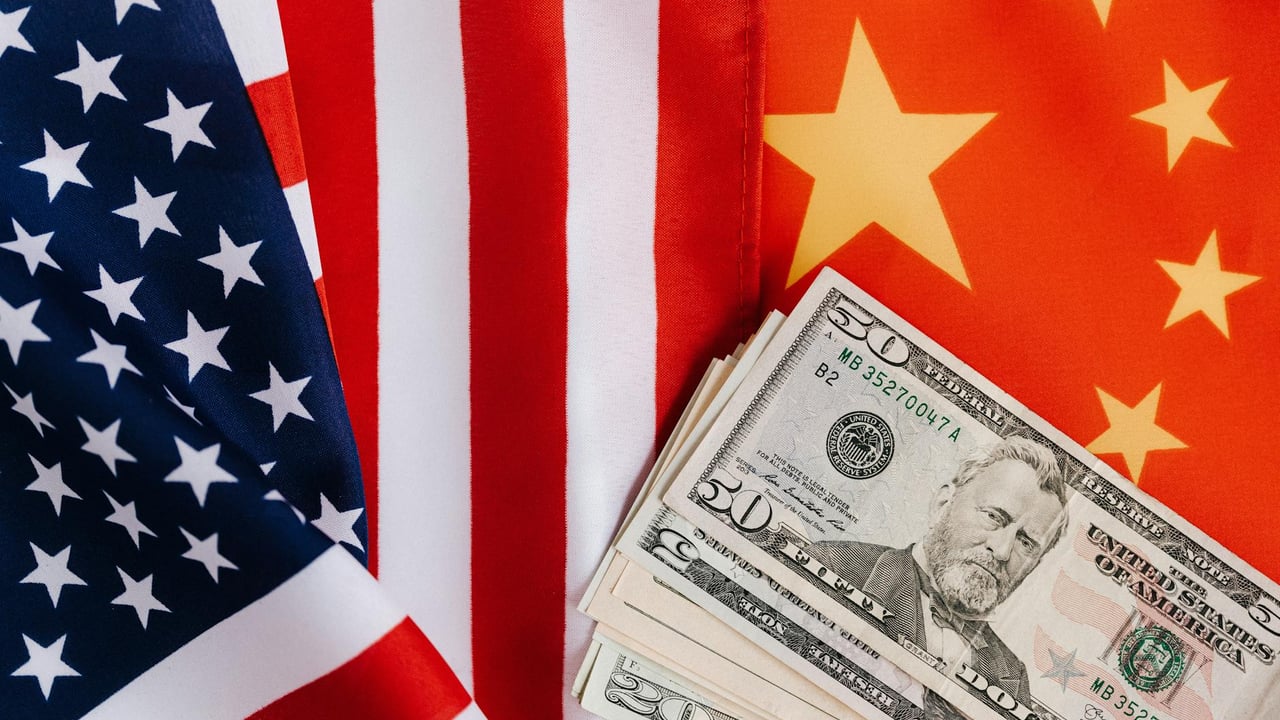
From above of United States banknotes placed on national flags of America and China illustrating international trade concept

Key Takeaways

  • 1May PPI rose 3.9% year-on-year, the highest level in nearly four years, driven by coal, metals, and oil-related industries.
  • 2CPI growth remained flat at 1.2%, suppressed by a 3.6% drop in vegetable prices and a 1.6% decline in pork prices.
  • 3The 2.7% price 'scissors gap' indicates that manufacturers are absorbing high input costs rather than passing them to consumers.
  • 4Core CPI slowed to 1.1%, highlighting a persistent 'strong supply, weak demand' characteristic in the domestic market.
  • 5Geopolitical tensions in the Middle East remain the primary external risk for domestic energy prices and input inflation for the rest of 2026.

Editor's
Desk

Strategic Analysis

The divergence between PPI and CPI is a clear symptom of China's current structural malaise: an over-emphasis on production capacity paired with anemic household consumption. While Beijing's 'anti-involution' policies aim to curb overcapacity in traditional industries, the fundamental problem remains that the Chinese consumer is not yet ready to take the baton. If the cost squeeze on manufacturers leads to wage stagnation or reduced hiring, China risks entering a negative feedback loop where industrial stress further suppresses the very consumer demand needed to fix the economy. The 'scissors gap' is not just a statistical quirk; it is a barometer of the mounting pressure on the private sector's ability to survive in a low-margin environment.

China Daily Brief Editorial
Strategic Insight
China Daily Brief

China’s latest inflation data reveals a deepening divide between its industrial engine and the household kitchen. In May, the Producer Price Index (PPI) surged to a 46-month high of 3.9%, while the Consumer Price Index (CPI) remained anchored at a modest 1.2% by falling food prices and tepid domestic demand. This widening divergence highlights a persistent structural imbalance in the world's second-largest economy.

The widening "scissors gap" between these two indicators—now at 2.7 percentage points—signals a growing crisis for Chinese manufacturers. Upstream costs for raw materials like coal, non-ferrous metals, and oil are skyrocketing, but fierce competition and cautious consumer spending prevent these costs from being passed downstream. Consequently, mid-stream and downstream firms are seeing their profit margins crushed from both sides.

For the average citizen, the "grocery basket" remains affordable, providing a superficial sense of stability. Seasonal increases in vegetable production and a surplus in the pork market have offset rising costs in other sectors, such as energy and services. While pork prices continue to bottom out, the abundant supply of seasonal greens has led to a 3.6% month-on-month drop in vegetable costs.

However, the industrial sector tells a more volatile story. Significant price hikes in non-ferrous metals and coal reflect both global commodity volatility and the onset of "peak summer" energy demands. These inputs are essential for the high-tech sectors and equipment-upgrading initiatives that Beijing is currently championing, yet the high costs threaten to derail private investment.

Looking ahead, the trajectory of Chinese prices will be dictated by the duration of geopolitical stability in the Middle East and the effectiveness of domestic stimulus. Until the "strong supply, weak demand" imbalance is addressed through more aggressive consumption-side policies, the manufacturing sector will continue to shoulder the heavy burden of imported inflation without the relief of rising retail prices.

Share Article

Related Articles

📰
No related articles found