Beijing’s Balancing Act: China Calls for Restraint Amid Spiraling Middle East Tensions

China's Foreign Ministry has issued an urgent call for de-escalation in the Middle East, emphasizing the need for all parties to "cool down" the current military and political tensions. This move underscores Beijing's ongoing effort to project diplomatic leadership while safeguarding its vital energy interests.

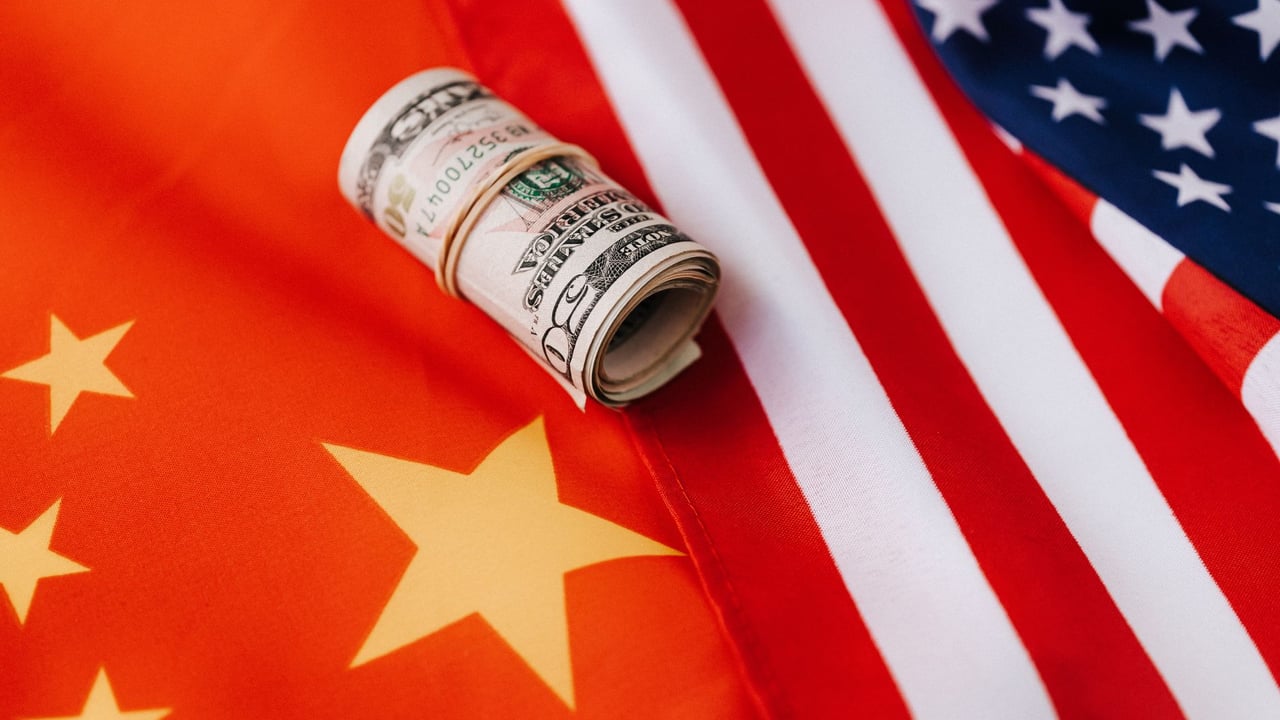
From above of roll of dollar bills tied with rubber band on bright American flag with stars and stripes symbolizing unity and peace

Key Takeaways

  • 1The Chinese Ministry of Foreign Affairs explicitly urged all parties in the Middle East to take practical steps toward de-escalation.
  • 2Beijing's stance reflects deepening concern over the impact of regional instability on global energy markets and supply chains.
  • 3The statement reinforces China's strategic ambition to be viewed as a 'peace-oriented' alternative to traditional Western powers.
  • 4Analysts suggest the rhetoric is part of a broader effort to protect extensive Chinese infrastructure investments in the Gulf and Levant.

Editor's
Desk

Strategic Analysis

China’s diplomatic strategy in the Middle East is fundamentally an exercise in risk management paired with opportunistic branding. While Beijing avoids the heavy-lift military commitments that define U.S. presence in the region, it utilizes these moments of crisis to consolidate its image as a 'rational' actor among Global South nations. The 'so what' lies in the growing disconnect between Beijing's aspirations to lead global security initiatives and its current unwillingness to provide the hard power necessary to enforce the very stability it demands. Moving forward, expect China to continue its path of 'constructive rhetoric' unless its primary energy corridors face an existential, physical threat.

China Daily Brief Editorial
Strategic Insight
China Daily Brief

As the Middle East teeters on the edge of a broader regional conflict, Beijing has once again stepped into the diplomatic fray, urging all involved parties to exercise "earnest" restraint. During a scheduled press briefing in Beijing, Ministry of Foreign Affairs spokespeople Shao Yibo and Dong Xue emphasized the urgent necessity of de-escalating the current situation to prevent a total collapse of regional security.

This latest intervention follows a period of intensifying volatility that threatens to draw in global powers and disrupt critical maritime trade routes. For China, the stakes are notably high, given its status as the world’s largest importer of crude oil and its deepening infrastructure investments across the region under the Belt and Road Initiative.

Beijing’s rhetoric serves a dual purpose: securing its economic interests while positioning itself as a neutral arbiter in contrast to the United States. By calling for a "cooling down," China seeks to portray itself as the responsible global power, championing stability without the historical baggage of Western military interventions.

However, the effectiveness of such diplomatic overtures remains under scrutiny by the international community. While China successfully brokered a rapprochement between Iran and Saudi Arabia in the past, its influence over immediate kinetic escalations remains unproven when compared to its massive economic clout.

Share Article

Related Articles

📰
No related articles found