
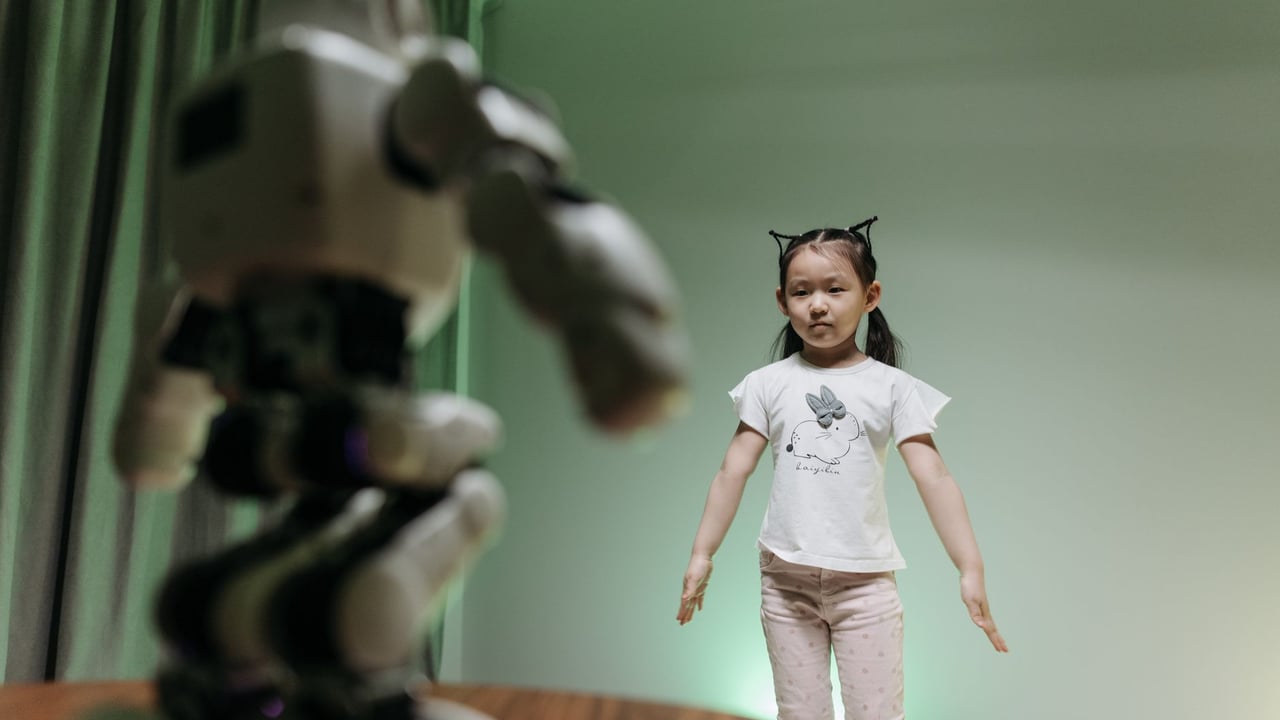

Agibot, the high-profile Chinese robotics firm co-founded by former Huawei 'Genius Youth' Peng Zhihui, has officially launched the Lingxi X2 EDU. Dubbed the 'Everyone Builds' version, this humanoid robot is specifically engineered for the scientific research, engineering training, and competitive robotics sectors. Standing 130cm tall and weighing 35kg, the unit represents a push to transition humanoid technology from experimental labs into standardized educational environments.
Technically, the Lingxi X2 EDU is a sophisticated blend of agility and modularity. It features 29 degrees of freedom, a 7-DOF single arm, and a walking speed of 1.8 meters per second. Powered by the Rockchip RK3588 computing module—a powerhouse in the Chinese domestic chip market—the robot is designed to be highly customizable, supporting the addition of third-party sensors and development boards to suit diverse research needs.
What sets this release apart is Agibot's decision to open its low-level architecture. By providing access to joint control and motion control interfaces, the company is inviting students and researchers to perform secondary development on core algorithms. This move mirrors the 'open-platform' strategies seen in the early days of the smartphone industry, aiming to cultivate a developer ecosystem that can solve the complex challenges of robotic bipedalism and dexterity.
This launch comes at a time when China is aggressively pursuing leadership in the 'humanoid robot + AI' nexus. By seeding these platforms in universities and vocational centers, Agibot is ensuring that the next generation of Chinese engineers is trained specifically on its proprietary stack. This strategy not only accelerates the refinement of their hardware through mass-market feedback but also builds a moat against international competitors who have yet to reach this level of educational penetration.