

In a significant move that redraws the hydrographic reality of the Western Pacific, Beijing has announced the completion of its first comprehensive undersea survey of the waters east of Taiwan. This operation fills a critical data gap in China’s maritime records, providing high-resolution topographic maps of a region previously dominated by international or US-aligned surveys. The mission, involving advanced sonar technologies and deep-sea research vessels, marks a transition from coastal surveillance to a sophisticated understanding of deep-water corridors.
While the Taiwan Strait is notoriously shallow and difficult for large naval vessels to navigate stealthily, the waters off Taiwan’s eastern coast plummet to depths of several thousand meters. This deep-water environment is the primary gateway for the People’s Liberation Army Navy (PLAN) to reach the open Pacific. By securing a detailed map of the seabed, China is not merely conducting scientific research; it is effectively preparing the 'acoustic battlefield' for future maritime operations.
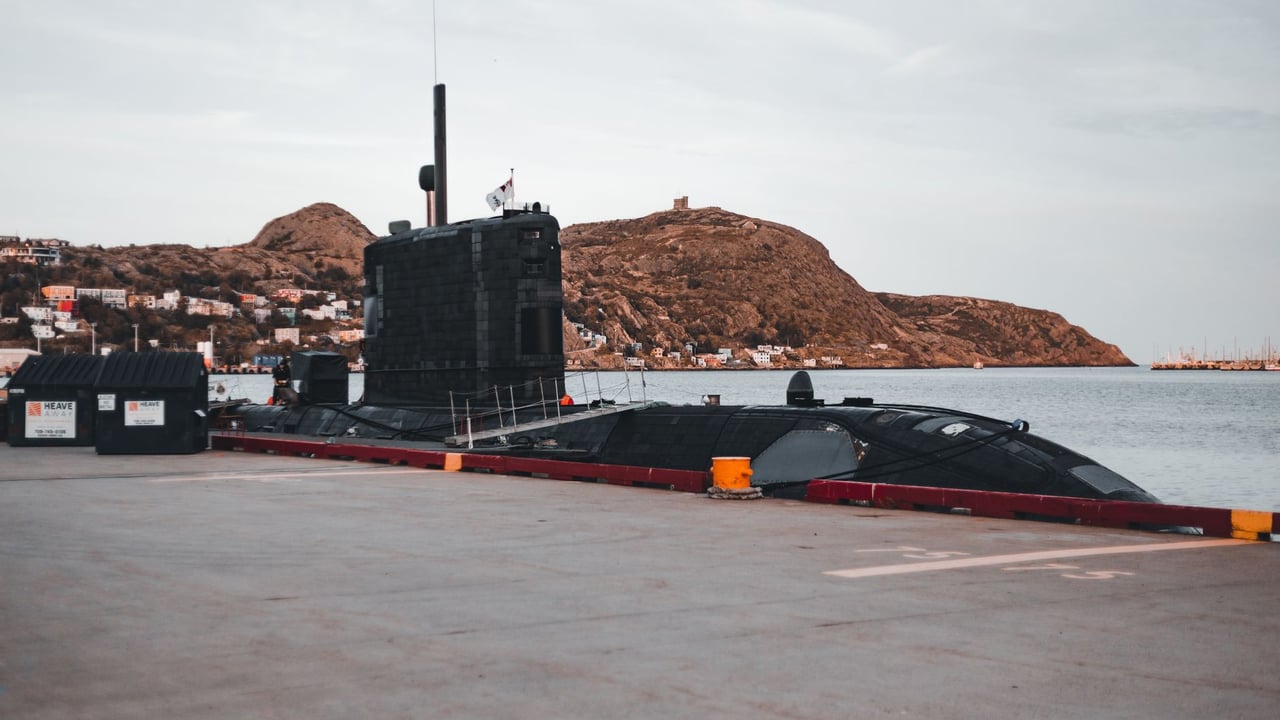
Undersea topography is the cornerstone of modern submarine warfare. Detailed bathymetric data allows submarine commanders to navigate using terrain-matching, reducing the need for active sonar that would reveal their positions. Furthermore, a precise map of the ocean floor is essential for deploying surveillance arrays and understanding how sound propagates through different thermal layers, which is critical for both detecting enemy vessels and hiding one’s own.
This development comes at a time of heightened regional tension and an accelerating arms race in underwater capabilities. By 'completing the puzzle' of the seabed surrounding Taiwan, Beijing is signaling its intent to project power beyond the First Island Chain. The transparency of the deep sea is rapidly vanishing as China develops the digital architecture necessary to challenge decades of American undersea dominance in the Pacific theater.