
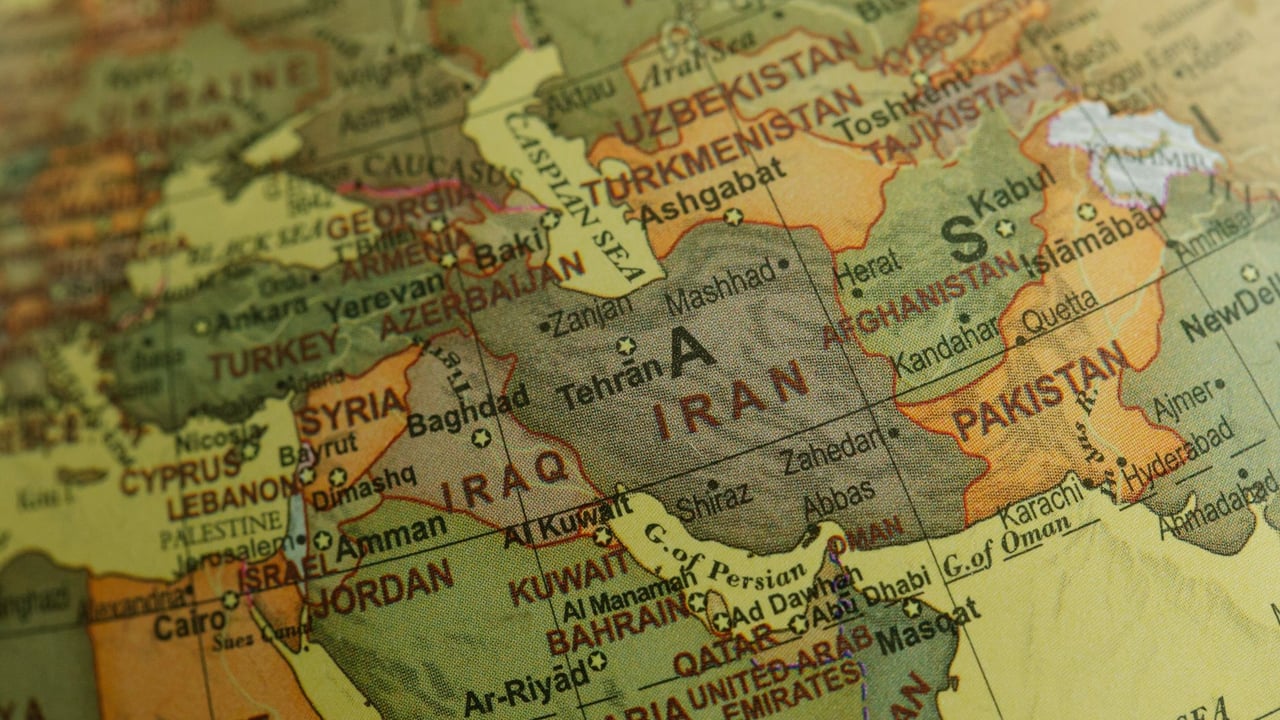

The direct military confrontation between the United States and Iran has entered a volatile new phase following U.S. airstrikes on southern Iranian territory. Tehran’s diplomatic apparatus, led by Foreign Minister Abbas Araghchi, moved swiftly to frame the American intervention as a gross violation of international law and a threat to regional stability. In a series of high-level communications, Araghchi reached out to his counterparts in Saudi Arabia and Turkey to discuss the fallout of the strikes.
Washington reportedly launched the operation in retaliation for the downing of a U.S. Apache helicopter, an incident that Iran has categorized as a pretext for "criminal war-like behavior." By engaging Riyadh and Ankara, Iran is attempting to consolidate a regional consensus against Western military intervention. Tehran is simultaneously asserting its "inherent right" to self-defense under the UN Charter, signaling that it will not back down from direct kinetic engagement.
This military tit-for-tat marks a significant breach of the fragile status quo that has recently governed the Persian Gulf. Iran’s claim of retaliatory strikes against American assets suggests a readiness to bypass traditional proxy warfare in favor of direct state-on-state friction. Such a move significantly heightens the risk of a broader regional conflagration that could draw in surrounding powers despite their recent efforts at de-escalation.
For Tehran, the strategic objective is now twofold: demonstrating military resilience to its domestic audience and ensuring that its neighbors remain neutral or supportive. The invocation of national sovereignty in calls with Saudi Arabia is particularly notable, as it tests the durability of the recent China-brokered rapprochement between Riyadh and Tehran. By positioning itself as the victim of external aggression, Iran hopes to complicate the diplomatic landscape for the United States on the global stage.