
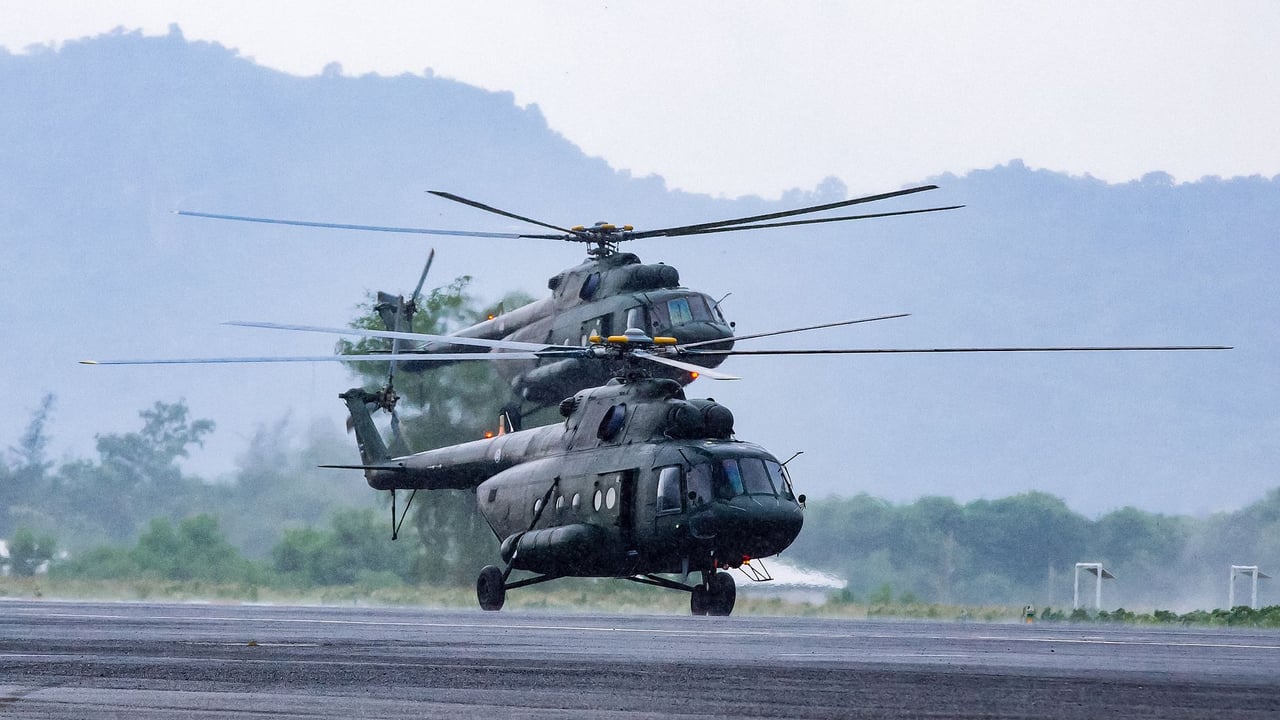

The crash of a Pakistan Army Aviation helicopter near Muzaffarabad on Wednesday serves as a somber reminder of the unforgiving operational environment in Pakistan-administered Kashmir. Military officials confirmed that the aircraft went down shortly after takeoff, resulting in the loss of all personnel on board. While the Inter-Services Public Relations (ISPR) attributed the incident to a technical malfunction, the loss reverberates through a military establishment that remains the backbone of the nation’s security architecture.
Muzaffarabad, the capital of Pakistan-administered Kashmir, is not merely a regional administrative hub but a critical nodal point for military logistics and surveillance. In this rugged terrain, aviation assets are indispensable for moving troops and supplies where roads are often treacherous or nonexistent. Any interruption in these capabilities, particularly through attrition or accidents, forces a recalibration of how the military maintains its presence along the Line of Control.
This incident occurs at a time when the Pakistani military is under pressure to modernize its fleet while managing significant economic constraints at home. The aging nature of many rotary-wing assets across the developing world often leads to a higher frequency of technical failures under the stress of high-altitude operations. As investigations into the wreckage begin, the focus will likely shift to the sustainability of current maintenance protocols and the procurement of more resilient, modern platforms.
Beyond the immediate tactical loss, the crash underscores the human cost of maintaining a high state of readiness in one of the world's most militarized regions. The psychological impact on the Army Aviation corps is significant, as these pilots and technicians operate in a theater where the margins for error are razor-thin. For Islamabad, the tragedy is a moment of national mourning that simultaneously highlights the precarious balance of power in the volatile Kashmiri highlands.