
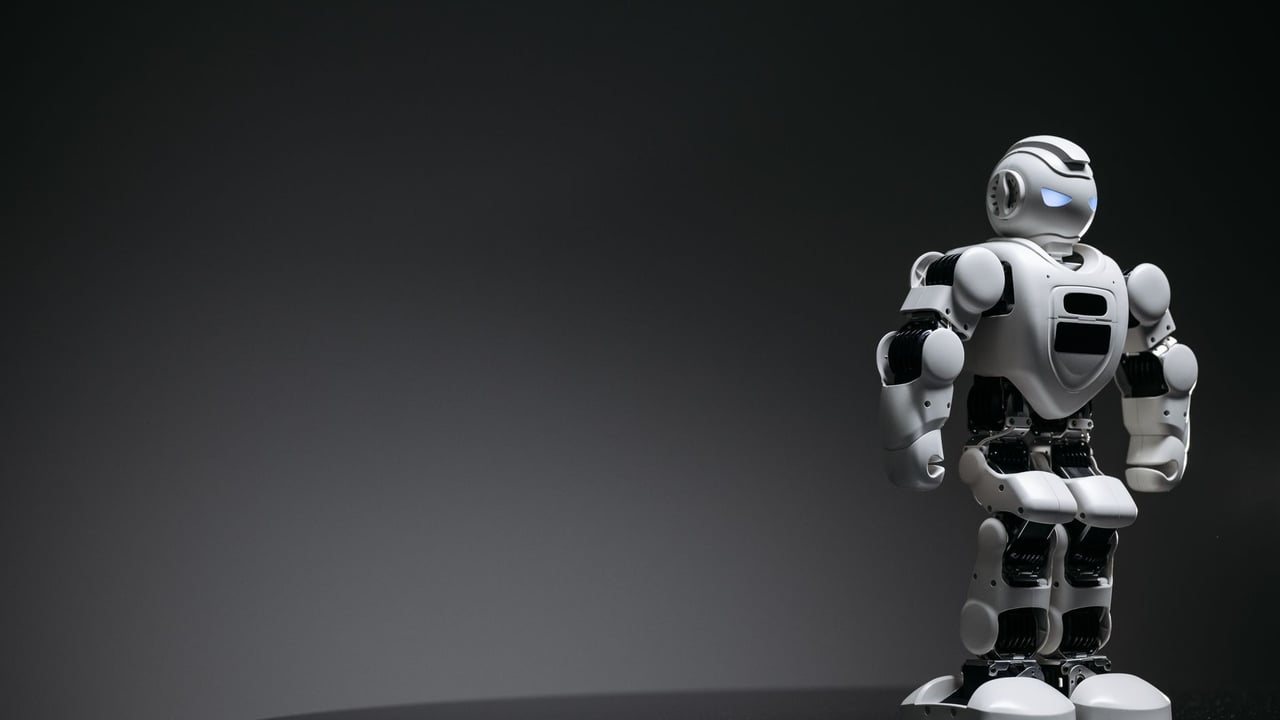

The global race for 'Physical AI' has entered a high-stakes new phase as German robotics firm Neura Robotics announced a Series C funding round reaching up to $1.4 billion. The investment represents a rare and powerful endorsement of European hardware from a consortium of tech’s most influential players, including Nvidia, Amazon, Qualcomm, and stablecoin issuer Tether. With a post-money valuation now estimated at $7 billion, Neura is being positioned as a primary challenger to the humanoid dominance of American and Chinese firms.
Neura’s strategy revolves around the concept of multi-purpose cognitive robotics, a departure from the single-task machines of the past. The company's portfolio spans humanoid robots, precision robotic arms, and autonomous mobile units designed to work alongside humans in real-world environments. CEO David Reger’s vision is clear: the future of artificial intelligence will not be confined to software and screens but will instead be embodied in machines that can move, learn, and interact with the physical world.
The inclusion of industrial heavyweights like Bosch and Schaeffler, alongside the European Investment Bank, underscores the strategic importance of this venture for the continent’s industrial base. By securing the backing of Nvidia and Qualcomm, Neura gains more than just capital; it integrates into the essential chip and software ecosystems that serve as the brains of modern robotics. This alignment suggests a move toward a unified 'Physical AI' platform that could standardize how machines navigate complex human workspaces.
While the total $1.4 billion is contingent on meeting specific performance milestones, the sheer scale of the commitment highlights a massive shift in investor sentiment. Venture capital is increasingly flowing away from pure generative AI and toward embodied systems that can solve labor shortages in manufacturing and logistics. As global investment in robotics hits record highs—surpassing $55 billion in recent years—Neura’s rise signals that Europe is determined to avoid being sidelined in the defining technological competition of the decade.