
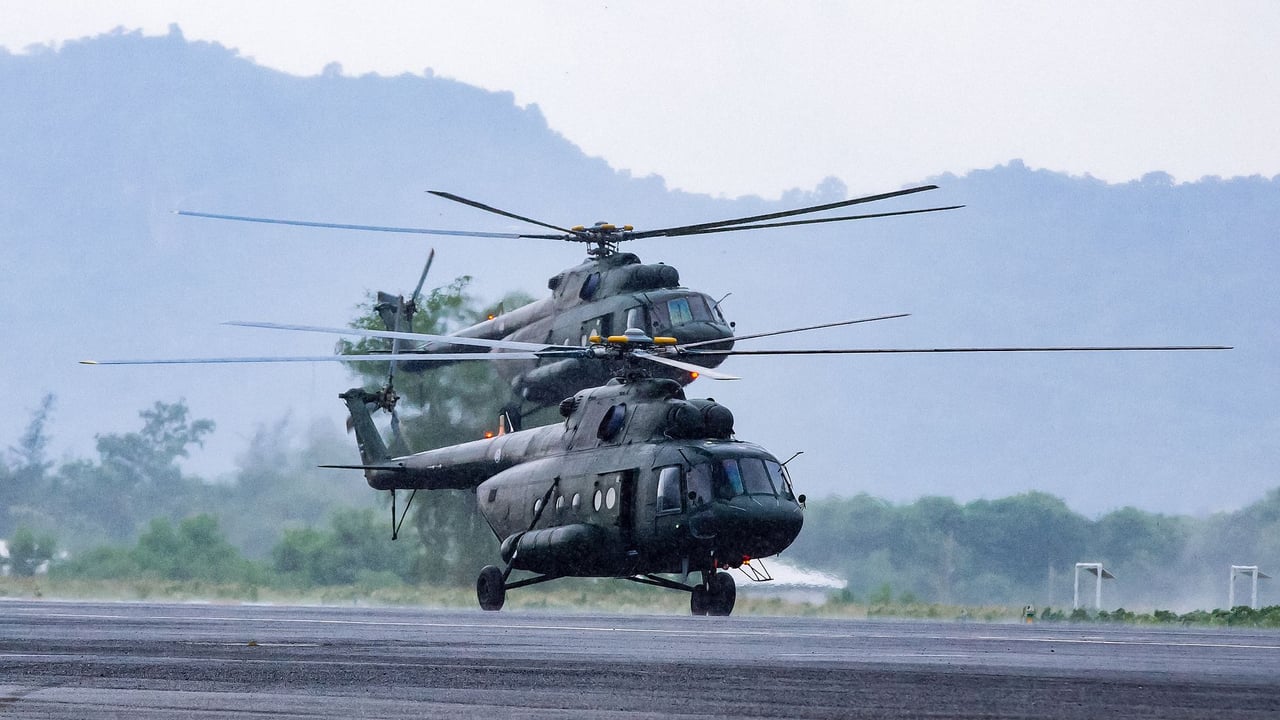

A Pakistani Army Aviation helicopter crashed on June 10 near the city of Muzaffarabad, the administrative capital of Pakistan-administered Kashmir. The aircraft went down shortly after takeoff, resulting in the tragic loss of all personnel on board. While the exact model of the helicopter was not immediately specified, military officials confirmed the site was engulfed in thick smoke following the impact.
According to a statement released by the Inter-Services Public Relations (ISPR), the media wing of the Pakistani military, the crash was caused by a fatal technical failure. This incident occurs in one of the most geographically challenging and geopolitically sensitive regions in the world. The mountainous terrain around Muzaffarabad requires high-performance aviation standards, leaving little room for mechanical error.
The loss is a significant blow to the Army Aviation Corps, which serves as the backbone of logistical support in the disputed Kashmir region. These units are responsible for troop movements, medical evacuations, and supply chains in areas that are often inaccessible by road. Any interruption in these capabilities directly impacts the military’s operational readiness along the Line of Control.
This crash also reignites a long-standing debate regarding the maintenance and modernization of Pakistan’s aging military hardware. Burdened by persistent economic constraints, Islamabad has struggled to balance the high costs of fleet sustainment with the need for modern acquisitions. As technical failures continue to claim lives, the pressure on the military leadership to expedite procurement from partners like China or Turkey is likely to intensify.