
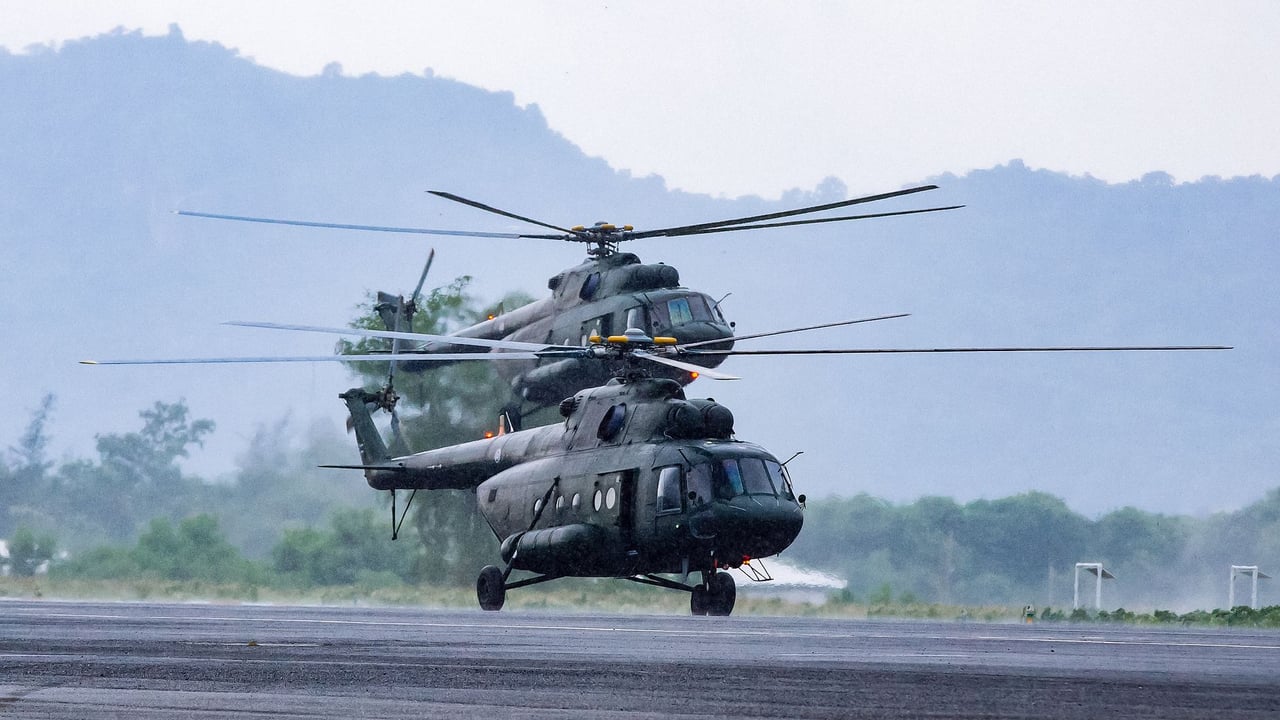

The craggy peaks of Pakistan-controlled Kashmir became the site of a grim military disaster on Wednesday, as an Army Aviation Corps helicopter plummeted to earth shortly after takeoff near Muzaffarabad. The immediate aftermath, captured in stark images of plumes of dark smoke rising against the Himalayan backdrop, underscores the persistent dangers faced by personnel operating in one of the world’s most militarized and geographically unforgiving zones.
While the military has confirmed that all souls on board were lost in the accident, the specific cause remains under investigation. Such incidents frequently highlight the dual pressures of aging airframes and the extreme aerodynamic demands of high-altitude operations that characterize the region. For the Pakistan Army, which relies heavily on its aviation wing for both rapid deployment and critical logistics, the loss of experienced crew is a significant blow to operational readiness.
Muzaffarabad serves as a nerve center for administrative and military coordination in the disputed territory, making any such crash a matter of intense national scrutiny. Beyond the immediate human tragedy, the incident invites a re-evaluation of the safety protocols and modernization efforts within the country’s fleet. As regional tensions remain at a simmer, the reliability of the military's transport infrastructure is paramount to maintaining its defensive posture.