China’s Motor City Pivot: Changchun Enlists Huawei and Tech Titans to Rescue State-Owned FAW

Changchun's draft 15th Five-Year Plan aims to revitalize FAW Group by forcing a deep integration with tech leaders like Huawei and DJI. The strategy focuses on solid-state batteries, AI models, and autonomous driving to save the legacy automaker from obsolescence in the competitive NEV market.

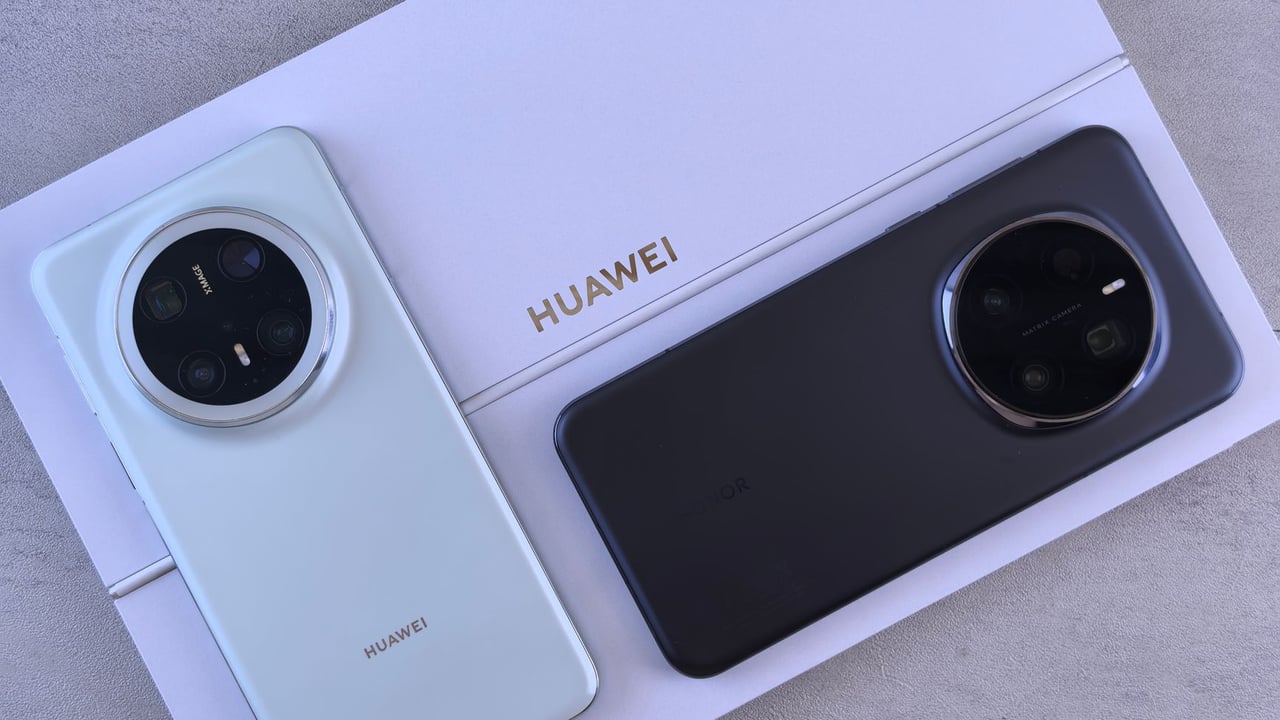
Two smartphones on a Huawei-branded packaging, one white and one black, showcasing modern design.

Key Takeaways

  • 1Changchun city government is targeting a world-class automotive cluster by integrating FAW Group with Huawei, DJI, and Leapmotor.
  • 2The 15th Five-Year Plan emphasizes the industrialization of solid-state batteries and proprietary 'Hongqi 1' automotive chips.
  • 3Strategic focus is shifting toward AI-driven 'smart cockpits' and L3+ autonomous driving capabilities.
  • 4FAW faces significant pressure to reverse declining sales and avoid potential central-government restructuring.
  • 5The plan signifies a broader Chinese trend of 'tech-enablement' for legacy state-owned enterprises (SOEs).

Editor's
Desk

Strategic Analysis

The strategic alignment in Changchun represents a pivotal moment for China’s 'Industrial Heartland.' For decades, FAW relied on joint ventures with Volkswagen and Toyota to maintain its relevance. However, as the 'software-defined vehicle' becomes the new industry standard, FAW’s traditional advantages are evaporating. By leaning on Huawei and DJI, Changchun is effectively admitting that the competitive edge no longer resides in the factory floor, but in the software stack. This 'Huawei-fication' of state-owned automakers is a double-edged sword: while it provides an immediate tech transfusion, it risks turning historic manufacturers into mere hardware foundries for tech companies. The success of this plan will determine if Changchun remains the 'Detroit of the East' or becomes a cautionary tale of the energy transition.

China Daily Brief Editorial
Strategic Insight
China Daily Brief

Changchun, the rust-belt heart of China’s automotive industry and home to the iconic First Automobile Works (FAW) Group, has unveiled a high-stakes blueprint to safeguard its future in the electric vehicle era. The city’s Bureau of Industry and Information Technology recently released a draft for the '15th Five-Year Plan' (2026–2030), signaling a desperate need to modernize its legacy manufacturing base. The plan centers on an aggressive marriage between state-owned manufacturing and private-sector tech ingenuity.

At the heart of the strategy is a mandate for FAW to deepen its strategic alliances with tech giants, most notably Huawei, DJI, and Leapmotor. By integrating Huawei’s intelligent systems and DJI’s sensor technology, Changchun aims to transform FAW from a traditional mechanical assembler into a leader of 'intelligent connected vehicles' (ICVs). This pivot is increasingly seen as an existential necessity as domestic sales for traditional internal combustion engines continue to plummet across the country.

The industrial roadmap specifically targets the commercialization of cutting-edge technologies, including all-solid-state batteries and the 'Hongqi 1' multi-domain fusion chip. Furthermore, the city is pushing for the deployment of proprietary AI Large Language Models (LLMs), such as the Sinan and Lingxi systems, to power the next generation of smart cockpits. This focus on high-end semiconductors and software indicates a shift in the regional power dynamic, where the 'soul' of the vehicle is being outsourced to Shenzhen-based tech firms.

However, the ambitious plan arrives against a backdrop of mounting pressure. Despite its historical prestige, FAW has struggled to replicate its combustion-era dominance in the hyper-competitive new energy vehicle (NEV) market, currently led by BYD and Tesla. Local officials have hinted that if these technological integrations fail to revitalize production and sales, the state-owned giant could face the looming threat of central government-led strategic restructuring, a euphemism for consolidation or downsizing.

Share Article

Related Articles

📰
No related articles found