Cross-Border Escalation: US and Iran Trade Direct Blows in Dangerous Regional Shift

The United States launched direct strikes on 20 targets inside Iran following the downing of a U.S. helicopter, sparking immediate Iranian drone and missile counter-attacks against U.S. bases in Bahrain and Jordan. This escalation marks a significant shift toward direct state-on-state conflict in the Middle East.

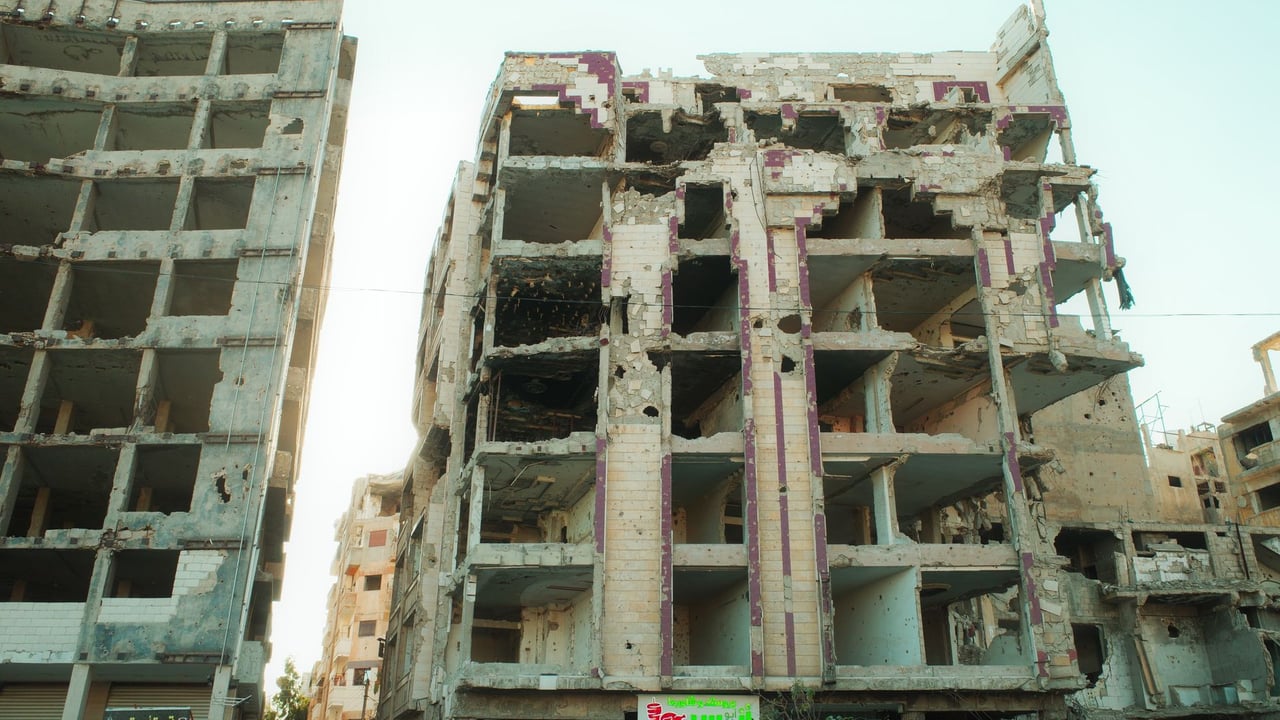
Rubble and decay of a war-damaged building in Homs, Syria, highlighting urban devastation.

Key Takeaways

  • 1U.S. forces struck 20 high-value targets within Iranian borders as retaliation for a downed helicopter.
  • 2Iran responded with drone strikes on the U.S. Fifth Fleet in Bahrain and missile attacks on bases in Jordan.
  • 3The IRGC claims to have intercepted and destroyed a U.S. MQ-9 Reaper drone over Bushehr.
  • 4The conflict has transitioned from proxy warfare to direct, cross-border military engagement between Washington and Tehran.

Editor's
Desk

Strategic Analysis

This direct exchange represents a catastrophic failure of conventional deterrence and a transition into a 'hot' regional war. For years, both Washington and Tehran operated through intermediaries to avoid the political and military costs of direct strikes; however, the U.S. decision to hit 20 targets inside Iran—not just proxy sites in Iraq or Syria—shatters long-standing red lines. Iran’s multi-axis response targeting Bahrain and Jordan suggests a strategy of 'horizontal escalation,' aimed at making the cost of American intervention unsustainable for both the U.S. and its regional hosts. The limited U.S. carrier presence suggests a potential intelligence or strategic miscalculation regarding Iran's readiness to retaliate immediately and forcefully.

China Daily Brief Editorial
Strategic Insight
China Daily Brief

The precarious stability of the Middle East has fractured further as the United States and Iran moved from proxy shadow-boxing to direct kinetic confrontation. In a massive escalation, U.S. forces conducted precision strikes against 20 targets inside Iranian territory on June 9, 2026. This operation, described by U.S. Central Command as a 'self-defense' measure, was launched in retaliatory response to the downing of an American attack helicopter just one day prior.

While CENTCOM officials have stated the specific strike package is complete, they emphasized that the situation remains 'dynamic,' with American forces positioned to respond to further aggression. Currently, the U.S. naval presence in the region is anchored by a single aircraft carrier task force. This limited footprint is being tested as Tehran shows no signs of backing down from the high-stakes exchange.

Tehran’s response was swift and geographically broad, signaling a prepared contingency for direct conflict. The Islamic Revolutionary Guard Corps (IRGC) claimed responsibility for a drone swarm attack targeting the U.S. Fifth Fleet facilities in Bahrain. This move directly threatens one of the most critical maritime security hubs in the world and demonstrates Iran's willingness to expand the theater of operations beyond its own borders.

Simultaneously, the IRGC reported missile strikes against U.S. military installations in Jordan and the successful destruction of an MQ-9 'Reaper' drone over Bushehr province. The Khatam al-Anbiya Central Headquarters described these actions as a 'crushing blow' against American aggression. By targeting assets in Bahrain and Jordan, Iran is effectively testing the resolve of U.S. regional allies and the durability of the American security umbrella.

Share Article

Related Articles

📰
No related articles found