Beijing Warns of 'Historical Torrents' as Taipei Seeks Deeper US Military Alignment

China's Defense Ministry has dismissed Taiwan's efforts to strengthen military ties with the U.S., warning that seeking independence through foreign aid is a 'doomed plot.' Beijing asserts that regional stability depends on recognizing its claim over Taiwan and suggests that the U.S. is becoming more cautious of China's red lines.

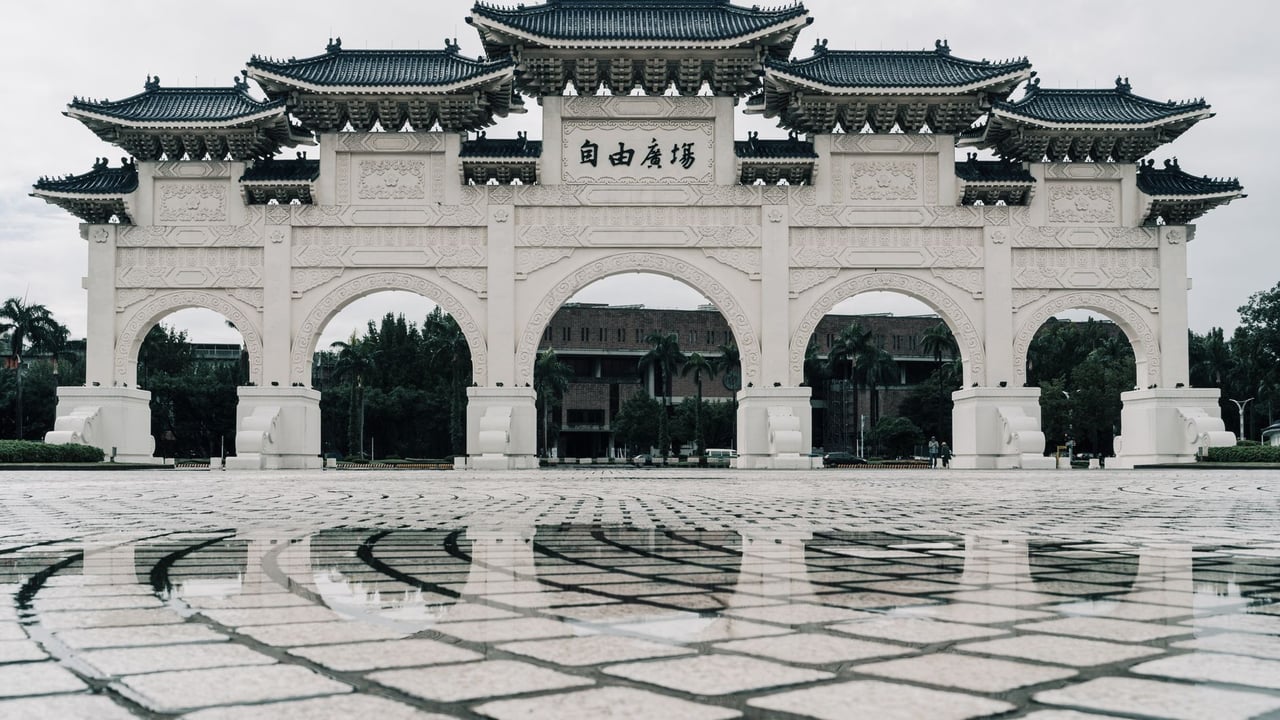
Majestic Liberty Square Archway in Taipei captured on a serene day reflecting its grand architecture.

Key Takeaways

  • 1Beijing characterizes the 'Taiwan independence' movement as the primary threat to regional peace and stability.
  • 2The Chinese Ministry of National Defense maintains that the unification of the mainland and Taiwan is an inevitable historical outcome.
  • 3Senior Colonel Zhang Xiaogang suggested that the U.S. is showing increased awareness and respect for China’s stance on the Taiwan issue.
  • 4China explicitly rejected Taipei's strategy of 'relying on foreign powers' and 'seeking independence through force.'
  • 5The rhetoric follows the Shangri-La Dialogue, where U.S.-Taiwan military cooperation was a central, if sometimes unspoken, point of tension.

Editor's
Desk

Strategic Analysis

Beijing’s latest rhetoric reflects a sophisticated 'wedge strategy' aimed at the U.S.-Taiwan relationship. By claiming that Washington is starting to 'understand and value' China's concerns, Beijing is attempting to sow doubt in Taipei about the reliability of American support. The use of the phrase 'maximum common denominator' to describe U.S.-China stability suggests that Beijing wants to frame Taiwan not as a partner for the West, but as a liability that threatens the broader global order. This shift from purely aggressive threats to a narrative of 'inevitability' indicates a long-term psychological warfare strategy intended to demoralize pro-independence factions while portraying China as the more 'rational' actor in the eyes of the international community.

China Daily Brief Editorial
Strategic Insight
China Daily Brief

Following the conclusion of the high-profile Shangri-La Dialogue, Beijing has issued a stern warning against what it perceives as an intensifying military nexus between Taipei and Washington. China’s Ministry of National Defense dismissed recent optimistic statements from Taiwanese defense officials regarding their security partnership with the United States, labeling any pursuit of independence through foreign support or military buildup as a doomed venture.

Senior Colonel Zhang Xiaogang, a spokesperson for the Ministry, utilized particularly sharp rhetoric to characterize the current state of cross-strait relations. He asserted that the push for Taiwan’s independence is fundamentally incompatible with regional peace. By framing the unification of China as an "unstoppable historical trend," Zhang signaled that Beijing’s patience for external interference is reaching a critical threshold.

The exchange follows a period of intense scrutiny over U.S. diplomatic language. While the U.S. Secretary of Defense did not explicitly highlight Taiwan in his keynote address at the Singapore summit, Taipei’s defense establishment interpreted the omission as a sign of a stable, quiet, yet deepening operational partnership. Beijing, conversely, has framed this lack of explicit mention as evidence that Washington is becoming more attuned to the "red lines" drawn by the People’s Republic of China.

This rhetorical maneuvering highlights the delicate balancing act between the world's two largest powers. Beijing continues to push the narrative that the United States is beginning to internalize China’s core concerns, even as the People’s Liberation Army maintains its assertive posture in the Pacific. The Chinese defense ministry’s latest statement serves as both a domestic reassurance of sovereign strength and a diplomatic warning to the international community that the cost of intervention is rising.

Share Article

Related Articles

📰
No related articles found