Cracking the Cycle: China’s Egg Prices Surge to Decade Highs Amid Supply Squeeze

China is experiencing a dramatic surge in egg prices, with some regions seeing 80% year-on-year increases due to a contraction in laying hen populations. A combination of low replenishment rates in late 2025 and seasonal festival demand has pushed prices to decade-level highs for this time of year.

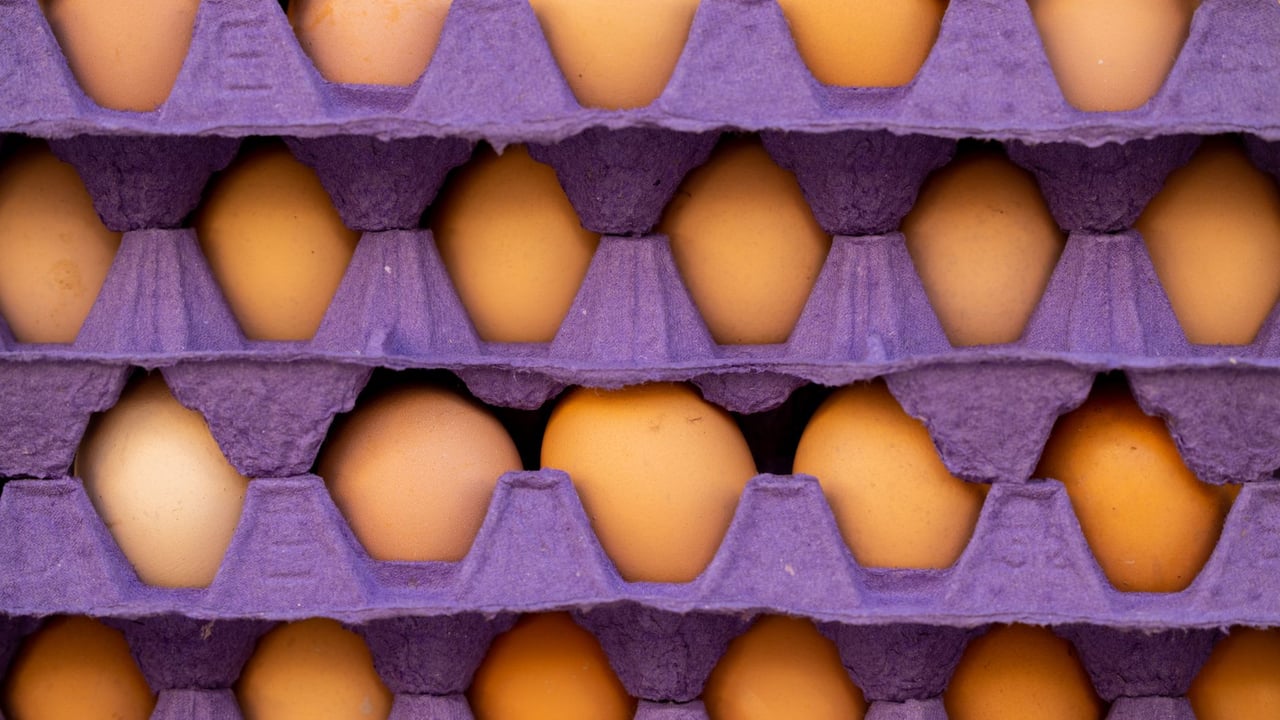
Vibrant brown eggs neatly stacked in purple egg trays for food packaging insight.

Key Takeaways

  • 1National wholesale egg prices have risen for six consecutive weeks, surpassing 5 yuan per jin.
  • 2The population of laying hens in China fell by 4.12% year-on-year as of May 2026 following a period of industry-wide losses.
  • 3Inefficient aging flocks and high demand for the Dragon Boat Festival are the primary drivers of the current price volatility.
  • 4Listed poultry companies saw stock price gains as higher margins encouraged farmers to begin restocking chicks.
  • 5Analysts expect prices to stabilize as the rainy season complicates storage and new production cycles begin.

Editor's
Desk

Strategic Analysis

The current 'egg crisis' is a textbook example of the volatility inherent in China's agricultural supply chains, mirroring the infamous 'pork cycle.' While small-scale farming has professionalized, the industry remains highly reactive to price signals, leading to boom-and-bust cycles that complicate the National Development and Reform Commission's (NDRC) efforts to manage CPI inflation. The 80% surge suggests that despite improvements in cold-chain logistics mentioned by industry insiders, the market still lacks the strategic reserves necessary to buffer against minor fluctuations in chick replenishment. For global observers, this serves as a reminder that food security in China is not just about grain volumes, but about the precarious stability of protein supply chains under shifting economic incentives.

China Daily Brief Editorial
Strategic Insight
China Daily Brief

For Chinese consumers, the humble egg has recently become a luxury. Wholesale prices have skyrocketed by nearly 80% year-on-year in some major markets, with the national average price for eggs surging past the 5 yuan per jin (500g) mark. In Beijing’s Xinfadi market, the country’s premier agricultural hub, prices reached 5.5 yuan in early June, representing a 26% jump in just thirty days and marking the highest level for this period in five years.

This inflationary spike is particularly surprising because the second quarter is traditionally a low season for egg consumption. However, the current volatility is the result of a classic agricultural production cycle reaching a breaking point. Following a period of oversupply and depressed prices in late 2025, poultry farmers drastically reduced their flocks and slowed the replenishment of chick stocks. This cooling of industry sentiment has now manifested as a severe supply-side contraction, with the population of laying hens falling by over 4% compared to last year.

The supply crunch is exacerbated by the aging demographics of China’s poultry flocks. During the 2025 downturn, many farmers delayed replacing older hens, which are significantly less productive than younger birds. As these aging layers reached the end of their peak efficiency, the total volume of eggs hitting the market plummeted just as demand spiked for the Dragon Boat Festival. This 'supply-demand mismatch' has created a 'tight balance' that speculators have been quick to exploit.

Despite the immediate pain for consumers, the market is already signaling a potential correction. Shares in major listed poultry firms have rallied as high prices incentivize farmers to accelerate the disposal of old hens and restock with high-efficiency chicks. Furthermore, as China enters the humid 'Plum Rain' season, the difficulty of storing eggs without climate-controlled logistics will likely force traders to move stock faster, preventing further hoarding and potentially cooling prices by late summer.

Share Article

Related Articles

📰
No related articles found