
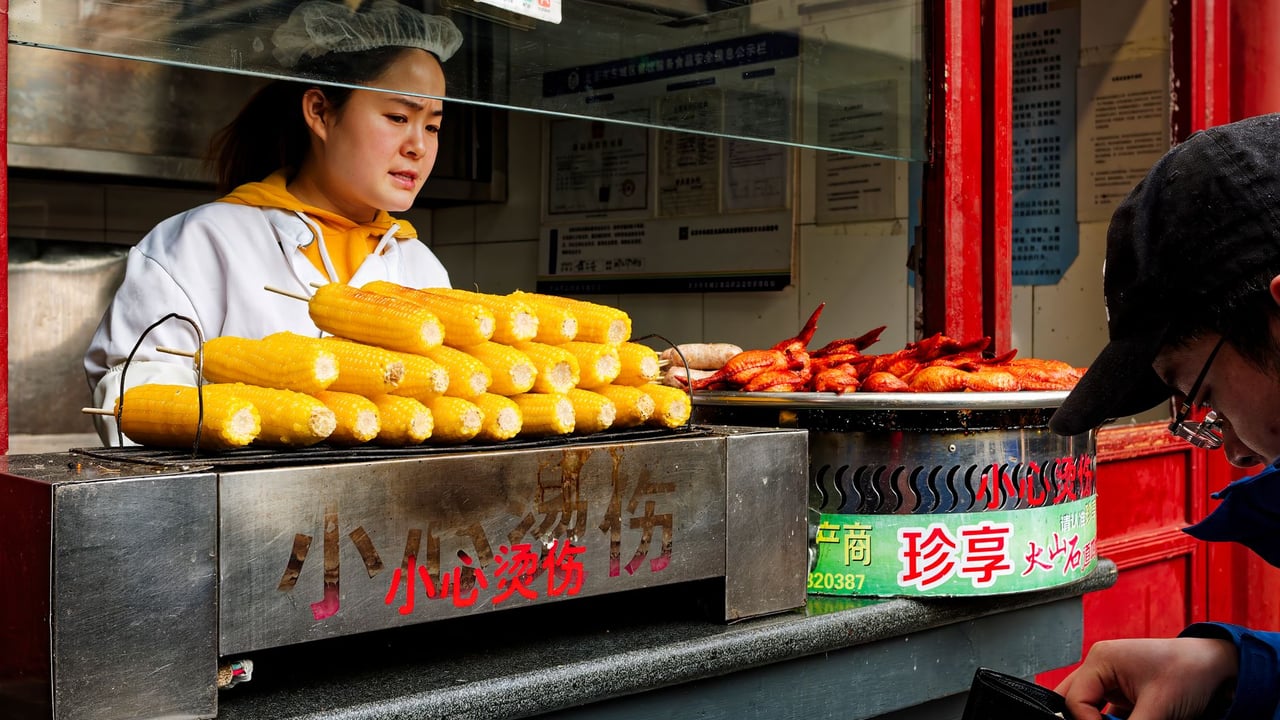

For years, Chen Xiufeng—affectionately known as the 'Goose Leg Auntie'—was the face of a grassroots culinary phenomenon outside China’s elite Tsinghua and Peking Universities. What began as a humble charcoal grill on the back of a tricycle transformed into a viral sensation, with students from rival institutions jokingly 'fighting' for her attention and her sought-after snacks.
By 2024, the business had quietly outgrown its street-stall origins. The 'Auntie' brand had evolved into a sophisticated commercial operation utilizing a 'central kitchen' model, private-traffic WeChat groups with over 100,000 members, and a network of campus delivery agents. This industrialization allowed the brand to serve dozens of campuses across Beijing, reaching as far as 38 kilometers away from its original海淀 (Haidian) base.
However, the veneer of the 'honest, hardworking street vendor' cracked when customers discovered a glaring discrepancy: the goose legs they were buying were actually duck. Following public complaints, investigations revealed that the high-volume operation had been substituting cheaper poultry for the premium product promised. This revelation has triggered a wave of backlash among the very students who once championed her as a symbol of authentic, 'smoky' street culture.
Economically, the substitution was immensely profitable. At wholesale prices, a duck leg costs roughly 2.5 yuan, while a goose leg can cost six times that amount. By selling duck legs for 16 yuan under the guise of goose, the operation potentially generated millions in annual profit, far exceeding the 'small change' Chen claimed she was content with earning. This disparity highlights a growing trend in China where personal IPs are weaponized to mask industrial-scale margins.
For Beijing’s students, the attraction to the Goose Leg Auntie was never just about the food; it was a reaction to the city’s sterile commercial landscape. Beijing is often criticized as a 'food desert' for street life due to strict urban management that leaves little room for independent vendors. This scarcity gave Chen a captive market of nostalgic consumers who were willing to overlook mediocre flavors for a taste of 'yanhuoqi'—the vibrant atmosphere of the street—only to find that atmosphere had been commodified and falsified.