
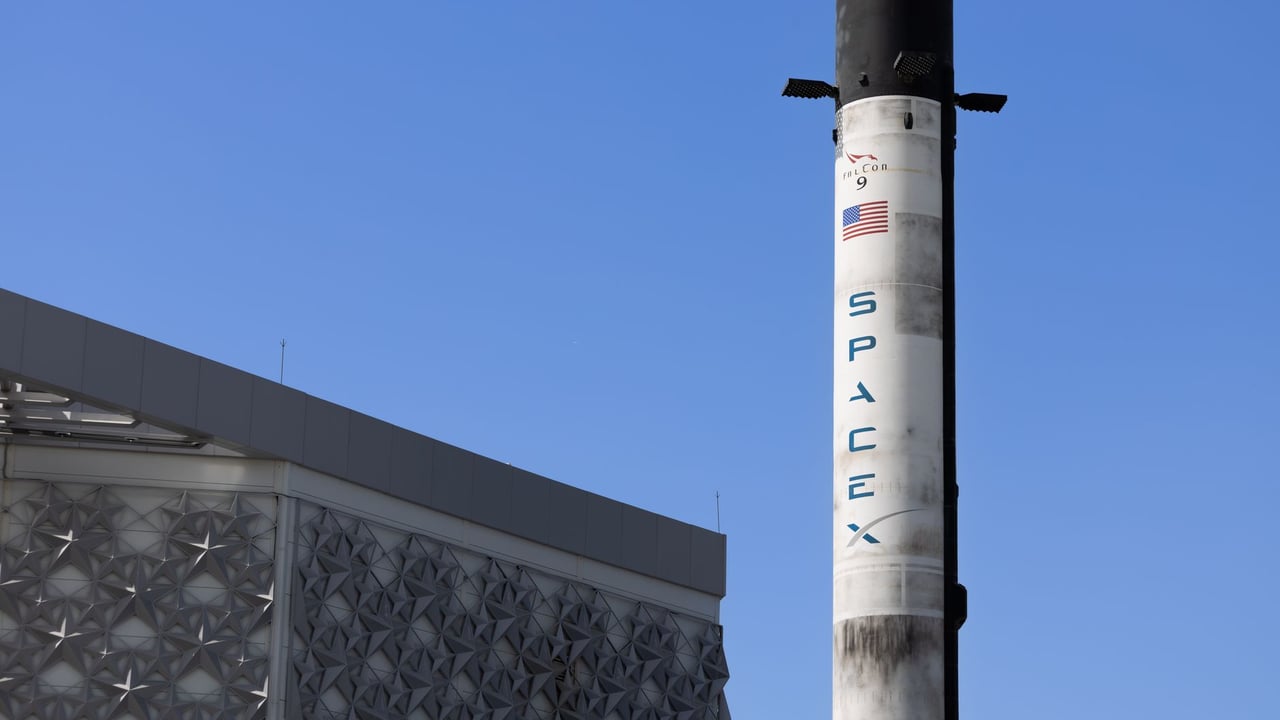

The world is bracing for what Wall Street has dubbed the “Century IPO.” In just two days, SpaceX is scheduled to list on the Nasdaq, targeting a staggering valuation of $1.8 trillion. This figure would catapult the company into the top ten of the most valuable firms in the world, eclipsing even Tesla and setting a new benchmark for the aerospace and technology sectors.
While the demand from investors is reportedly nearly four times the supply, the offering is as much a test of faith as it is a financial transaction. The company aims to raise $750 billion, yet the narrative has shifted from mere rocket launches to a comprehensive integration of space, connectivity, and artificial intelligence. This “Musk Economy” package claims a total addressable market of $28.5 trillion, a figure critics point out is nearly equivalent to the annual GDP of the United States.
The financial reality behind the curtain is more complex than the lofty projections. SpaceX reported a net loss of $4.27 billion in the first quarter of this year, a figure driven almost entirely by the massive capital requirements of its AI division, xAI. While Starlink remains a profitable “cash cow,” its earnings are currently being recycled into the voracious demand for GPUs and supercomputing infrastructure needed to keep the Grok AI model competitive.
Governance remains the most contentious point for institutional investors. Elon Musk retains 85.1% of the voting power, effectively sidelining minority shareholders and ensuring he has total control over the company’s strategic direction. The IPO also bypasses traditional price discovery, with Musk opting for fixed-price subscriptions rather than a negotiated range, betting on the loyalty of retail investors and the passive buying power of index funds.
For the global aerospace industry, particularly in China, this IPO serves as a double-edged sword. While it provides a high-valuation anchor that could boost sentiment for domestic commercial space firms, it also signals a widening technological gap. With $75 billion in fresh capital, SpaceX is poised to accelerate its “flywheel” of rapid iteration for Starship and Starlink, potentially leaving international competitors years behind in the race for orbital dominance.