
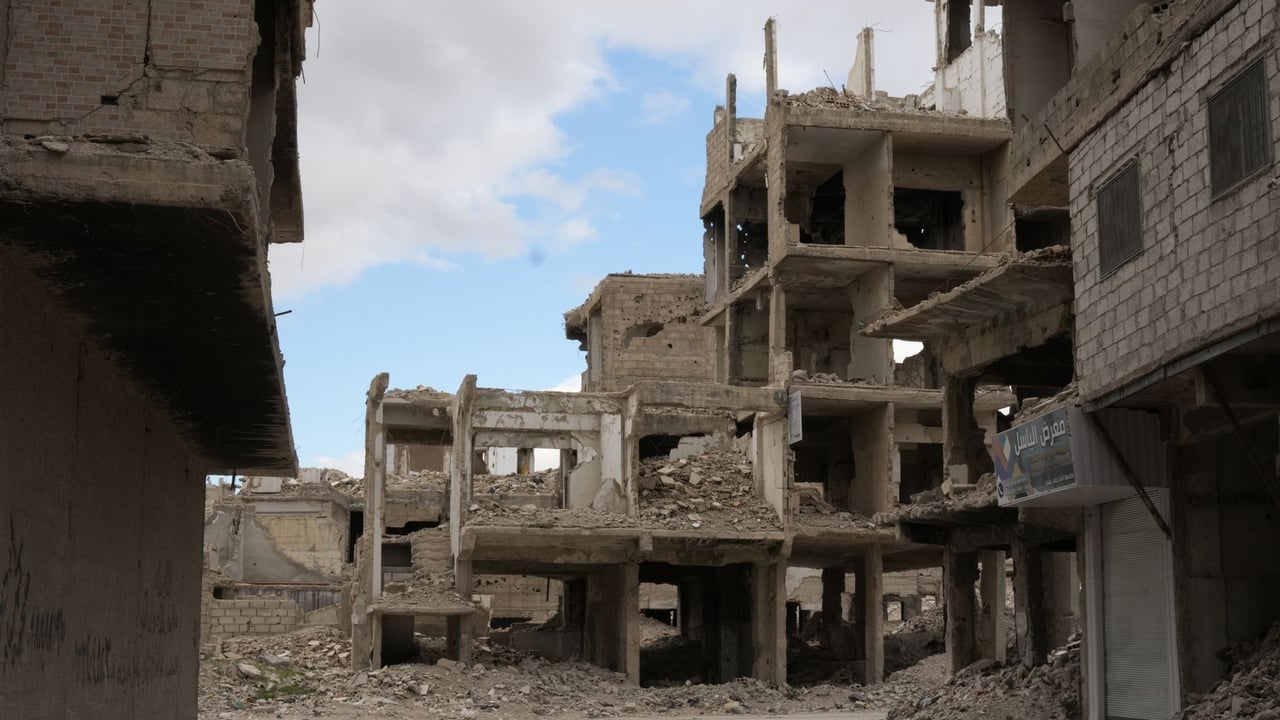

The precarious equilibrium of the Middle East has been shaken once again as the United States and Iran engage in their most significant direct military exchange since the April ceasefire. Following the downing of a U.S. Apache attack helicopter near the Strait of Hormuz, President Donald Trump ordered a four-hour retaliatory strike against twenty targets inside Iranian territory. This escalation highlights the volatility of the region where the lines between deterrence and open warfare have become perilously thin.
While Washington maintains that its strikes on Iranian air defenses and radar stations were a necessary act of self-defense, Tehran has countered with a multi-front drone and missile offensive. Iranian forces targeted U.S. military installations in Bahrain, Jordan, and Kuwait, signaling a shift in their strategic calculus. For Iran, the rapid response is intended to establish a new norm: any American strike will be met with an immediate and proportional counter-attack, effectively ending the era of unpunished intervention.
The timing of this flare-up is particularly damaging to the ongoing diplomatic efforts spearheaded by Qatari mediators. Though negotiators have been working to stabilize the region and reopen the Strait of Hormuz to international shipping, the lack of tangible progress has emboldened hardliners on both sides. President Trump has signaled growing impatience, threatening to expand the target list to include Iranian civilian infrastructure, such as power plants and bridges, if a favorable deal is not reached quickly.
Adding to the complexity is the regional spillover involving third parties. Jordan’s interception of Iranian missiles and the defensive maneuvers by Bahrain and Kuwait underscore how quickly a bilateral spat can draw in neighboring states. With Israel continuing its operations against Hezbollah and maintaining its own pressure on Tehran, the Middle East is currently trapped in a cycle of 'non-peace, non-war' that satisfies no one but risks everything.
Despite the bellicose rhetoric, backchannel diplomacy remains active. A Qatari delegation arrived in Tehran shortly after the strikes, suggesting that neither side is yet ready to commit to a full-scale regional war. However, as both leaders seek to project domestic strength, the window for a face-saving compromise is narrowing, leaving the ceasefire in a state of terminal fragility.