High-Altitude Ambitions: Taiwan’s Wind Tunnel Project Ignites Debate Over Defense Priorities

Taiwan's plan to build a NT$500 million high-altitude parachute simulator has sparked a debate over its strategic necessity and potential redundancy with existing VR systems. The project highlights the ongoing tension between the military's modernization goals and opposition demands for cost-effective, pragmatic defense spending.

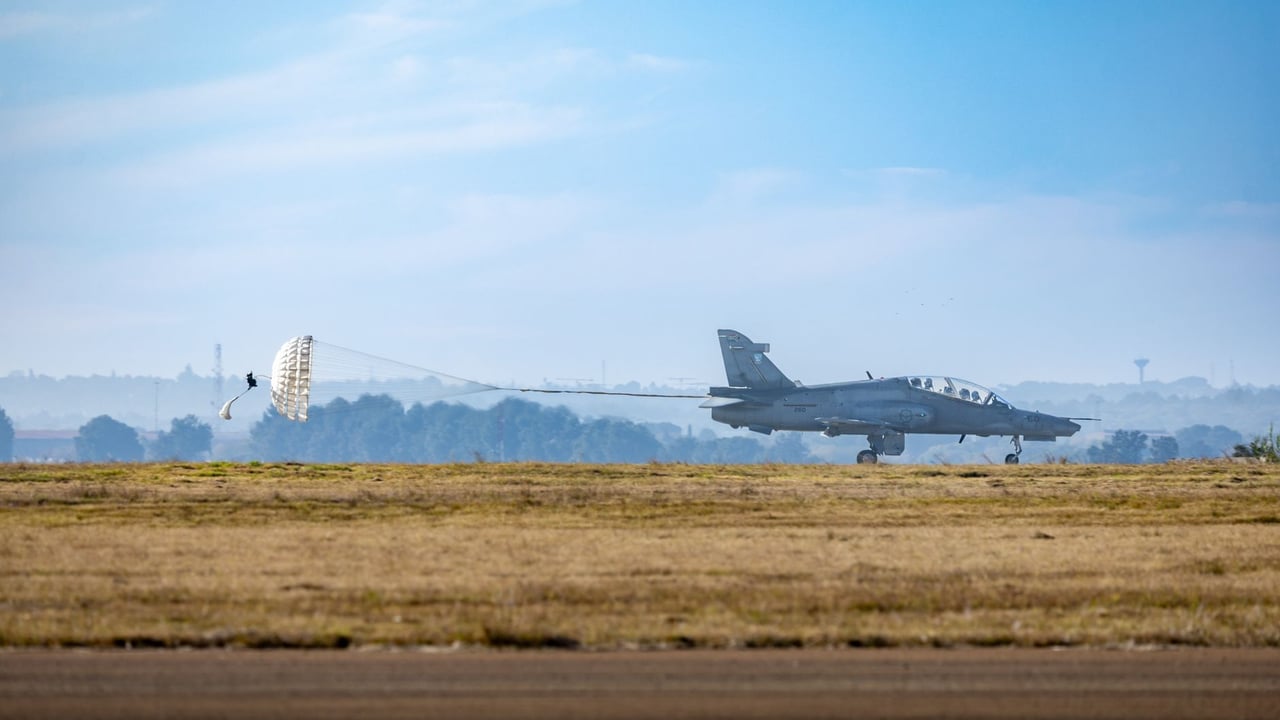
A military jet lands with a parachute deployed on a clear day at the airstrip.

Key Takeaways

  • 1Taiwan's Army has budgeted NT$500 million for a new 'High-Altitude Penetration Parachute Training Simulator' and dedicated facility.
  • 2Opposition lawmaker Ma Wen-chun is challenging the project, citing lack of transparency and questioning its necessity in modern warfare.
  • 3Critics highlight a potential overlap with a previous NT$100 million investment in VR-based parachute training systems.
  • 4The strategic debate centers on whether high-altitude drops are a viable mission profile given Taiwan's likely defensive scenarios.
  • 5Beijing has used the controversy to criticize the DPP administration for 'militarism' and wasting taxpayer funds.

Editor's
Desk

Strategic Analysis

The friction over the parachute simulator reflects a deeper, ongoing debate within Taiwan regarding 'prestige' military projects versus 'asymmetric' defense needs. While elite units require specialized training to maintain parity with global special forces standards, lawmakers are increasingly sensitive to the optics of high-cost facilities that may not directly contribute to a 'porcupine' defense strategy. The challenge for the Ministry of National Defense is to prove that these niche capabilities—specifically high-altitude, low-opening (HALO) jumps—are not just legacy military traditions but are essential for the specific, high-stakes infiltration missions required to sabotage an invading force. As Taiwan's defense budget continues to grow, so too will the domestic political pressure to justify every million spent in the face of a vastly larger adversary.

China Daily Brief Editorial
Strategic Insight
China Daily Brief

Taiwan's Ministry of National Defense is facing intense scrutiny over a planned NT$500 million (US$15.5 million) investment into a high-altitude parachute training simulator and a dedicated facility. Slated for implementation between 2026 and 2028, the project includes a vertical wind tunnel designed to hone the specialized skills of elite special operations forces.

While the military views the facility as a necessary upgrade for "high-altitude infiltration" training, opposition lawmakers are raising red flags over budgetary transparency and strategic relevance. Kuomintang (KMT) legislator Ma Wen-chun has spearheaded the critique, questioning whether such specialized equipment aligns with Taiwan’s actual defensive requirements in a potential cross-strait conflict.

The core of the controversy lies in the feasibility of parachute operations in a modern high-intensity theater. Given the dense air defense environment surrounding the island, the likelihood of large-scale aerial drops from transport aircraft is considered low by many analysts, who argue that rapid deployment via helicopters or localized sea-borne infiltration remains more practical.

Furthermore, the defense ministry previously allocated over NT$100 million for eight VR-based parachute simulation systems at the Dashengxi camp in Pingtung. Critics argue that the new wind tunnel project may represent a redundant expenditure, overlapping with these existing digital training tools without a clear demonstration of incremental combat value or training efficiency.

This internal friction occurs against a backdrop of sharp rhetoric from Beijing. The Taiwan Affairs Office has characterized the spending as a "waste of public resources" intended for political posturing, framing the island’s defense modernization as a futile pursuit that heightens regional tensions rather than ensuring genuine security.

Share Article

Related Articles

📰
No related articles found