

Chinese equity markets faced a day of pronounced volatility as the tech-heavy ChiNext index tumbled more than 1.1%, mirroring a broader retreat across Asian markets. Despite the downward pressure, a sharp divergence emerged as investors pivoted toward state-prioritized sectors, particularly semiconductor materials and high-end manufacturing equipment. This localized rally in 'hard tech' suggests a strategic retreat by domestic capital into segments perceived as vital to China’s national security and technological self-reliance.
The broader market sentiment was dampened by a 'black storm' sweeping through regional exchanges, most notably in South Korea, where the KOSDAQ triggered circuit breakers to halt programmatic selling. While the Shanghai Composite remained relatively resilient with a marginal 0.16% dip, the sheer breadth of the decline—with over 4,000 stocks closing in the red—indicates a significant cooling of retail and institutional enthusiasm. Trading volume on the Shanghai and Shenzhen exchanges contracted by over 67 billion yuan compared to the previous session, totaling 2.55 trillion yuan.
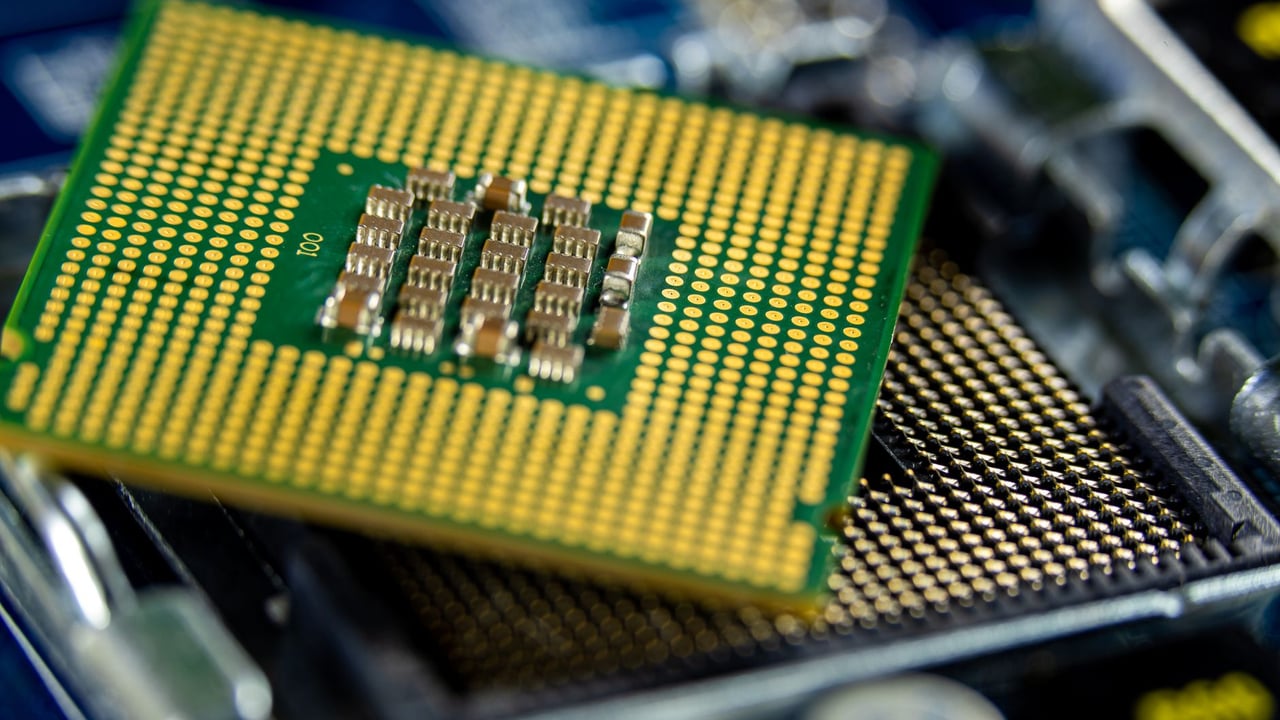
Within the semiconductor ecosystem, the surge was led by firms specializing in photoresists, electronic gases, and target materials—components that are critical bottlenecks in the global supply chain. Companies like Heyuan Gas and Kangqiang Electronics posted multi-day winning streaks, while several firms in the equipment space hit the 20% daily limit. This movement reflects an investor base that is increasingly discounting consumer-facing AI and media platforms in favor of the foundational hardware necessary to circumvent Western export controls.
Conversely, sectors that had previously enjoyed speculative hype faced a brutal correction. The 'Physical AI' and robotics themes, along with the cinema and media sectors, saw several major players hit their floor limits. This rotation underscores a hardening of the investment landscape, where the 'storytelling' phase of the AI boom is giving way to a more pragmatic, resource-heavy focus on industrial chemicals and non-ferrous metals like tungsten and germanium.