

The geopolitical landscape of the Middle East in the summer of 2026 has reached a boiling point, culminating in a hundred days of high-alert friction. On June 8, the silent standoff shattered when Tehran launched a barrage of missiles targeting Israel’s Ramat David Airbase. This escalation represents a significant shift from localized proxy skirmishes to direct, high-stakes kinetic engagement between the two regional powers.
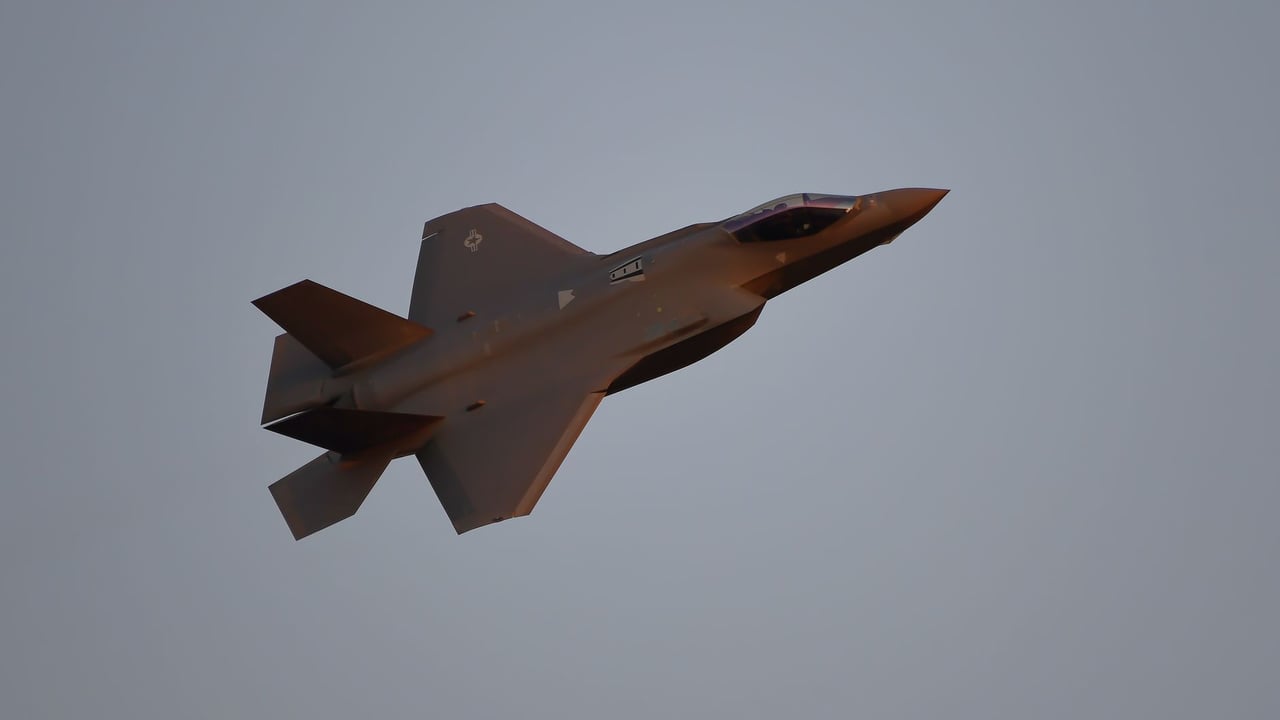
Israel’s response was characteristically swift, deploying F-35 stealth fighters to strike back at Islamic Revolutionary Guard Corps (IRGC) assets and critical petrochemical hubs. The exchange underscored a new era of high-tech warfare where precision and industrial disruption are the primary currencies of power. Despite the intensity of the initial waves, observers noted a peculiar tactical lull as the Israeli Defense Forces appeared to momentarily pivot their strategic focus toward the Lebanese border.
In a move that surprised international analysts, Tehran announced the conclusion of its military operation, dubbed 'Nasr,' less than three hours after Washington signaled its intent to mediate. The IRGC framed this cessation not as a retreat, but as a calculated act of self-defense aimed at maintaining the moral high ground. By framing the strikes as a proportional response to previous Israeli aggression, Iran seeks to avoid the 'aggressor' label while preserving its operational capacity for future leverage.
Behind the scenes, the intervention of the Trump administration has introduced a volatile variable into the traditional US-Israel alliance. Reports suggest a friction point emerged when Israeli leadership moved to strike back without waiting for a coordinated command from the White House. This divergence highlights a growing complexity in the security architecture of the region, where the interests of Washington and Jerusalem are no longer perfectly aligned.
Ultimately, the IRGC’s decision to de-escalate serves a singular existential purpose: the preservation of the regime’s supreme leadership. Tehran is acutely aware that a continued cycle of escalation could provoke Israel into attempting 'decapitation' strikes against the clerical elite. By pulling back at the peak of the tension, Iran has chosen a path of strategic survival, trading short-term military dominance for long-term political stability.