
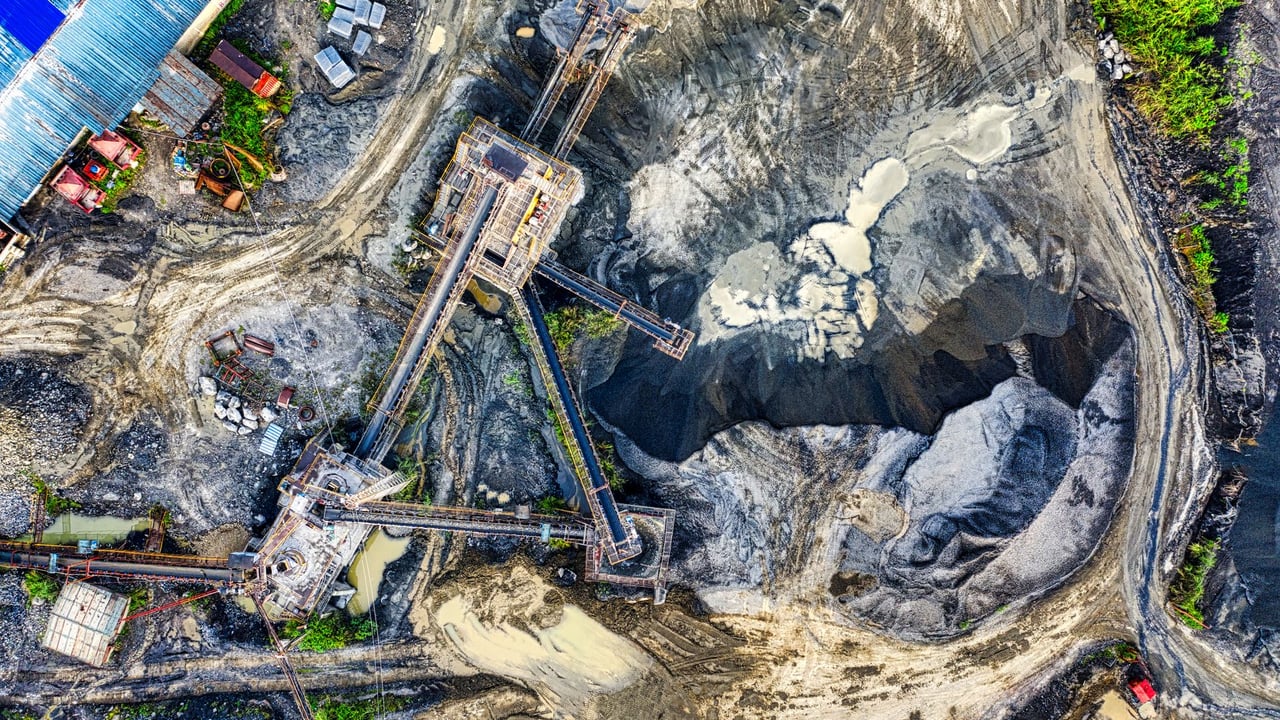

A localized fire at the Greenbushes lithium mine in Western Australia has sent ripples through the global battery supply chain, highlighting the fragility of critical mineral production. Tianqi Lithium, one of China’s 'big two' lithium giants, confirmed that a blaze broke out during maintenance at the Phase 3 chemical-grade lithium concentrate plant. While the company reported no injuries and stated that core production lines remain intact, the incident threatens to delay a critical production ramp-up at one of the world’s most important lithium assets.
The Greenbushes operation, managed by the Talison Lithium joint venture, is often cited as the crown jewel of the global lithium industry due to its high-grade deposits and low cost of production. Any disruption here is viewed with extreme sensitivity by market participants. Following the news, lithium carbonate futures on the Guangzhou Futures Exchange jumped by over 3%, as traders weighed the potential for tightening supply in a market that has recently been defined by extreme price volatility.
For Tianqi Lithium, the timing of the accident is particularly inconvenient. The company is currently riding a wave of financial recovery, reporting a staggering 1,699% year-on-year increase in net profit for the first quarter of 2026. This rebound follows a bruising 2025 where low lithium prices squeezed margins and tested the firm’s debt-heavy balance sheet. The Phase 3 expansion at Greenbushes was intended to be the engine of Tianqi's next growth phase, securing its dominance in the lithium hydroxide supply chain for high-performance electric vehicle batteries.
Beyond the immediate physical damage, the incident underscores the operational risks inherent in the rapid scaling of mining infrastructure. As Western governments and Chinese firms race to secure 'tier-one' assets, the technical challenges of bringing complex chemical-grade plants online remain significant. With Tianqi also facing a potential AUD 170 million tax dispute in Australia, the fire adds another layer of complexity to its overseas operations during a pivotal year for the energy transition.