
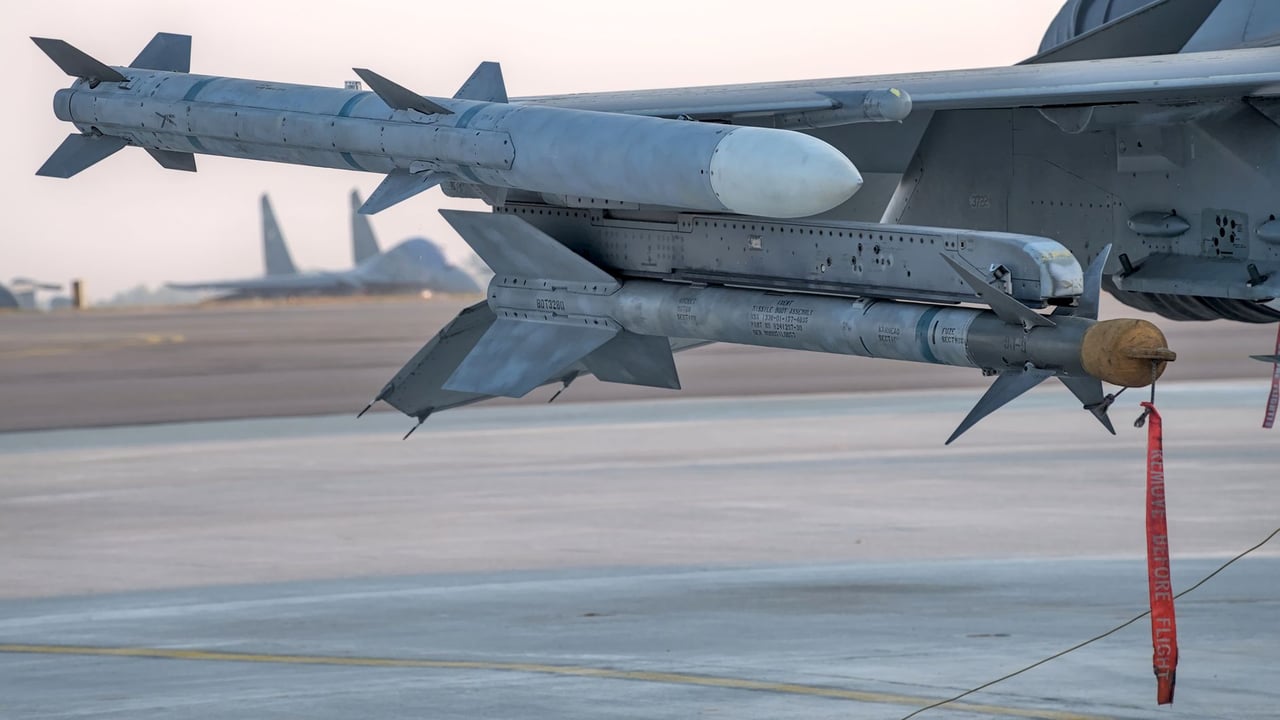

On June 11, 2026, the skies over Jordan’s Zarqa Governorate became a kinetic theater of regional tension as the Royal Jordanian Air Force and ground-based air defense systems successfully intercepted twenty missiles launched from Iran. The operation, centered in the Azraq region northeast of the capital, Amman, marks a significant assertion of Jordanian military capability and a firm warning against the use of its airspace as a corridor for external conflict.
While the Jordanian Armed Forces confirmed that falling debris caused no casualties or significant property damage, the incident underscores the precarious position of the Hashemite Kingdom. Specialized military units are currently combing the impact sites to ensure that remnants of the Iranian hardware do not pose a secondary explosive risk to civilians. The military has since transitioned to its highest state of combat readiness, signaling that this was not merely a defensive maneuver, but a strategic statement.
Jordan has long functioned as a geopolitical buffer in a volatile Levant, maintaining a delicate balance between its security cooperation with Western allies and its domestic sensitivities regarding regional conflicts. By downing these missiles, Amman is reinforcing a 'red line' regarding its territorial integrity. The military’s official statement was unambiguous: Jordan will not permit any party to violate its sovereignty, regardless of the intended target of the ordinance.
This intercept follows a pattern of increasing regional spillover, where non-belligerent states are forced to expend significant military resources to prevent being drawn into broader escalations. The successful neutralization of twenty high-speed targets suggests a high level of technical proficiency and coordination between Jordanian radar networks and its F-16 fleet, likely supported by localized early-warning infrastructure.