Red Tape and Red Cards: How U.S. Border Policy Just Sidelined Somalia’s Historic World Cup Referee

Somali referee Omar Artan has been barred from officiating the 2026 World Cup after being denied entry to the U.S. on security grounds. Despite invitations from Canadian co-hosts, FIFA’s requirement for centralized training in Miami means the U.S. visa rejection effectively disqualifies him from the tournament.

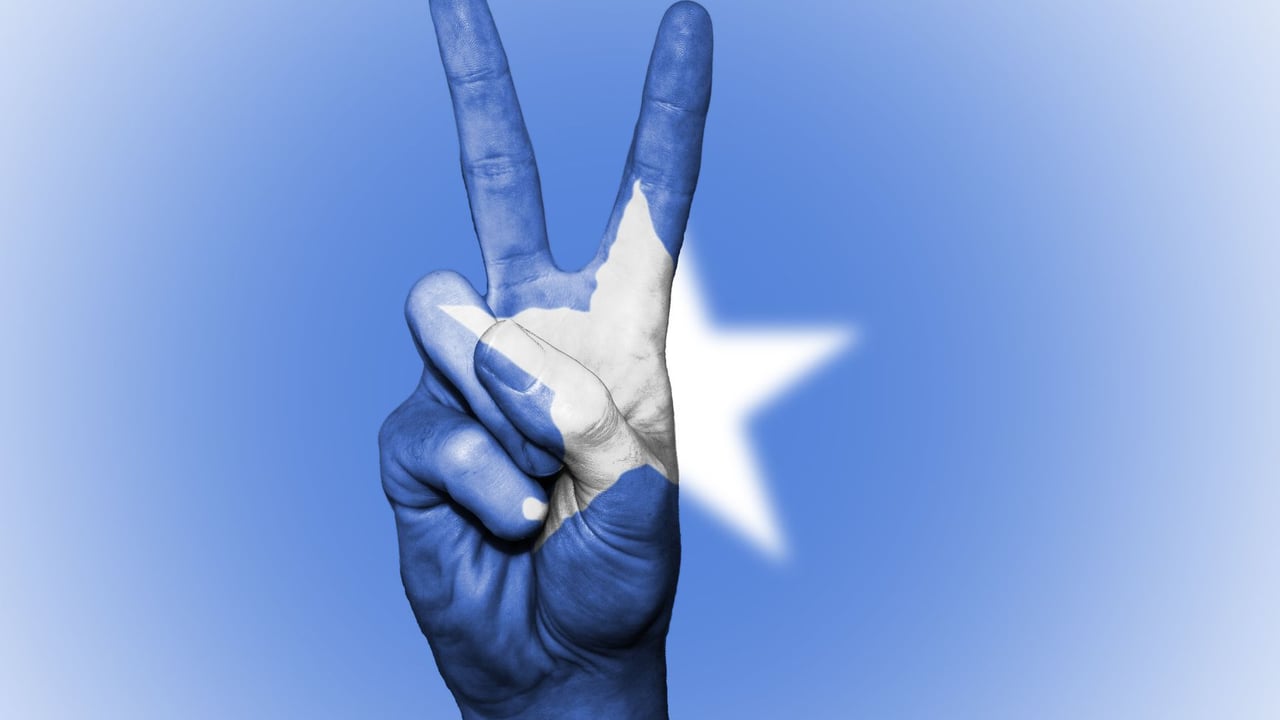
A hand making a peace gesture painted with the Somali flag colors, symbolizing national unity.

Key Takeaways

  • 1Omar Artan was the first Somali referee ever selected for a FIFA World Cup officiating roster.
  • 2U.S. Customs and Border Protection denied Artan entry and detained him for 11 hours despite his FIFA credentials.
  • 3Canadian leaders in Toronto and Vancouver offered to host Artan, highlighting a political split between the co-hosting nations.
  • 4FIFA has officially confirmed Artan's removal from the tournament because he cannot attend mandatory training in Miami.
  • 5The incident raises concerns about how U.S. immigration policy will affect other participants from 'sensitive' regions during the 2026 event.

Editor's
Desk

Strategic Analysis

The exclusion of Omar Artan serves as a canary in the coal mine for the 2026 World Cup's 'United' hosting model. While FIFA promotes a borderless vision of sport, the reality is that national sovereignty and border security remain the ultimate arbiters of participation. By effectively vetoing a Somali official's inclusion, the U.S. has signaled that its unilateral security protocols will not be softened for the sake of sporting diplomacy. This creates a significant risk for the integrity of the tournament; if athletes or officials can be barred based on nationality or opaque security data rather than professional merit, the 'global' nature of the World Cup is compromised. Furthermore, the public disagreement from Canadian officials suggests that the 2026 tournament may be marked by recurring friction over who is allowed to step onto North American soil.

China Daily Brief Editorial
Strategic Insight
China Daily Brief

The 2026 World Cup was envisioned as a seamless, tri-national celebration of global football, yet the case of Omar Artan has highlighted the stark geopolitical friction lurking beneath the surface of the North American bid. Artan, a Somali national and the first referee from his country to be selected for a World Cup, was recently denied entry into the United States. Despite possessing official FIFA documentation and a valid visa, he was reportedly detained for 11 hours at an American airport before being deported, a move that effectively ends his dreams of officiating on the world stage.

While U.S. Customs and Border Protection (CBP) cited unspecified 'security concerns' and eligibility issues for the refusal, the decision has ignited a diplomatic and logistical firestorm. In Mogadishu, Artan returned to a hero’s welcome from government officials and fans, but the sentiment was one of profound disappointment. The incident serves as a grim reminder that even for high-achieving professionals, the weight of one’s passport can often override professional credentials in the eyes of American border enforcement.

The situation has also exposed a rift in the hosting coalition. Canadian officials, including Toronto Mayor Olivia Chow and British Columbia Premier David Eby, were quick to condemn the U.S. decision and extend an invitation for Artan to officiate in Canadian host cities. This public divergence highlights the differing immigration stances of the co-hosts, with Canadian leaders emphasizing an inclusive approach that contrasts sharply with the rigid, security-first posture of their southern neighbor.

However, local Canadian goodwill cannot bypass FIFA’s rigid administrative structure. The governing body of global football requires all selected referees to participate in centralized training and preparatory sessions, which are slated to take place in Miami, Florida. Because Artan cannot enter the United States to attend these mandatory sessions, FIFA has confirmed that he will be unable to participate in the tournament, rendering the Canadian invitation a well-meaning but functionally toothless gesture of solidarity.

Share Article

Related Articles

📰
No related articles found