
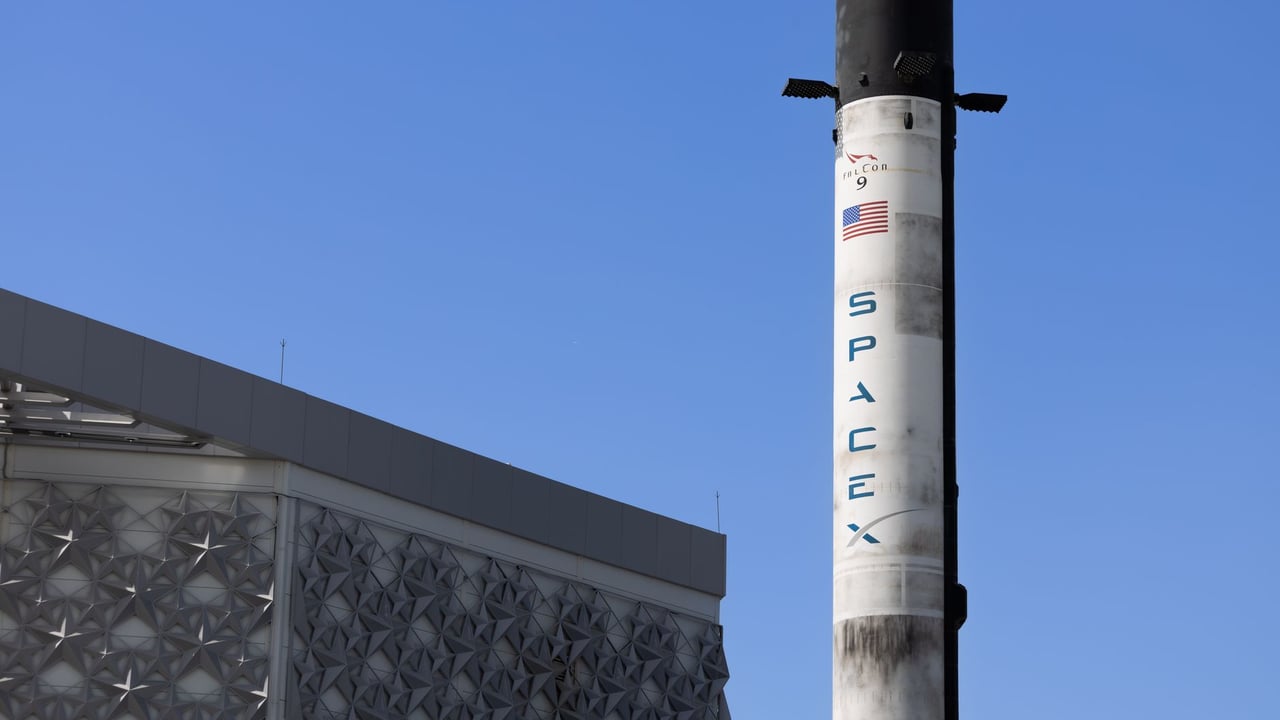

The global technological landscape is approaching a watershed moment as Elon Musk’s SpaceX prepares for what is expected to be the largest initial public offering in history. With a targeted valuation of $1.75 trillion and a subscription demand exceeding supply by fourfold, the company is not merely launching a stock; it is codifying its status as the bedrock of the 21st-century orbital economy. The move is bolstered by unprecedented investment-grade ratings from Moody’s, S&P Global, and Fitch, which will drastically lower debt financing costs and solidify the company’s lead in the race to monopolize satellite communications and deep-space logistics.
Beyond the macroeconomic scale, the IPO is set to create a concentrated surge of private wealth, with projections suggesting that approximately 400 employees could see their net worth surpass $100 million each. This massive liquidity event for Silicon Valley talent underscores the shift in value from traditional software to hardware-intensive, AI-integrated aerospace. The intense market appetite, totaling over $250 billion in subscriptions for a $75 billion raise, reflects a broader investor conviction that space and AI are no longer speculative niches but essential infrastructure for the global future.
While SpaceX dominates international headlines, China is maintaining a relentless tempo in its state-led aerospace and frontier technology sectors. The successful launch of the Communications Technology Test Satellite No. 25 from Wenchang marks the 650th flight of the Long March series, highlighting a maturing domestic capability in high-speed, multi-band satellite communications. This state-driven progress is increasingly supplemented by private-sector innovation in the 'low-altitude economy,' as evidenced by PeakFly’s eVTOL aircraft receiving international airworthiness certification in Indonesia, signaling China’s intent to export its aerial mobility solutions to the Global South.
In the realm of advanced computing and biotechnology, the friction between domestic innovation and global supply constraints remains palpable. Oracle’s disclosure that global GPU utilization has hit a staggering 97.5% confirms that the AI revolution is still gasping for compute power, even as Goldman Sachs predicts a 24-fold increase in token consumption by 2030. China’s response is visible in its push for indigenous Brain-Computer Interface (BCI) technologies and neural research led by figures like Yan Ning, aiming to secure a foothold in the next generation of human-machine interaction before Western standards become insurmountable.