
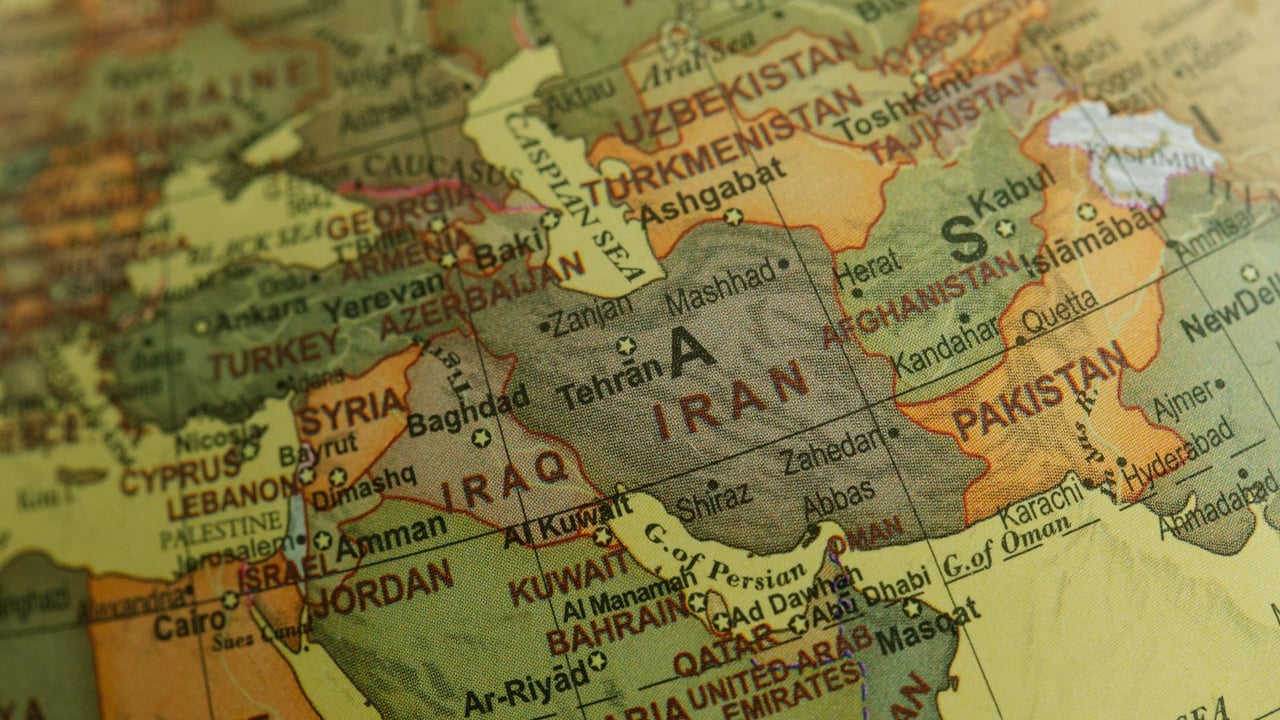

The pre-dawn silence over southern Iran was shattered on June 11 as American missiles struck critical military installations in Minab, Sirik, and the strategic islands of Qeshm and Henjam. U.S. Central Command confirmed the 'self-defense' strikes, targeting air defense systems, radar arrays, and drone command units. This kinetic intervention follows a period of mounting frustration in Washington over Tehran’s perceived stalling in diplomatic channels.
Defense Secretary Pete Hegseth, speaking from Central Command in Tampa, underscored a shift in American posture, explicitly linking military force to diplomatic goals. Hegseth told reporters that the U.S. would not hesitate to use bombs to facilitate negotiations, reflecting President Trump’s directive to hit Iran 'very hard.' The administration appears to be betting that overwhelming force will shatter the current stalemate and compel Tehran to accept a new, more restrictive agreement.
President Trump signaled his readiness to escalate further, indicating he is 'close' to ordering strikes on Iranian civilian infrastructure, including power plants and bridges. While the immediate catalyst was the June 9 downing of a U.S. Apache helicopter in the Strait of Hormuz, the broader motivation is a lack of progress on a new deal. Trump’s 'talk-fight' strategy seeks to restore American leverage that the administration feels has been eroded by months of inconclusive dialogue.
Tehran has met this 'maximum pressure' resurgence with defiant rhetoric and retaliatory strikes on regional U.S. bases. President Masoud Pezeshkian dismissed the threats against Iranian infrastructure as 'desperate acts' rather than displays of strength, while military spokesmen promised a 'more destructive' response than ever before. The Iranian government is currently reeling from a U.S.-led maritime blockade established in April, which they claim has already resulted in the loss of 253 vessels and dozens of lives.
Security analysts suggest that this escalatory cycle is pushing the two nations toward a point of no return where miscalculation becomes inevitable. With neither side showing a willingness to offer substantive concessions, the 'talk-fight' dynamic is increasingly characterized by more fighting and less talking. The prospect of a ceasefire or a comprehensive diplomatic framework appears more remote than at any point since the blockade began.