A Pacific Phalanx: USS Roosevelt Anchors RIMPAC 2026 Amid Shifting Tides

The USS Theodore Roosevelt will lead 31 nations in the RIMPAC 2026 exercise, the world's largest international maritime drill. Set to take place in Hawaii this summer, the maneuvers aim to strengthen multi-national naval cooperation and regional deterrence.

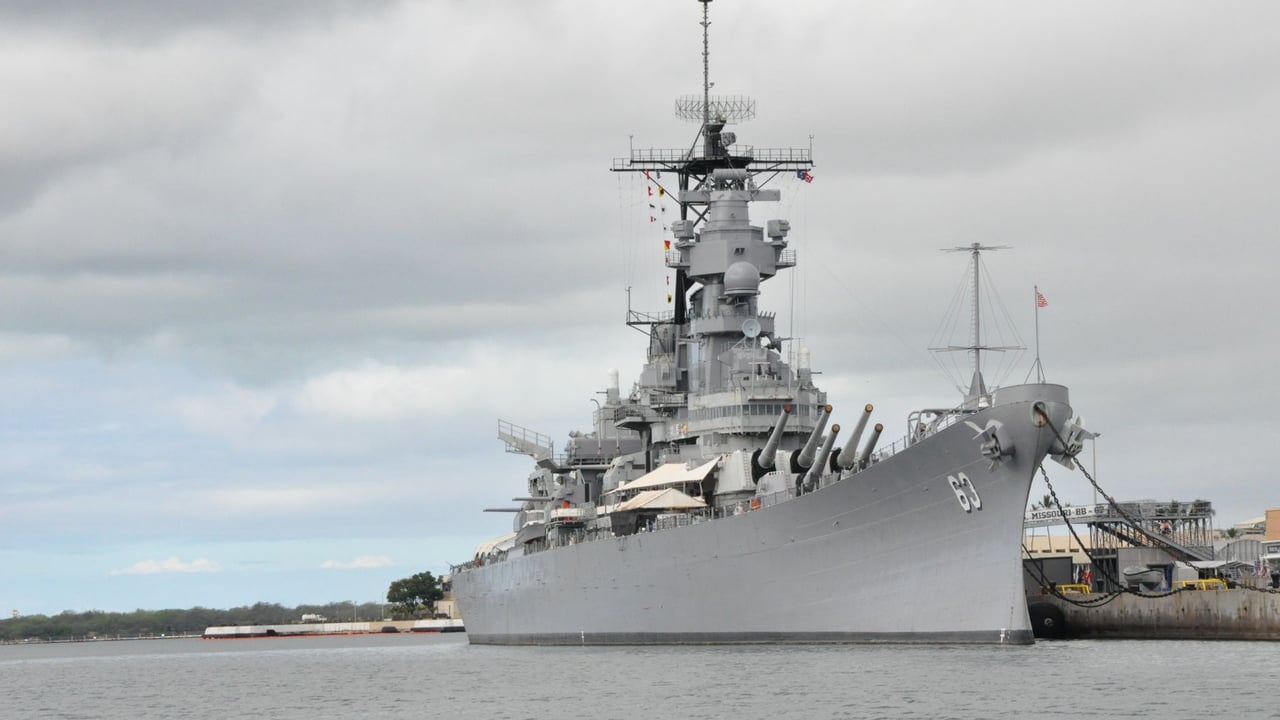
USS Missouri battleship moored at Pearl Harbor in Hawaii under a cloudy sky.

Key Takeaways

  • 1The USS Theodore Roosevelt (CVN-71) is designated as the lead vessel for the 2026 RIMPAC exercise.
  • 2A total of 31 nations, 32 surface ships, and 5 submarines are confirmed to participate.
  • 3The exercise will run from late June to the end of July in the waters surrounding Hawaii.
  • 4RIMPAC serves as a primary venue for demonstrating multi-national interoperability and collective maritime security in the Indo-Pacific.

Editor's
Desk

Strategic Analysis

The 2026 RIMPAC exercise is more than just a military drill; it is a barometer of the current geopolitical alignment in the Indo-Pacific. By placing a Nimitz-class carrier at the helm of a 31-nation fleet, Washington is reinforcing the 'latticework' of alliances designed to counter regional assertiveness. The exclusion of China, which has become a permanent feature since 2018, highlights the solidification of a Western-led security architecture. As regional flashpoints become more volatile, the ability of these disparate navies to operate as a single cohesive unit under the umbrella of a U.S. carrier strike group remains the ultimate deterrent against unilateral changes to the status quo.

China Daily Brief Editorial
Strategic Insight
China Daily Brief

The U.S. Navy has officially confirmed that the Nimitz-class aircraft carrier USS Theodore Roosevelt (CVN-71) will serve as the flagship for the 2026 Rim of the Pacific (RIMPAC) exercise. This biennial event, scheduled to run from June 24 through July 31, represents the world's largest international maritime exercise, centered around the strategic waters of the Hawaiian Islands.

Participation for the 2026 iteration has reached a significant scale, involving 31 nations, 32 surface vessels, and five submarines. The inclusion of a carrier strike group led by the 'Big Stick' underscores the Pentagon's commitment to maintaining a robust presence in the Indo-Pacific. This massive assembly of naval hardware and personnel serves as a crucial platform for testing interoperability between diverse allied forces.

Historically, RIMPAC has evolved from a Cold War-era routine into a complex diplomatic and military tool. While the exercise was once a venue for potential engagement with Beijing—which participated in 2014 and 2016—it has since pivoted toward a focus on integrated deterrence. The current geopolitical climate, characterized by friction in the South China Sea and the Taiwan Strait, lends this year’s maneuvers an unmistakable edge of strategic signaling.

The logistical and operational scope of the exercise will cover a vast array of maritime warfare disciplines, from disaster relief to high-end combat operations. By bringing together a coalition of 31 countries, the United States aims to demonstrate a collective capability to secure vital sea lanes. The presence of the Roosevelt provides the necessary power projection to anchor these multifaceted operations across the Pacific theater.

Share Article

Related Articles

📰
No related articles found