Hegseth’s Guantanamo Gambit: Washington Ratchets Up the Pressure on Havana

U.S. Defense Secretary Pete Hegseth made a surprise visit to Guantanamo Bay, signaling a hardline stance against Havana by stating all options are on the table regarding the island's leadership. The move highlights a dual-track U.S. strategy of public military posturing and economic pressure combined with quiet, high-level intelligence and military dialogues.

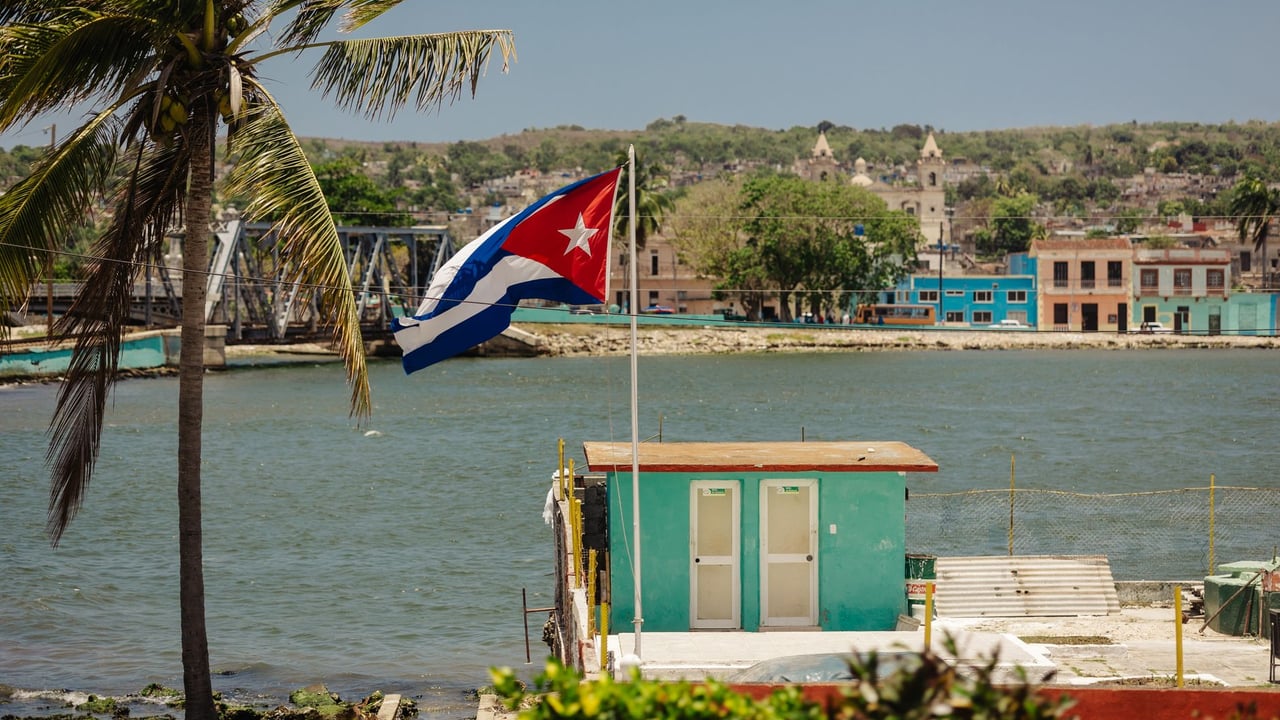
Colorful waterfront view with Cuban flag in Matanzas, Cuba under a bright sky.

Key Takeaways

  • 1U.S. Defense Secretary Hegseth visited Guantanamo Bay to ensure mission readiness and warn against Cuban military expansion.
  • 2Hegseth explicitly stated that 'all options are on the table' regarding potential intervention or control over Cuban leadership.
  • 3Cuban President Díaz-Canel has publicly accused the U.S. of planning economic destabilization and potential military aggression.
  • 4Recent backchannel meetings involving the CIA and U.S. Southern Command suggest a complex, multi-layered approach to Cuban relations.
  • 5The rhetoric signals a more hawkish turn in U.S. policy aimed at leveraging the island's current economic vulnerabilities.

Editor's
Desk

Strategic Analysis

The current U.S. approach to Cuba appears to be a calculated return to 'gunboat diplomacy' updated for the 21st century. By having the Defense Secretary visit Guantanamo and refuse to rule out leadership change, Washington is testing Havana's internal resilience during a period of acute economic distress. However, the simultaneous engagement of the CIA and Southern Command indicates that the U.S. is not yet seeking a total breakdown in communication. Instead, they are likely managing the risks of a state collapse while keeping the Cuban military—often seen as the true power broker on the island—under constant pressure to reconsider its loyalties. This 'dual-track' strategy aims to create enough friction to trigger internal change without accidentally sparking a regional refugee crisis or a hot conflict.

China Daily Brief Editorial
Strategic Insight
China Daily Brief

U.S. Defense Secretary Pete Hegseth’s unannounced arrival at the Guantanamo Bay naval base on June 10 marks a significant escalation in the Biden administration's posturing toward the Caribbean island. Hegseth explicitly stated that the Pentagon is preparing for all possible contingencies, a move that coincides with a period of intensified economic and diplomatic friction. The visit serves as a stark physical reminder of the U.S. military presence on Cuban soil, despite decades of protest from the leadership in Havana.

During his time at the base, Hegseth issued a stern warning to the Cuban government regarding the acquisition of offensive weaponry capable of reaching the American mainland. He asserted that the future of Cuba remains contingent on the actions of both the U.S. presidency and the Cuban administration. This rhetoric suggests a departure from more passive containment strategies toward a more assertive, interventionist framing of the bilateral relationship.

The situation grew more tense as Hegseth traveled to U.S. Central Command in Florida later that day. When questioned about the possibility of the U.S. forcibly asserting control over the Cuban leadership, he replied that all options remain on the table. Such comments reinforce the fears voiced by Cuban President Miguel Díaz-Canel, who recently outlined three U.S. scenarios for destabilizing the island: economic strangulation, external control of the economy, and direct military aggression.

Despite the bellicose public statements, an opaque layer of high-level communication continues to operate behind the scenes. Only two weeks prior, the head of U.S. Southern Command met with high-ranking Cuban military officials, following a mid-May visit to Havana by the Director of the CIA. This suggests a sophisticated dual-track strategy where Washington maintains military and intelligence channels while simultaneously applying maximum public and economic pressure to force a political opening.

Share Article

Related Articles

📰
No related articles found