
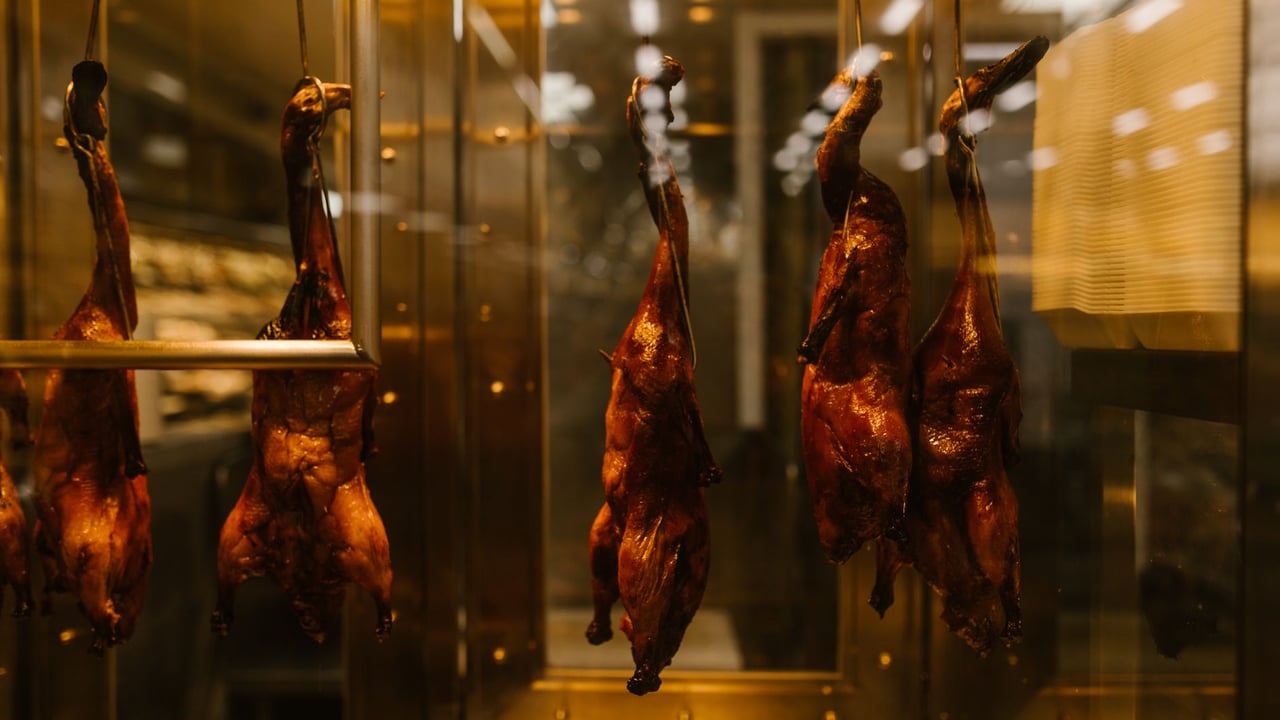

In the shadow of China’s elite Tsinghua and Peking Universities, a humble street vendor known as 'Goose Leg Auntie' became a folk hero to sleep-deprived students and a viral sensation on social media. Her business model appeared deceptively simple: selling roasted poultry legs from a cart to crowds of students on frigid Beijing nights. However, a recent scandal revealing that her 'goose' legs were actually cheaper duck legs has pulled back the curtain on a financial engine that rivals international franchises.
Financial records and interviews with the vendor’s family suggest a staggering annual net profit of approximately 600,000 RMB ($83,000). To put this in perspective, a typical KFC outlet in China generates an annual profit of roughly 800,000 RMB before accounting for corporate overhead and taxes. For a family-run operation with no storefront and no presence on major delivery platforms, achieving nearly 75% of the profitability of a global fast-food giant is a feat of extreme operational efficiency.
The secret to this success lies in the ruthless elimination of the 'three mountains' that crush most Chinese small businesses: rent, labor, and platform fees. By operating out of a multi-purpose residential space in a distant suburb and selling at fixed points near universities, the vendor avoided the astronomical commercial rents of Beijing’s Haidian district. This geographical arbitrage allowed her to trade a longer commute for an annual rent saving of hundreds of thousands of yuan.
Furthermore, her reliance on 'private domain' traffic—direct sales via WeChat groups—is a masterclass in bypassing the digital gatekeepers. Unlike most restaurants that lose 14% to 17% of every order to delivery platform commissions like Meituan or Ele.me, 'Goose Leg Auntie' kept every cent of her margin. Her customers, mostly students comparing her prices to campus canteens rather than high-end eateries, granted her a level of pricing power that most independent vendors can only dream of.
However, the recent 'duck-for-goose' revelation highlights the fragility of the viral 'Wanghong' economy. When a business is built on a personal brand and high-trust social circles rather than standardized quality control, a single breach of honesty can be fatal. As market regulators in Beijing begin their investigation, the case serves as a cautionary tale for China’s micro-entrepreneurs on the necessity of regulatory compliance over short-term growth hacks.