

China’s equity markets staged a high-octane rally during the morning session on June 12, 2026, as the three major indices surged over 1% on the back of massive trading volumes. The Shanghai Composite climbed 1.56%, while the tech-heavy Shenzhen and ChiNext indices rose 1.69% and 1.27% respectively. Most striking was the half-day turnover, which hit a staggering 2.06 trillion RMB, an increase of nearly 466 billion RMB compared to the previous session, signaling a significant return of liquidity and risk appetite among domestic investors.
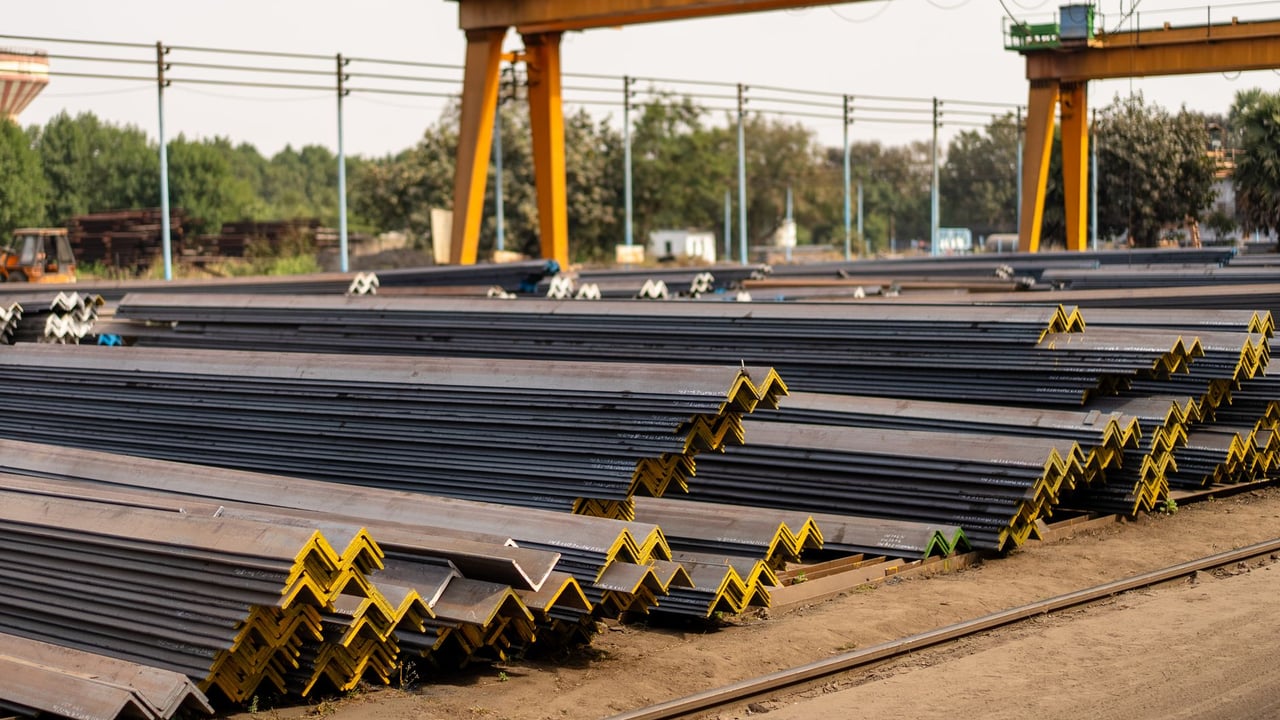
The rally was spearheaded by a 'metal fever' as the non-ferrous metals sector exploded. More than ten major mining and resource companies hit the daily 10% price ceiling, with stalwarts like Luoyang Molybdenum, Copper Lung Nonferrous, and Northern Copper leading the charge. This surge is not a traditional commodity play; rather, it reflects the deepening integration of the AI revolution into industrial supply chains. Investors are increasingly viewing copper, molybdenum, and gold as the essential physical substrates for the global expansion of AI data centers and power infrastructure.
Supporting this resource-led rally was a notable rotation into the Printed Circuit Board (PCB) sector and the broader financial block. PCB stocks, which act as the nervous system for AI hardware, saw continued strength as the market looks ahead to the mid-year earnings season. Financial stocks also provided the necessary buoyancy to the broader indices, suggesting a coordinated effort by institutional 'big money' to stabilize and lift the market above key technical resistance levels.
Despite the local exuberance, the broader macro environment remains shadowed by external volatility. Analysts from Caixin and Zhongyuan Securities noted that the rally occurs against a backdrop of hawkish signals from the U.S. Federal Reserve following better-than-expected labor data. While the 'AI industrial trend' provides a solid medium-term fundamental floor, the market remains sensitive to geopolitical tensions in the Middle East and the South China Sea, which continue to suppress global risk preference and may cause short-term turbulence.