
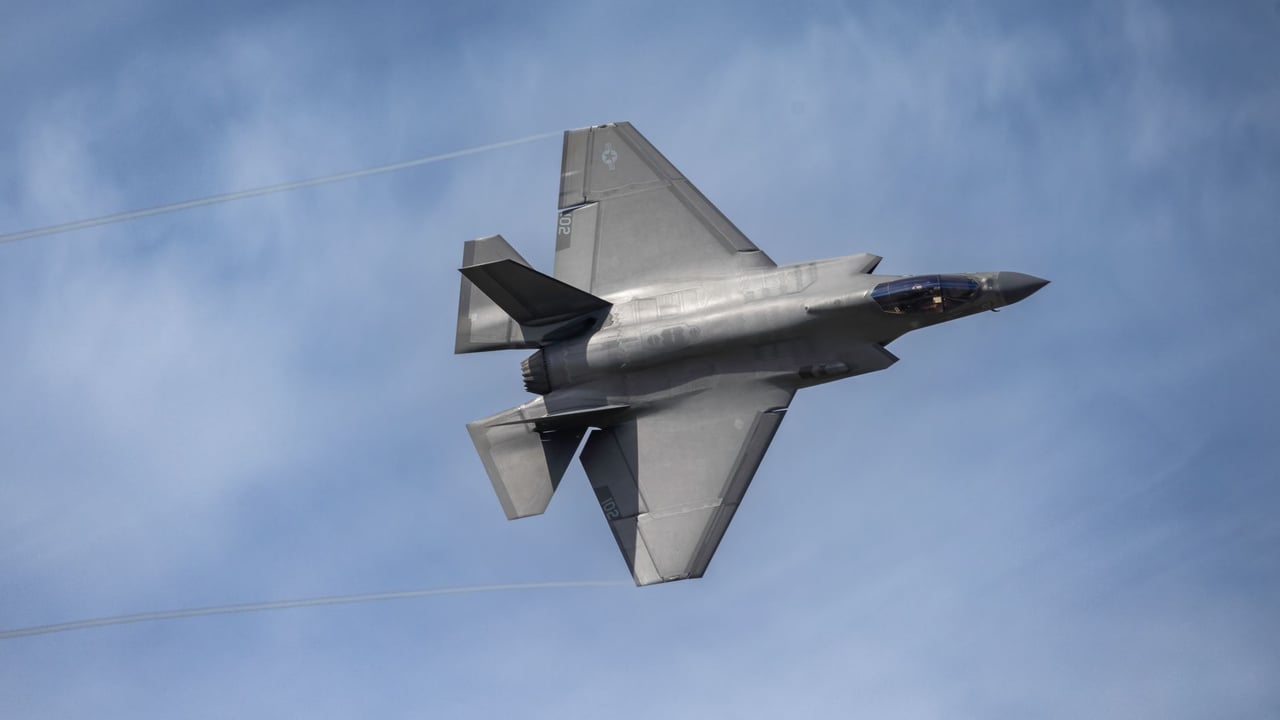

The release of new footage by Iranian authorities, purportedly showing the devastation of United States Air Force facilities across three nations, marks a significant escalation in the ongoing information warfare between Tehran and Washington. This latest propaganda push aims to demonstrate Iranian precision strike capabilities, claiming not only the destruction of infrastructure but also the neutralization of a substantial number of American combat aircraft. While the specific locations remain under scrutiny, the psychological intent behind the broadcast is clear: to project power and undermine the perceived invincibility of the American regional security umbrella.
Chinese state-affiliated media outlets, including Haiwai Net, have been quick to amplify these claims, reflecting Beijing’s keen interest in narratives that highlight the vulnerabilities of U.S. overseas military deployments. By disseminating these reports, Chinese platforms provide a broader stage for Iranian narratives, framing the event within a larger global shift toward a multipolar order where Western military dominance is actively contested. This reporting also serves as a subtle domestic signal in China, emphasizing the risks associated with American forward positions in contested zones.
Observers of Middle Eastern security dynamics note that these high-production-value video releases often serve as a deterrent mechanism, designed to influence public opinion and policy debates within the West and among regional allies. The timing of this release, set against the backdrop of 2026's volatile geopolitical climate, suggests that Iran is leveraging its missile and drone advancements to reset the regional balance of power. The claims of 'massive destruction' must be weighed against the historical tendency of the Islamic Revolutionary Guard Corps to utilize edited or simulated footage for strategic communication.
As the Pentagon evaluates the veracity of these claims, the incident underscores the fragile nature of current de-confliction agreements. If even partially verified, such strikes would represent a catastrophic failure of regional air defenses and a turning point in kinetic engagements in the Middle East. Regardless of the actual physical damage, the narrative victory sought by Tehran indicates a bold willingness to challenge the U.S. military presence through both physical and digital channels, forcing a re-evaluation of force protection strategies in the region.