
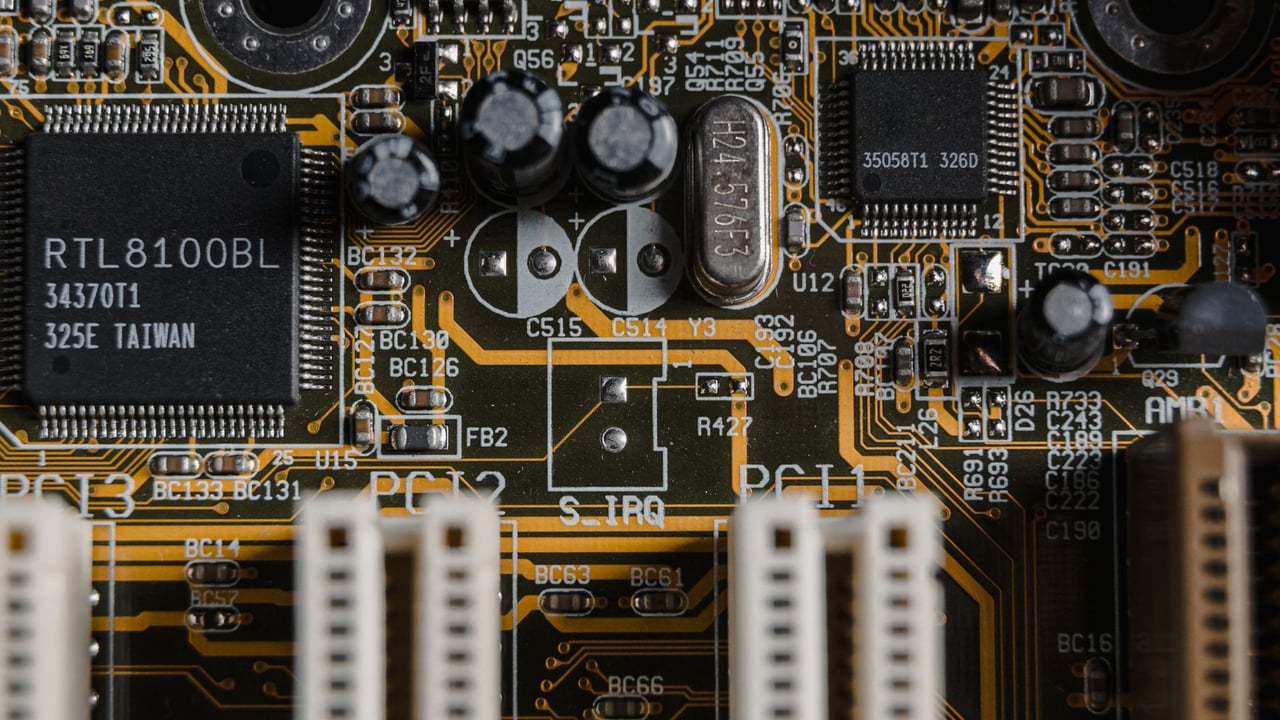

A seismic shift is occurring within the hierarchy of Corporate Japan as Kioxia, the semiconductor powerhouse formerly known as Toshiba Memory, has reportedly eclipsed Toyota in market capitalization. This transition marks more than just a change in leaderboards; it signals a fundamental restructuring of the Japanese economy. For decades, Toyota stood as the untouchable avatar of Japan’s post-war industrial might, representing the pinnacle of precision manufacturing and global automotive dominance.
Kioxia’s ascent to the top spot highlights the global financial market's pivot toward the infrastructure of the Artificial Intelligence era. As the demand for high-performance NAND flash memory skyrockets to support data centers and AI processing, Kioxia has captured the zeitgeist of modern value creation. While Toyota continues to grapple with a complex transition to electric vehicles and intensifying competition from Chinese manufacturers like BYD, the market is betting heavily on the silicon that powers the next industrial revolution.
This valuation flip also reflects a broader trend of 'New Tech' overtaking 'Old Industry' across the Asian markets. The Japanese government’s strategic push to revitalize its domestic chip industry through massive subsidies and international partnerships is beginning to bear fruit. By reclaiming its status in the semiconductor supply chain, Japan is attempting to insulate itself from the volatility of the global automotive market, which is currently being disrupted by software-defined vehicles and alternative energy sources.
However, the fall of Toyota from the top spot serves as a cautionary tale for legacy giants. Despite Toyota's record-breaking production numbers and robust hybrid sales, investors are increasingly wary of the long-term viability of internal combustion legacies. The rise of Kioxia suggests that for the first time in nearly half a century, the engine of the Japanese economy is no longer a physical motor, but a digital circuit.