
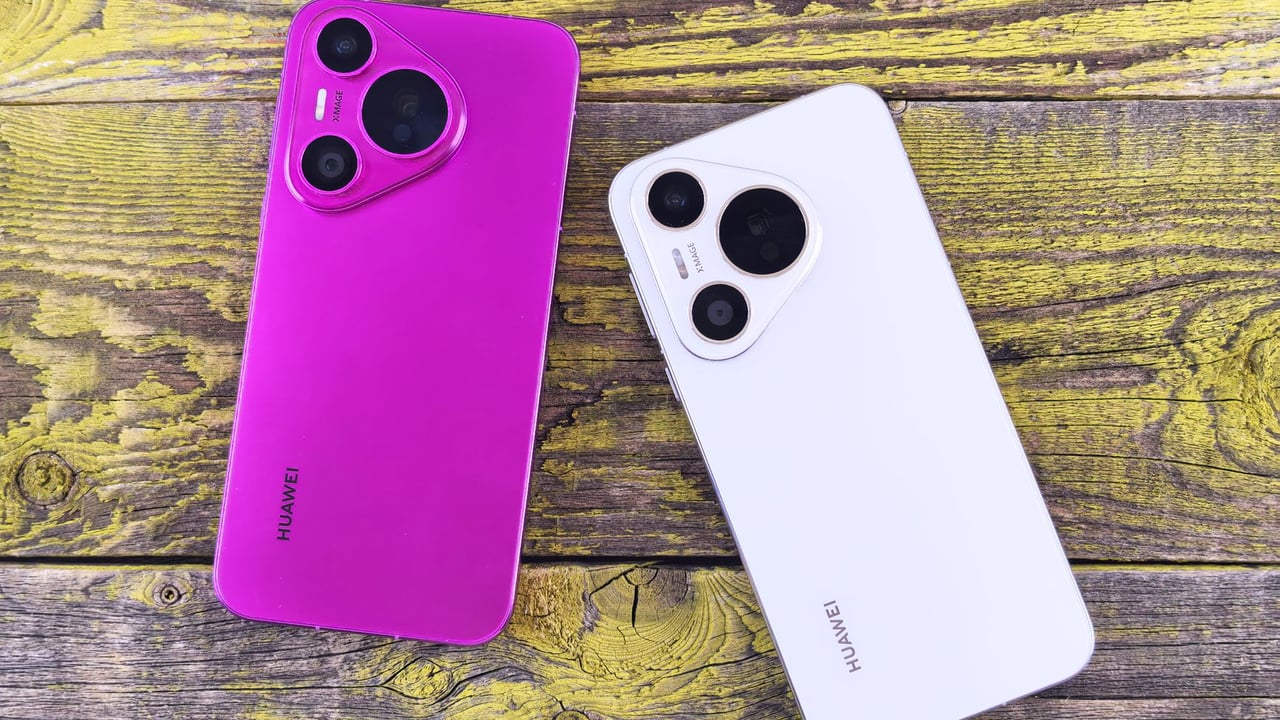

At the Huawei Developer Conference (HDC) 2026, the Chinese tech giant signaled a profound shift in its mobile strategy, moving beyond the traditional app-centric ecosystem toward a future defined by autonomous AI agents. With the release of the HarmonyOS 7 developer beta, Huawei is repositioning its proprietary operating system as an 'intelligent task platform' rather than a mere vessel for third-party software. This pivot comes as the company reports a milestone of over 66 million devices running HarmonyOS 6 and a developer community exceeding 11 million members.
The core of this evolution is the new HarmonyOS Intelligence architecture, which transitions the system's virtual assistant, Xiaoyi, from a conversational bot to a proactive executor. Through the HarmonyOS Agent Framework 2.0, the system now utilizes 'Skills'—standardized capability modules that allow the AI to perform complex, multi-step tasks such as restaurant bookings and payment processing across different services with a single voice command. This 'Intention as Service' model aims to eliminate the friction of toggling between disparate apps.
Technologically, Huawei is pushing boundaries with new GUI-control capabilities that allow the system-level AI to 'read' the screen and simulate user clicks. This enables the AI agent to interact with applications that have not yet opened dedicated APIs for the platform, effectively bridging the gap between legacy software and the new AI-first paradigm. By embedding these capabilities into the kernel level, Huawei is directly challenging the AI integration strategies recently unveiled by global competitors Apple and Google.
On the commercial front, the transition is already yielding tangible results for Chinese partners. E-commerce giant JD.com reported a 20% increase in conversion rates using the system’s new 3D display capabilities, while Meituan-Dianping saw a 10% rise in orders through '3D spatial' restaurant previews. Furthermore, the use of AI-assisted coding has reportedly streamlined the development process for firms like Kuaishou, where code generation rates now exceed 80%, allowing smaller teams to maintain multi-platform parity.
However, the global landscape remains a hurdle for Huawei’s ambitions. While the company claims over 17,000 overseas applications and services are now part of the HarmonyOS ecosystem, it still faces the formidable task of convincing international users and developers to bypass the entrenched duopoly of iOS and Android. For Huawei, the 'Agent Era' represents more than just a software update; it is a strategic attempt to leapfrog established players by redefining how humans and machines interact.