Beijing’s Gilded Gamble: Retail Investors Scramble as Gold Prices Breach the 900-Yuan Floor

As gold prices fell below the critical 900 RMB per gram mark, retail investors in Beijing flocked to major outlets to 'buy the dip.' This surge in investment gold demand, despite a slump in jewelry sales, reflects a strategic shift toward wealth preservation amid high market volatility.

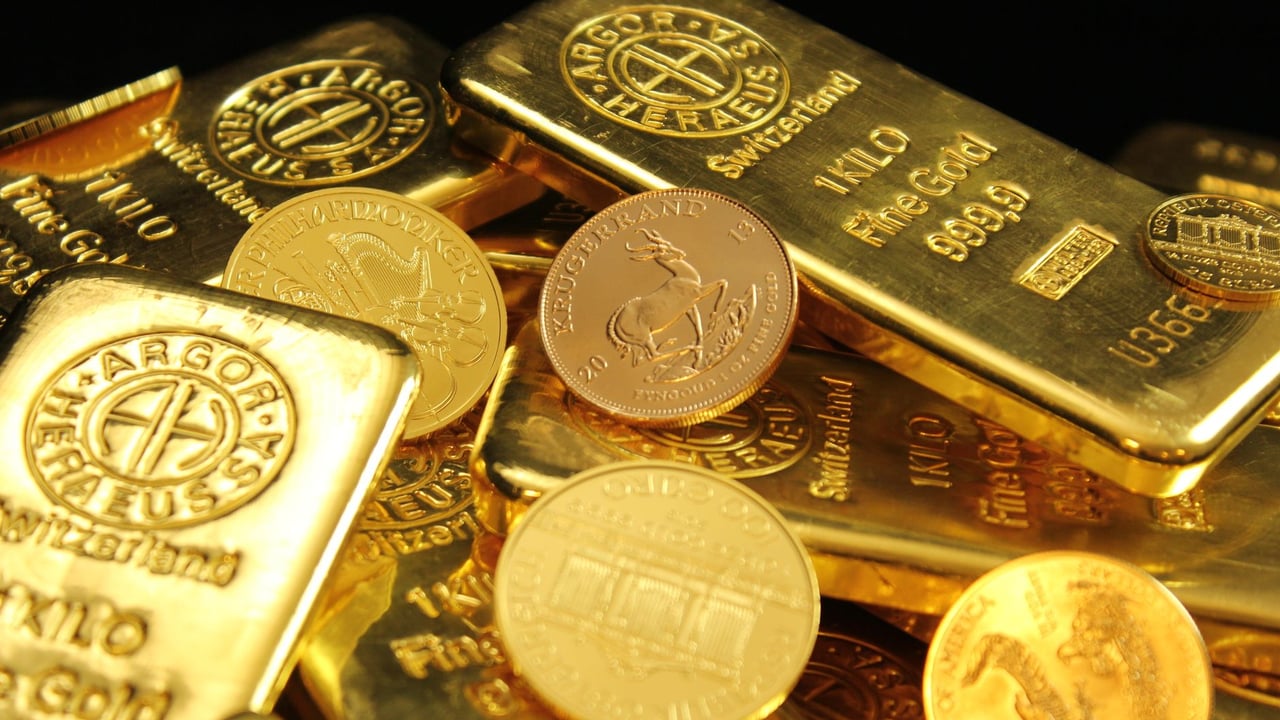
A detailed image of gold bars and coins symbolizing wealth and financial investment.

Key Takeaways

  • 1Gold prices breached the psychological 900 RMB/gram support level, hitting lows near 884 RMB in early June 2026.
  • 2Investment gold consumption in China rose 46.4% in Q1 2026, while jewelry consumption plummeted 37.1%.
  • 3Retail buyers are using 'price-locking' tactics at physical stores to navigate intraday volatility.
  • 4International gold prices have entered a technical correction, falling over 20% from January highs.
  • 5Investors are divided between those 'averaging down' previous losses and those fearing further price collapses.

Editor's
Desk

Strategic Analysis

The current behavior at Chinese gold counters is a microcosm of a broader shift in domestic capital allocation. With traditional wealth drivers like the property market cooling and the domestic stock market remaining volatile, physical gold has become the 'safety valve' for Chinese household savings. The shift from jewelry to investment bars indicates that consumers no longer view gold as a discretionary purchase but as a financial instrument. However, the 'bottom fishing' seen in Beijing suggests a high degree of retail speculation that may be vulnerable if global macroeconomic factors—specifically U.S. monetary policy and a strengthening dollar—continue to exert downward pressure on bullion. pressure on bullion. This 'gold rush' is less about prosperity and more about a defensive entrenchment of wealth.

China Daily Brief Editorial
Strategic Insight
China Daily Brief

At 9:30 AM in Beijing’s Xicheng District, the doors of the Caibai Jewelry flagship store swing open to a crowd that behaves more like traders on a stock exchange floor than morning shoppers. Armed with ID cards and stacks of cash, seasoned retail investors—many of them retirees—sprint toward the fourth-floor investment gold counters. The catalyst for this localized frenzy is a significant psychological breach: the price of gold has finally dipped below the 900 RMB per gram threshold, a level not seen in months.

Inside the store, the atmosphere is thick with a mixture of anxiety and opportunism. Customers utilize a unique price-locking mechanism where they can 'open a ticket' to hold a price for one hour, allowing them to benefit if the price rises or re-issue the ticket if it continues to fall. This ritual of 'bottom fishing' has become a necessity for many who entered the market at the January peak of 1,240 RMB per gram and are now looking to 'average down' their costs.

The divergence in China’s gold market is stark. While high prices have decimated the demand for decorative gold jewelry—down 37.1% in the first quarter of 2026—the appetite for gold bars and coins has surged by over 46%. For the Chinese middle class, gold has transitioned from a luxury ornament to a desperate defensive play against a backdrop of domestic real estate uncertainty and global currency fluctuations.

However, the floor remains slippery. As real-time charts flicker on smartphone screens throughout the store, the collective gasp of the crowd follows every downward tick. Even as prices touched 884 RMB per gram, many buyers remained paralyzed by the 'falling knife' dilemma. The fear of buying too early in a broader 20% correction from the year's highs is competing directly with the long-held Chinese belief that gold is the ultimate store of value that must inevitably rise.

Share Article

Related Articles

📰
No related articles found