Vanguard of the Unseen: The PLA’s Robotic Shift in Offensive Operations

Recent PLA offensive drills have highlighted the integration of unmanned ground and aerial systems as the primary vanguard for combat operations. This shift reflects China's strategic move toward 'intelligentized warfare,' aiming to reduce human casualties and enhance battlefield precision through autonomous technology.

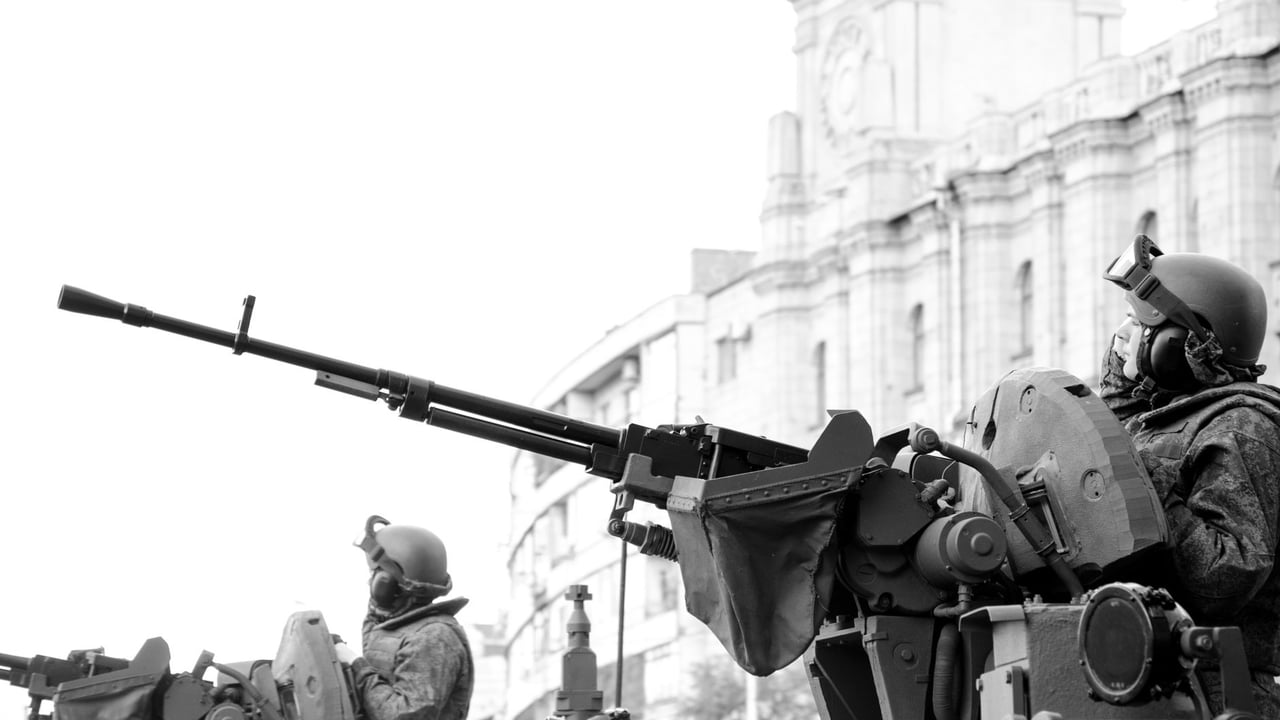
Monochrome image of soldiers in armored tanks, equipped with rifles, patrolling urban surroundings.

Key Takeaways

  • 1Unmanned ground vehicles (UGVs) have transitioned from support roles to leading offensive breaching operations.
  • 2The drills showcased advanced synchronization between aerial reconnaissance drones and ground-based robotic weapon systems.
  • 3The 'machine-first' approach is designed to minimize frontline casualties during high-intensity engagements.
  • 4These exercises serve as a practical application of the PLA's 'intelligentized warfare' doctrine.
  • 5Success in these maneuvers depends heavily on the maturity of the underlying command-and-control data networks.

Editor's
Desk

Strategic Analysis

The prominence of unmanned systems in this exercise signals that the PLA is no longer merely experimenting with drones but is actively integrating them into the core of its offensive combat doctrine. For regional observers, the most critical takeaway is the 'political' utility of this technology; by lowering the projected casualty rate of an intervention or invasion, Beijing may feel more emboldened to use force in territorial disputes. The strategic 'so what' lies in the shift from mass-based warfare to precision-based robotic attrition, a move that forces competitors to rapidly accelerate their own electronic counter-measure and anti-robotics capabilities to maintain a credible deterrent.

China Daily Brief Editorial
Strategic Insight
China Daily Brief

On the dusty training grounds of Northern China, a new era of warfare is taking shape, one where the first wave of an assault does not consist of human soldiers, but a coordinated swarm of autonomous systems. Recent offensive combat exercises conducted by the People’s Liberation Army (PLA) have showcased a sophisticated integration of unmanned ground vehicles (UGVs) and aerial drones, marking a significant departure from traditional infantry-led breaching maneuvers.

These drills emphasize a 'machine-first' doctrine, where robotic platforms are tasked with the highest-risk objectives, including obstacle clearance, frontline reconnaissance, and direct fire suppression. By utilizing unmanned assets to probe and saturate enemy defenses, the PLA aims to preserve its human capital while maintaining a high-tempo offensive. This tactical evolution is a direct manifestation of Beijing’s broader commitment to 'intelligentized warfare,' a strategic pivot intended to offset the technological advantages of Western adversaries.

The exercise demonstrated a high degree of synchronicity between different classes of unmanned hardware. Aerial drones provided real-time targeting data to ground-based robotic combat platforms, which then engaged targets with high precision. This seamless data link suggests that the PLA is making significant strides in overcoming the command-and-control hurdles that typically plague multi-domain autonomous operations.

However, the sophistication of these drills also points to the growing complexity of the modern battlefield. As the PLA moves these systems from experimental units to frontline offensive formations, the challenge shifts toward maintaining network resilience. In a real-world conflict against a peer competitor, these autonomous systems would face intense electronic warfare environments designed to sever the very data links that made this recent exercise so visually and tactically impressive.

Share Article

Related Articles

📰
No related articles found