
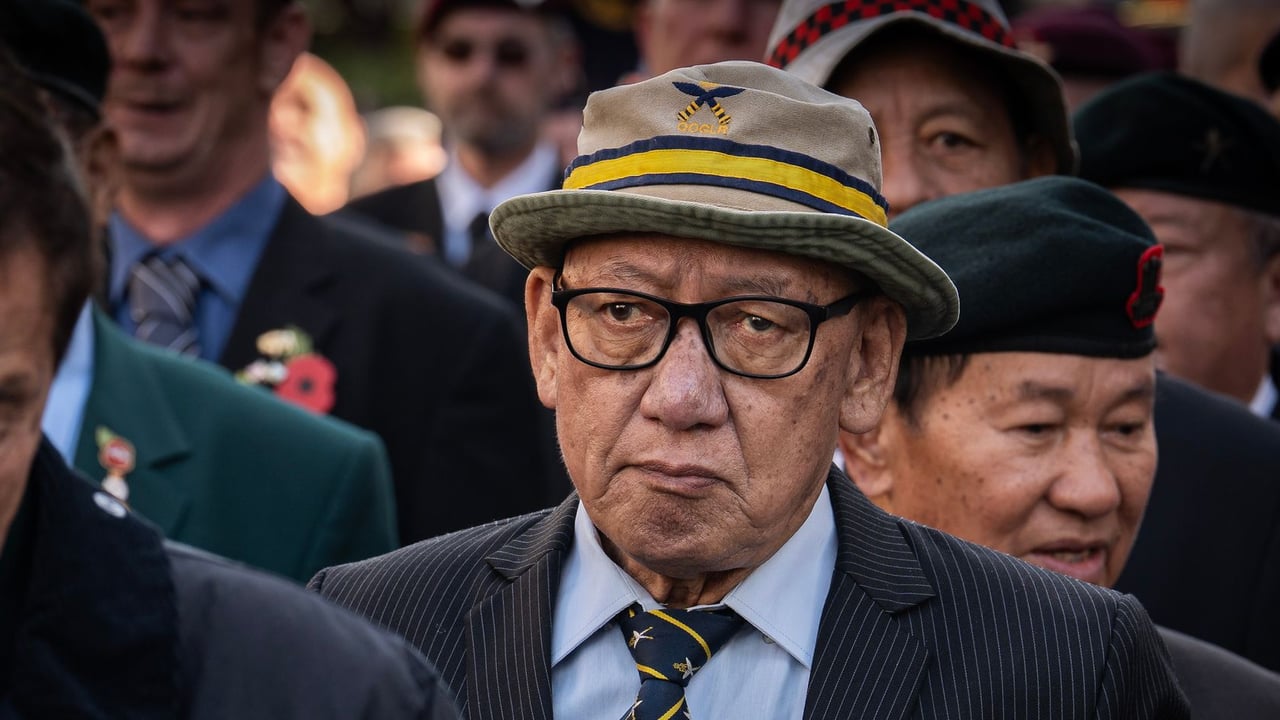

For Yu Xiaodong, a seasoned veteran of the People’s Liberation Army, the transition to civilian life was never intended to be a retreat into quietude. Despite deteriorating health and the persistent pleas of both medical professionals and family members to prioritize his well-being, Yu’s story has emerged as a central pillar of state-media narratives regarding the indomitable spirit of China’s retired military personnel. His refusal to step back from what he deems his ideological mission highlights the enduring influence of the 'red genes' that the Chinese Communist Party (CCP) seeks to preserve across generations.
This narrative, disseminated through specialized military channels like China Military Online, serves a broader strategic purpose than simple human-interest reporting. By showcasing Yu’s 'unshakeable faith,' the state reinforces a model of citizenship where collective duty and ideological commitment take precedence over individual health and domestic comfort. In the eyes of the Beijing establishment, veterans like Yu are not merely retired soldiers; they are the living embodiment of the party's foundational values and a stabilizing force in an era of rapid social transformation.
The tension between the doctor’s warnings and Yu’s persistence reflects a cultural clash within modern China. On one side is the rising middle-class focus on health, longevity, and private life; on the other is the state-sanctioned ideal of the selfless 'old soldier' who remains a vanguard for the revolution until the end. Yu’s choice to ignore his physical limitations is framed not as stubbornness, but as a form of spiritual fortitude that the younger generation is encouraged to emulate.
Furthermore, this focus on veteran loyalty is part of a sophisticated effort by the Ministry of Veterans Affairs to manage and mobilize China’s estimated 57 million veterans. By elevating individuals like Yu to the status of moral exemplars, the state effectively integrates the veteran community into its social governance framework. This ensuring that their influence remains a net positive for social stability and nationalistic pride, rather than a potential source of grievance or unrest.