

A potential tectonic shift is emerging in Middle Eastern diplomacy as reports from Tehran suggest that Iran and the United States have drafted a 14-point memorandum of understanding. The Mehr News Agency, an outlet closely tied to the Iranian establishment, disclosed that the secret negotiations have progressed far beyond a mere cessation of hostilities. This draft agreement aims to fundamentally restructure the geopolitical architecture of the Persian Gulf, proposing a framework for long-term stability between the two arch-rivals.
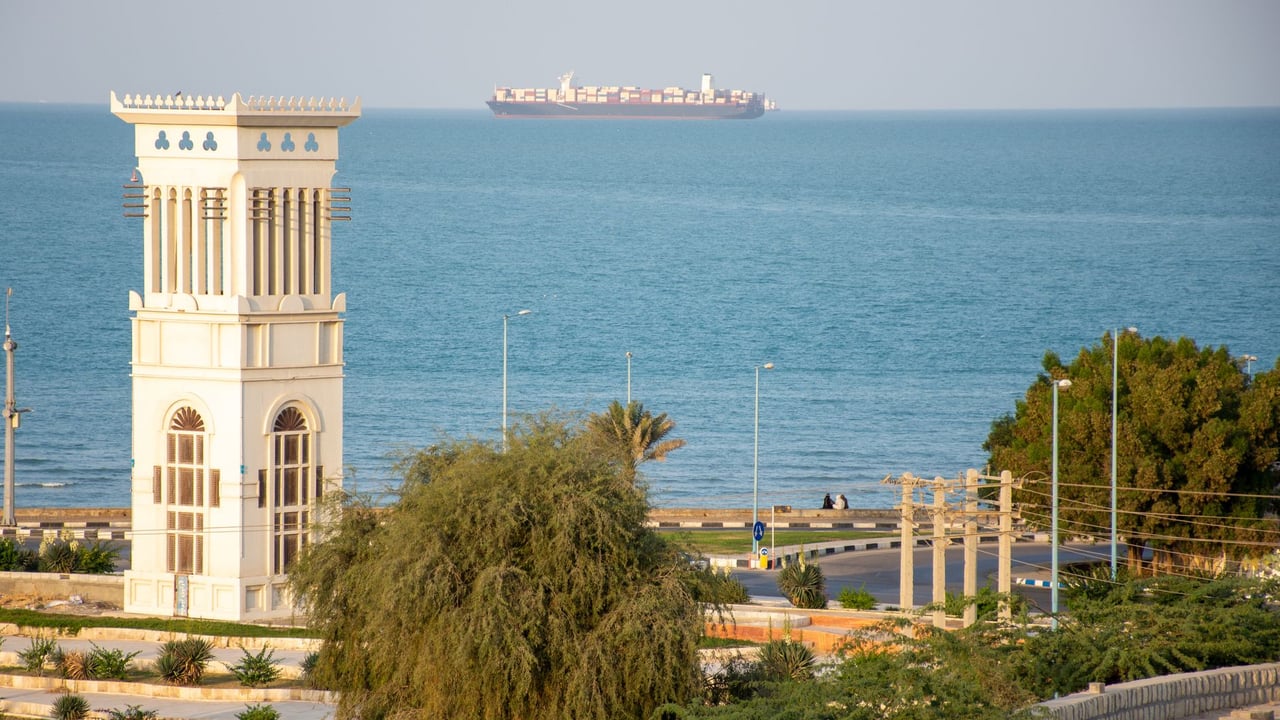
At the heart of the proposed deal are two major concessions that could reshape global energy markets and regional security. The draft reportedly includes a scheduled withdrawal of U.S. military forces from the region in exchange for the guaranteed reopening and safe passage of the Strait of Hormuz. For global markets, the reopening of this maritime artery—where roughly one-fifth of the world’s oil consumption passes—would alleviate a massive risk premium that has haunted the energy sector for years.
In Washington, the diplomatic atmosphere remains characteristically volatile yet surprisingly optimistic. President Donald Trump, following a period of intense bellicose rhetoric that included threats of imminent bombardment, has pivoted sharply toward a narrative of reconciliation. He recently told reporters at the White House that negotiations have reached a critical breakthrough, suggesting that a formal agreement could be finalized and signed in Europe as early as this weekend.
This rapid transition from the brink of conflict to the cusp of a historic accord suggests a return to high-stakes transactional diplomacy. If the 14-point memorandum is enacted, it would signal the most significant realignment in U.S.-Iran relations since the 1979 revolution. However, the lack of final confirmation from Iranian leadership regarding the specific text suggests that both sides are still navigating a delicate internal political landscape before the ink can dry on any definitive treaty.