Beyond the Grid: Sunmi Taps Satellite Connectivity to Unlock Retail Potential in the Global South

Sunmi Technology has launched a pioneering satellite-based IoT solution designed to provide stable connectivity for commercial operations in remote regions of Africa and Latin America. By leveraging satellite infrastructure, the company aims to solve the 'last-mile' connectivity gap for retail, payments, and energy management in areas where traditional ground networks are unfeasible.

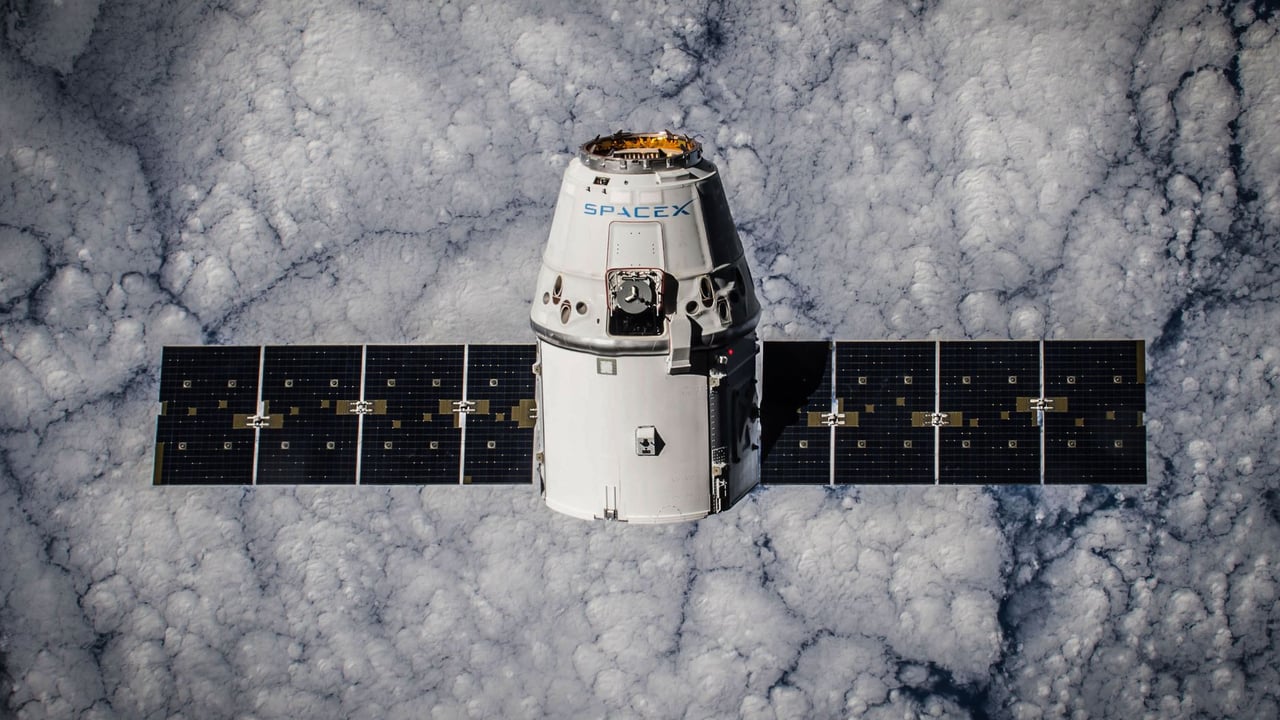
SpaceX Dragon spacecraft in orbit, highlighting advanced space technology with cloud backdrop.

Key Takeaways

  • 1Sunmi has debuted the world's first satellite-integrated commercial IoT solution for emerging markets.
  • 2The technology targets infrastructure-poor regions like mountains, islands, and forests where cable costs are prohibitive.
  • 3Key applications include digital payments, data synchronization, and integrated energy-payment systems for 'light-storage-charging' facilities.
  • 4The strategy hinges on the scaling of global satellite constellations like SpaceX to provide low-cost, high-stability communication.
  • 5The initiative positions Sunmi as a primary bridge between advanced aerospace technology and ground-level B2B commercial hardware.

Editor's
Desk

Strategic Analysis

This partnership represents a significant shift in how Chinese tech firms approach market dominance in the Global South. Rather than competing purely on hardware price, Sunmi is pivoting toward 'infrastructure-as-a-service' by solving the fundamental connectivity problem that limits its total addressable market. By hitching its IoT ecosystem to the rapidly maturing satellite internet industry, Sunmi is effectively future-proofing its operations against the physical limitations of terrestrial infrastructure. Furthermore, this move signals the beginning of a 'Space-IoT' era where commercial aerospace is no longer a separate industry but a critical utility layer for global retail and fintech. For investors, the long-term value lies in Sunmi's ability to act as the primary gateway for digital services in regions that traditional telecom giants have abandoned as unprofitable.

China Daily Brief Editorial
Strategic Insight
China Daily Brief

For years, the promise of the digital economy has hit a physical wall at the edge of the world’s most remote regions. In the rural highlands, dense forests, and isolated islands of Africa and Latin America, the prohibitive cost of laying traditional fiber-optic cables has left local businesses—from convenience stores to gas stations—stranded in a pre-digital era. Without reliable connectivity, basic modern necessities such as digital payments and real-time inventory management remain out of reach.

Sunmi Technology, a global leader in commercial IoT and artificial intelligence, is moving to dismantle these barriers through a strategic pivot toward space-based infrastructure. By integrating its proprietary Hyper Wi-Fi technology with satellite networks, the company has unveiled a first-of-its-kind satellite-enabled IoT solution. This initiative aims to provide a lifeline to sectors struggling with chronic network instability, ensuring that even the most remote retail outposts can maintain constant uptime.

The timing of this rollout aligns with the maturation of the commercial aerospace sector, exemplified by SpaceX’s transition into a global utility provider. As satellite internet evolves from a high-tech novelty into a foundational piece of global infrastructure, Sunmi is positioning itself as the critical link between the stars and the street. The company’s new terminals are designed to bridge the gap between orbital data transmissions and ground-level commercial operations.

This strategic move is particularly significant for the 'Light-Storage-Charging' sector, where integrated power and payment systems are vital for energy-scarce regions. By ensuring data synchronization and payment processing via satellite, Sunmi is enabling a level of self-sufficient, automated business operation that was previously impossible. This ecosystem approach suggests that the next phase of global digitalization will not be won through terrestrial expansion alone, but through a hybrid model that looks to the sky for stability.

Share Article

Related Articles

📰
No related articles found