Trump’s Sudden Pivot: A Middle East Breakthrough Leaves Netanyahu in the Cold

President Trump has cancelled a military strike on Iran in favor of a surprise diplomatic breakthrough involving asset unfreezing and a maritime ceasefire. The move has reportedly blindsided Israeli Prime Minister Benjamin Netanyahu, highlighting a potential shift in the U.S.-Israel communication dynamic regarding regional security.

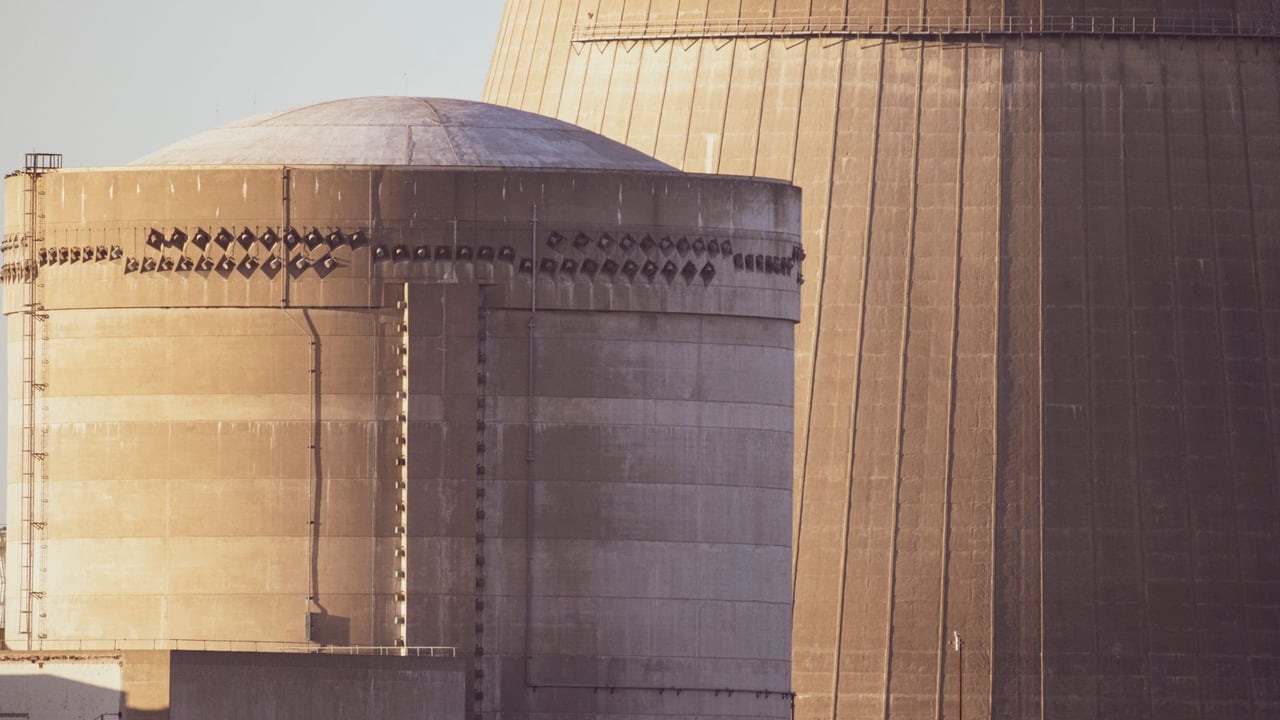
Close-up view of nuclear reactor buildings bathed in golden light, showcasing industrial architecture.

Key Takeaways

  • 1President Trump abruptly halted military action against Iran, citing a pending Memorandum of Understanding.
  • 2The proposed deal includes a 60-day ceasefire and the reopening of the Strait of Hormuz in exchange for nuclear talks.
  • 3Israeli Prime Minister Netanyahu was reportedly not given prior notice of the specific announcement, causing internal friction.
  • 4The U.S. is coordinating with Gulf allies like Qatar and the UAE to facilitate the thawing of Iranian assets.
  • 5Iranian officials have publicly downplayed the finality of the agreement, calling current reports 'speculation'.

Editor's
Desk

Strategic Analysis

This development represents a classic 'Trumpian' maneuver—leveraging the immediate threat of force to extract a transactional diplomatic opening. By bypassing the traditional 'no surprises' policy with Israel, the Trump administration is signaling that its appetite for a 'Grand Bargain' in the Middle East takes precedence over the security anxieties of its primary regional partner. The inclusion of the Strait of Hormuz and asset unfreezing suggests the U.S. is prioritizing global energy stability and economic de-escalation over the 'maximum pressure' campaigns of the past. However, the success of this pivot depends entirely on whether the 60-day window provides enough space for a permanent agreement or merely offers Tehran a tactical reprieve to bolster its economy.

China Daily Brief Editorial
Strategic Insight
China Daily Brief

The geopolitical landscape of the Middle East shifted on its axis this week as President Donald Trump announced the sudden cancellation of a planned military strike against Iran. Citing an imminent diplomatic breakthrough, the administration signaled that a new Memorandum of Understanding is on the horizon, potentially ending years of escalating tension. This pivot from the brink of kinetic conflict to the negotiation table suggests a major recalibration of American strategy in the region.

While the move was welcomed in some quarters, it appears to have caught America’s closest regional ally off guard. Reports indicate that Israeli Prime Minister Benjamin Netanyahu was not briefed on the specific timing of the announcement, leaving his cabinet to scramble for a response. This perceived lack of coordination marks a rare and public friction point in the otherwise tight strategic alignment between Washington and Jerusalem.

At the heart of the emerging deal are three critical concessions designed to freeze the conflict. The framework reportedly includes a mechanism to unfreeze sanctioned Iranian assets and a 60-day ceasefire period that would see the reopening of the crucial Strait of Hormuz to international shipping. In exchange, Tehran would enter a new round of formal negotiations targeting its nuclear ambitions and ballistic missile capabilities.

Regional players including Qatar, Saudi Arabia, and the United Arab Emirates have reportedly been kept in the loop, reflecting a broader coalition-based approach to the de-escalation. However, Tehran remains characteristically guarded, with foreign ministry officials dismissing the reports of a finalized deal as premature speculation. The disparity between Washington’s confidence and Tehran’s caution suggests that while the military threat has receded, the diplomatic path remains fraught with internal political hurdles for both regimes.

Share Article

Related Articles

📰
No related articles found