
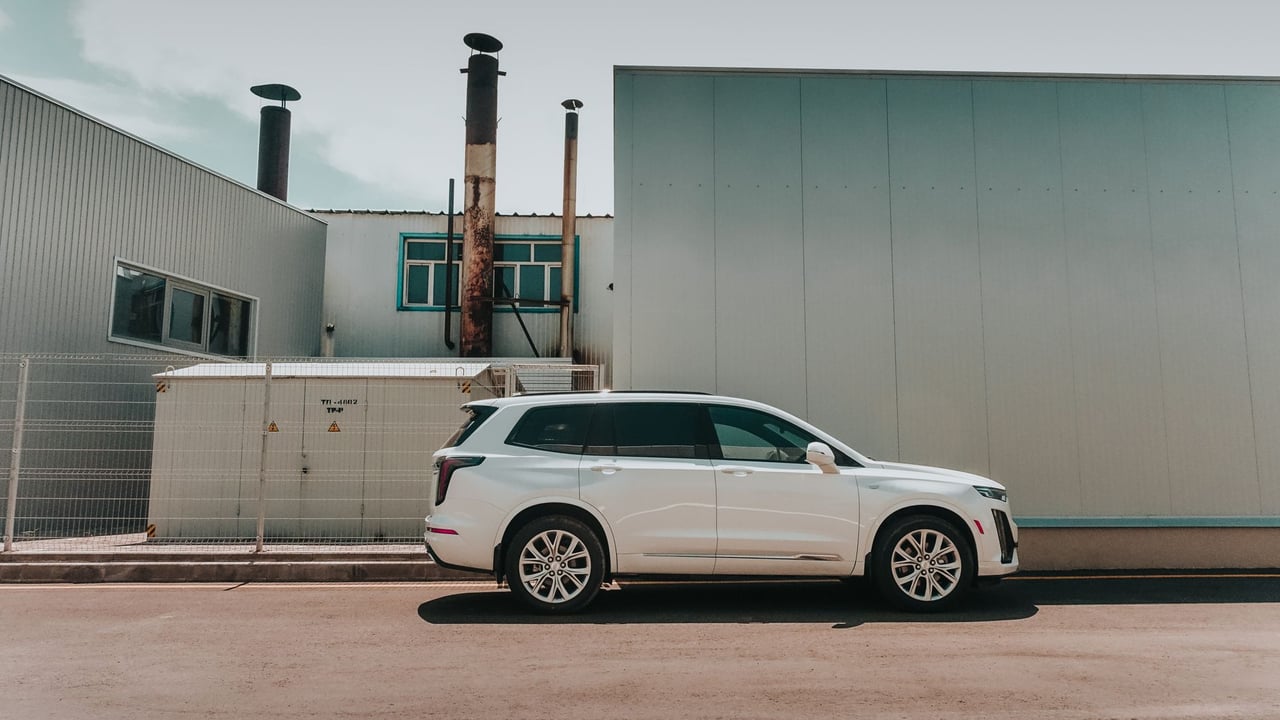

Cadillac’s announcement of an unprecedented 80% buy-back policy for its entire internal combustion engine (ICE) lineup marks a watershed moment in the Chinese automotive landscape. By guaranteeing such high residual value for three years across flagship models like the CT5 and XT5, the General Motors-owned brand is attempting to insulate its customers from the brutal depreciation currently plaguing the fossil-fuel sector. This aggressive financial maneuver is designed to provide a psychological safety net for buyers who are increasingly wary of the long-term viability of traditional luxury vehicles in an era dominated by electrification.
This defensive posture comes as the China Passenger Car Association (CPCA) highlights a diverging reality for vehicle pricing and market structure. According to recent data, the average price of traditional fuel cars has climbed as the low-end segment evaporates, leaving only high-end models to sustain the category. Conversely, the average price of new energy vehicles (NEVs) continues to slide toward the 160,000 RMB mark, reflecting both manufacturing efficiencies and the relentless price wars that have come to define the world’s largest car market.
The shift is not merely about consumer sentiment but a fundamental restructuring of the premium supply chain. Gotion High-tech’s recent integration into the supply chain for Huawei’s AITO M6 highlights how domestic battery giants are successfully displacing traditional tier-one suppliers. As tech giants like Huawei consolidate their influence over the 'brains' and 'batteries' of modern cars, legacy brands find themselves fighting a two-front war against technological obsolescence and evaporating brand premiums.
Beyond China’s borders, domestic champions are accelerating their global footprints to mitigate domestic saturation and navigate rising trade barriers. EVE Energy has recently secured a major European syndicated loan to fund a massive 30 GWh battery facility in Hungary, signaling a move toward localized production in the heart of Europe. Similarly, Nio’s expansion into Greece with its first Athens-based 'Nio House' underscores a persistent ambition to export Chinese luxury EV culture to established Western markets.
However, the transition is not without friction, as evidenced by the labor unrest brewing at traditional manufacturers like Hyundai. The looming strike vote by Hyundai’s union over wage disputes serves as a stark reminder that as the industry pivots toward a digital and electric future, the human and operational costs of maintaining legacy infrastructure are becoming increasingly difficult to manage. The global automotive sector is now caught in a high-stakes race where financial engineering and supply chain dominance are as critical as the engineering under the hood.