
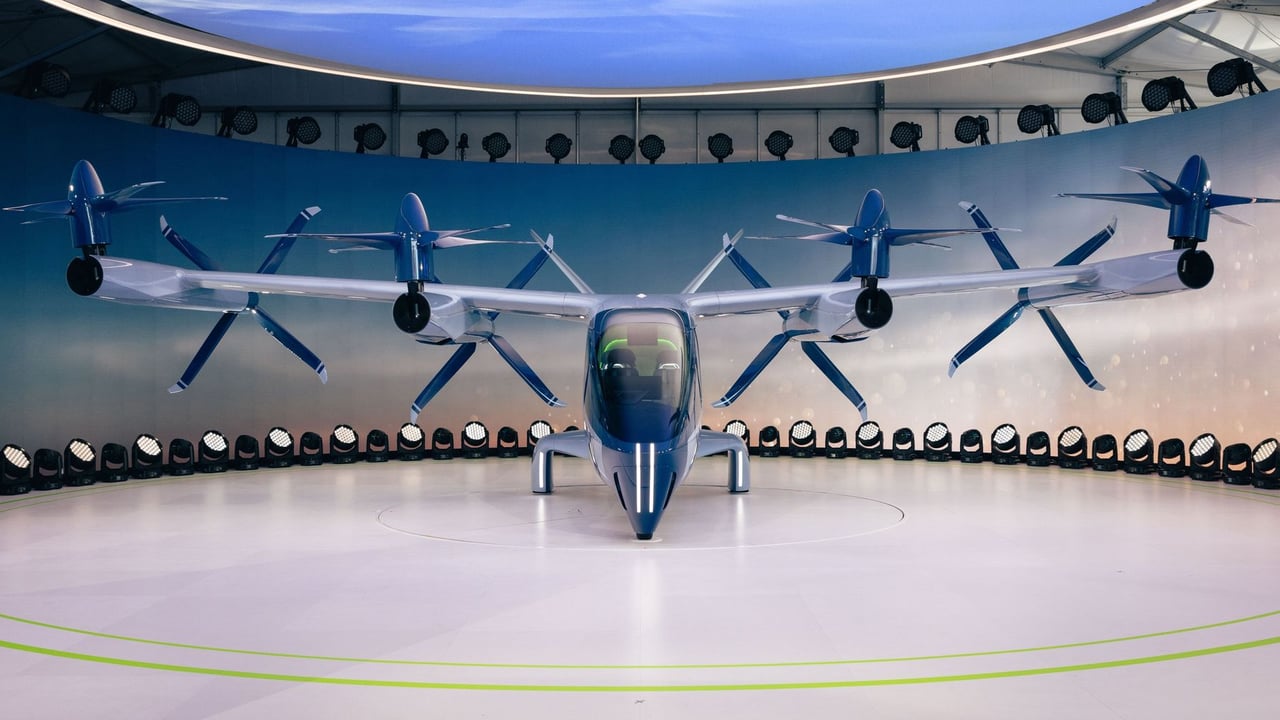

China’s nascent low-altitude economy is entering a critical phase of industrial professionalization. Liu Yingxiao, CEO of Aviage Low Altitude, argues that the sector will eventually mirror the automotive industry, where specialized giants like Bosch and Continental dominate components, or commercial aviation, where Honeywell and Collins Aerospace reign supreme. The era of the "DIY" flying taxi, where startups build every bolt and line of code themselves, may be coming to a necessary end.
Aviage Systems, a 50/50 joint venture between GE Aerospace and the Aviation Industry Corporation of China (AVIC), was a cornerstone of the C919 project, providing the narrow-body jet's core avionics. Now, the company is pivoting to the Electric Vertical Take-off and Landing (eVTOL) market through its new subsidiary. By offering standardized flight control and avionics solutions, Aviage aims to become the "Garmin of China" for the burgeoning urban air mobility sector.
The transition comes at a pivotal moment as Chinese manufacturers like Volant, XPENG AEROHT, and Aerofugia race toward mass production. While drone-native companies like EHang have historically preferred self-developed systems, a newer cohort of players is looking to Tier One suppliers to navigate the grueling airworthiness certification process. In the world of aviation, the "brain" of the aircraft—its avionics and flight control—is the hardest part to get right in the eyes of regulators.
Certification remains the industry's most daunting bottleneck. Professor Shen Navy of Tongji University notes that while many prototypes can fly, few can meet the safety standards required for legal passenger operations. The complexity of managing multiple motors and ensuring automated recovery from system failures requires a level of software reliability and safety architecture that most startups find prohibitively expensive and time-consuming to build from scratch.
Aviage’s competitive advantage lies in its "big aircraft genes." Having navigated the five-year certification journey of the C919, the company possesses the rigorous safety analysis and system architecture capabilities that startups lack. However, the company is careful to note that it cannot simply copy-paste C919 technology; the hardware for eVTOLs must be lighter and more agile, even if the underlying safety algorithms remain just as stringent.
Despite the technical promise, the path to profitability is fraught with challenges. Aviage’s low-altitude venture currently relies on revenue from its traditional aviation projects to fund "extremely massive" R&D investments. Furthermore, the company must prove to its international parent, GE Aerospace, that the low-altitude market—projected by Beijing to reach 3.5 trillion yuan by 2035—is a viable long-term bet rather than a passing regulatory fad.