
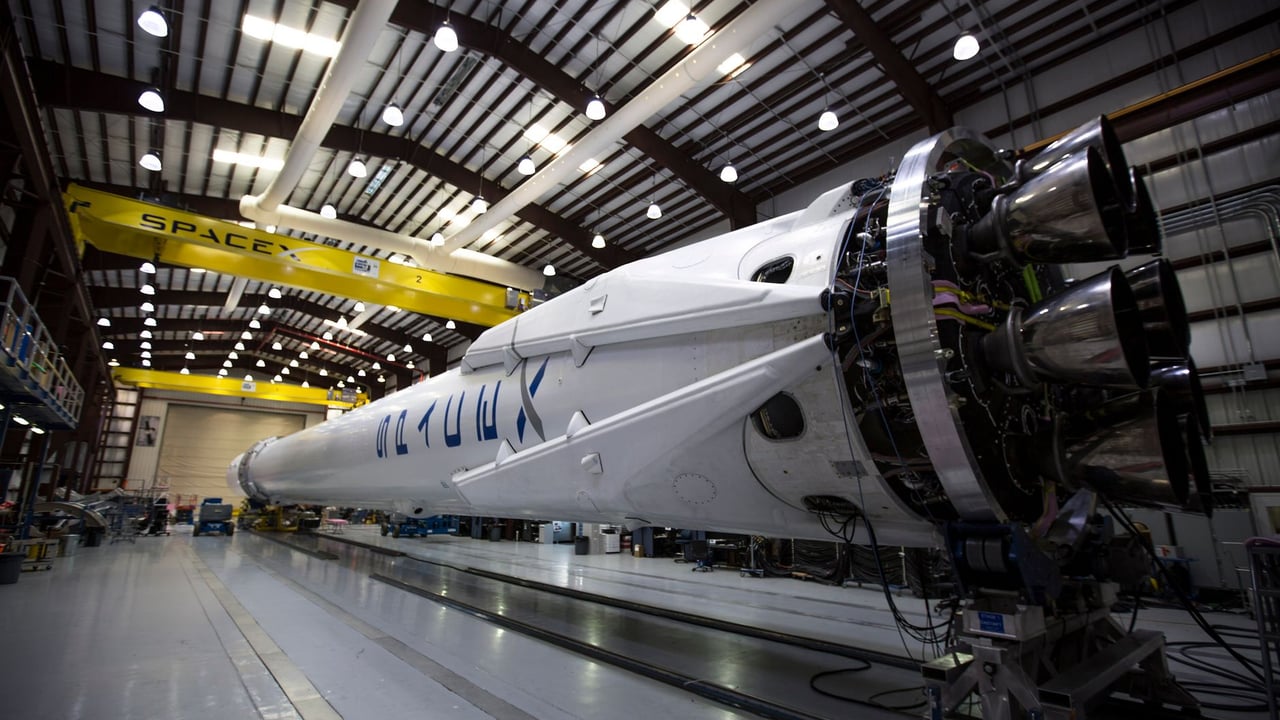

The global financial landscape reached a historic milestone on June 12, 2026, as SpaceX’s debut on the Nasdaq propelled Elon Musk into the record books as the world’s first trillionaire. Opening at $150 per share—an 11% jump from its offering price—SpaceX stock surged as much as 30% during intraday trading before settling at a market capitalization of $2.1 trillion. This valuation positions the aerospace titan as the seventh-largest public company globally, leapfrogging incumbents like Saudi Aramco and even Musk’s own Tesla.
Institutional appetite for the offering was nearly unprecedented, with the IPO attracting over $350 billion in subscription funds against a targeted $75 billion raise. While some analysts at Morningstar cautioned that the valuation was overly ambitious, bulls like Oppenheimer & Co. argue that investors are paying for more than just rockets. They view SpaceX as a dual play on leading-edge artificial intelligence and global connectivity through its Starlink satellite constellation, which now forms the backbone of the nascent orbital economy.
SpaceX President Gwynne Shotwell has steered the company’s narrative away from mere transportation toward a broader identity as an infrastructure powerhouse. By constructing launch sites and orbital data centers, the company is positioning itself as the physical layer of the next generation of AI and global internet services. This strategic pivot ensures that SpaceX remains insulated from the cyclical volatility of the automotive sector that has recently plagued Tesla’s valuation.
Musk’s personal fortune, now estimated at $1.1 trillion, is roughly equivalent to the annual GDP of Switzerland and more than triple that of his nearest rival, Larry Page. This staggering accumulation of capital marks a transition from what analysts call 'generational wealth' to 'infinite wealth.' For Musk, these resources have become a tool for geopolitical and social engineering, as evidenced by his acquisition of the X platform and his deepening involvement in American political structures.
Despite the triumph, the road to a trillion-dollar valuation remains paved with significant risks. Musk’s wealth remains largely illiquid, tied up in massive equity stakes that could face downward pressure if he were forced to sell in bulk. Furthermore, his dominance in the orbital launch market and his dual role in government efficiency initiatives continue to draw regulatory scrutiny and public debate over the concentration of power in a single individual's hands.