
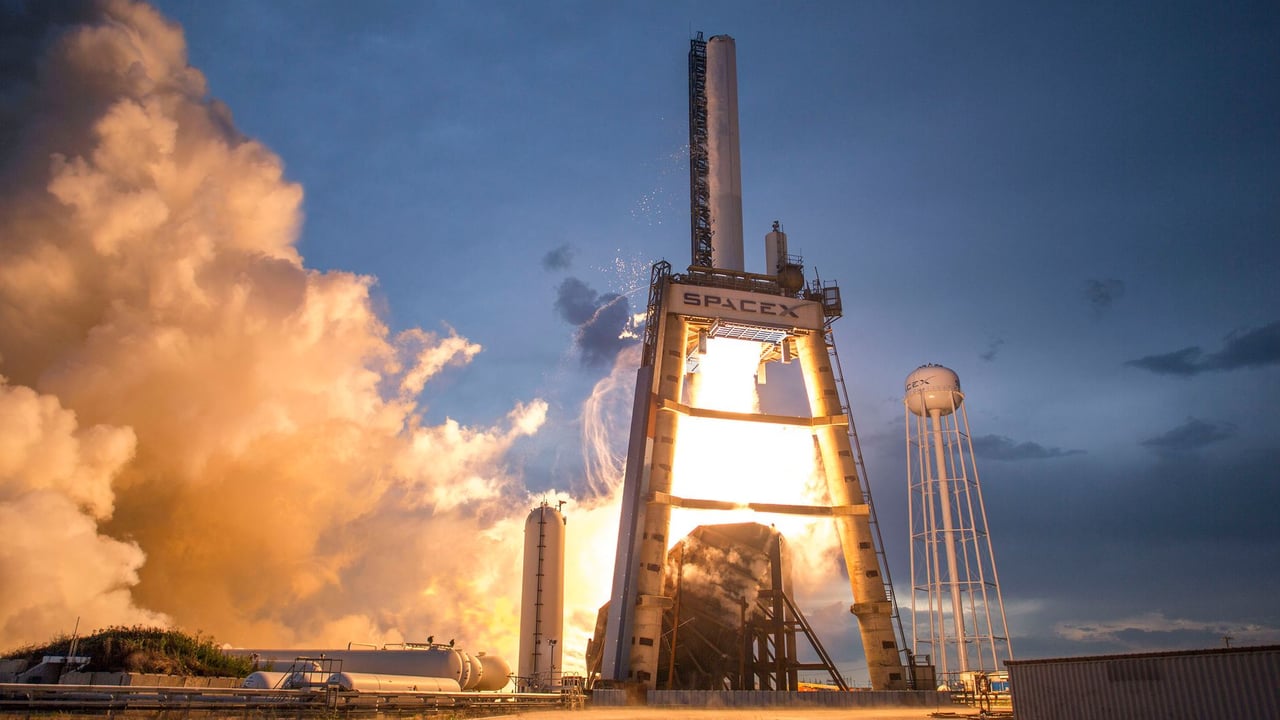

Iran’s military establishment is increasingly viewing civilian space infrastructure as a legitimate extension of Western military power. Reports from the Fars News Agency suggest that Tehran is currently evaluating a target list that includes ground facilities belonging to Elon Musk’s SpaceX and its Starlink satellite network. This strategic pivot reflects a growing frustration within the Islamic Republic over the technological edge provided to its adversaries by private American enterprises.
The scope of the potential targeting is remarkably broad, spanning not only Israel but also key regional intermediaries such as Qatar, Jordan, the United Arab Emirates, and Oman. By identifying specific ground stations and infrastructure linked to SpaceX investors, Iran is signaling its readiness to disrupt the digital backbone that allegedly facilitates U.S. and Israeli military communications across West Asia. This move underscores the blurring lines between commercial telecommunications and national security operations.
This development is part of a broader global trend where private tech billionaires find themselves at the center of high-stakes geopolitical maneuvers. Just as Starlink became a critical lifeline for Ukrainian forces, its deployment in the Middle East is now perceived by Tehran as a direct threat to its regional influence and security. The inclusion of Arab nations in the target list suggests that Iran is willing to risk further diplomatic isolation to neutralize perceived American-Israeli surveillance and communication advantages.
For SpaceX and the Musk empire, this represents a significant escalation in operational risk. Until now, the primary threats to satellite networks have been electronic jamming or cyber-attacks. The prospect of physical kinetic strikes against ground infrastructure in various sovereign nations introduces a volatile new element into the corporate risk assessment of global tech firms operating in contested zones.