
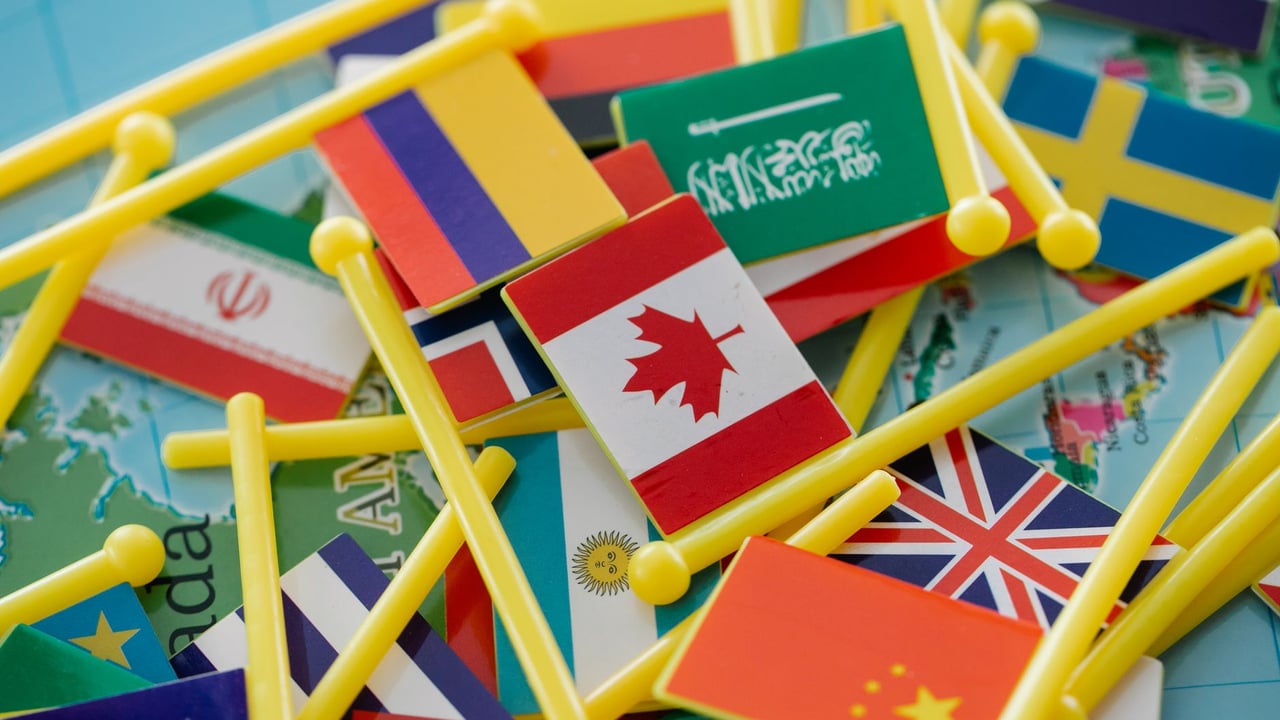

In a dramatic reversal that has become a hallmark of his foreign policy, President Donald Trump announced the cancellation of a massive military strike against Iran just hours before it was slated to begin. Taking to social media on June 11, 2026, the President claimed that a 'very strong memorandum of understanding' had been reached and approved by Tehran’s supreme leadership. The sudden de-escalation followed days of soaring tensions that saw Washington threatening to seize Iran’s primary oil export hubs.
Trump’s narrative suggests a diplomatic breakthrough of historic proportions, with plans for a signing ceremony in Europe involving Vice President J.D. Vance. The President indicated that he had coordinated with Israeli Prime Minister Benjamin Netanyahu and a coalition of Gulf leaders to ensure regional backing for the deal. According to the White House, the agreement aims to place stringent new limits on Iran’s nuclear program and missile capabilities in exchange for a reprieve from total economic annexation.
However, the view from Tehran is starkly different, casting a shadow of uncertainty over the supposed peace. The Iranian Foreign Ministry and state-affiliated media have characterized Trump’s claims as mere speculation, asserting that no final agreement has been ratified. Iranian officials maintain that while mediation via Qatar and Pakistan continues, significant hurdles remain regarding 'red line' issues and what they describe as Washington’s inconsistent negotiating positions.
The lead-up to the aborted strike featured some of the most aggressive rhetoric of the current administration. Trump had explicitly threatened to occupy Kharg Island and other critical energy infrastructure to achieve total control over Iran’s oil and gas markets, citing the 'Venezuela model' as a precedent. This existential threat to Iran’s economy prompted Tehran to warn that any disruption to its exports would result in the total collapse of regional energy security, effectively closing the Strait of Hormuz.
As the world watches this high-stakes game of chicken, the discrepancy between Washington's triumphalism and Tehran's cautious denial suggests a fragile stalemate. Trump appears intent on projecting a narrative of absolute control and diplomatic victory, even as the reality on the ground remains volatile. For now, the immediate threat of a regional conflagration has been stayed, but the fundamental distrust between the two powers continues to simmer beneath the surface of this precarious 'understanding.'