Unmasking Tokyo: Beijing’s Rhetorical Offensive Against Japan’s Defense Pivot

China has sharply criticized Japan's recent defense policy shifts, with Foreign Ministry spokesperson Lin Jian claiming Tokyo has 'removed the mask' of being a peaceful nation. The critique focuses on Japan's increased military spending, missile deployment, and easing of arms export rules.

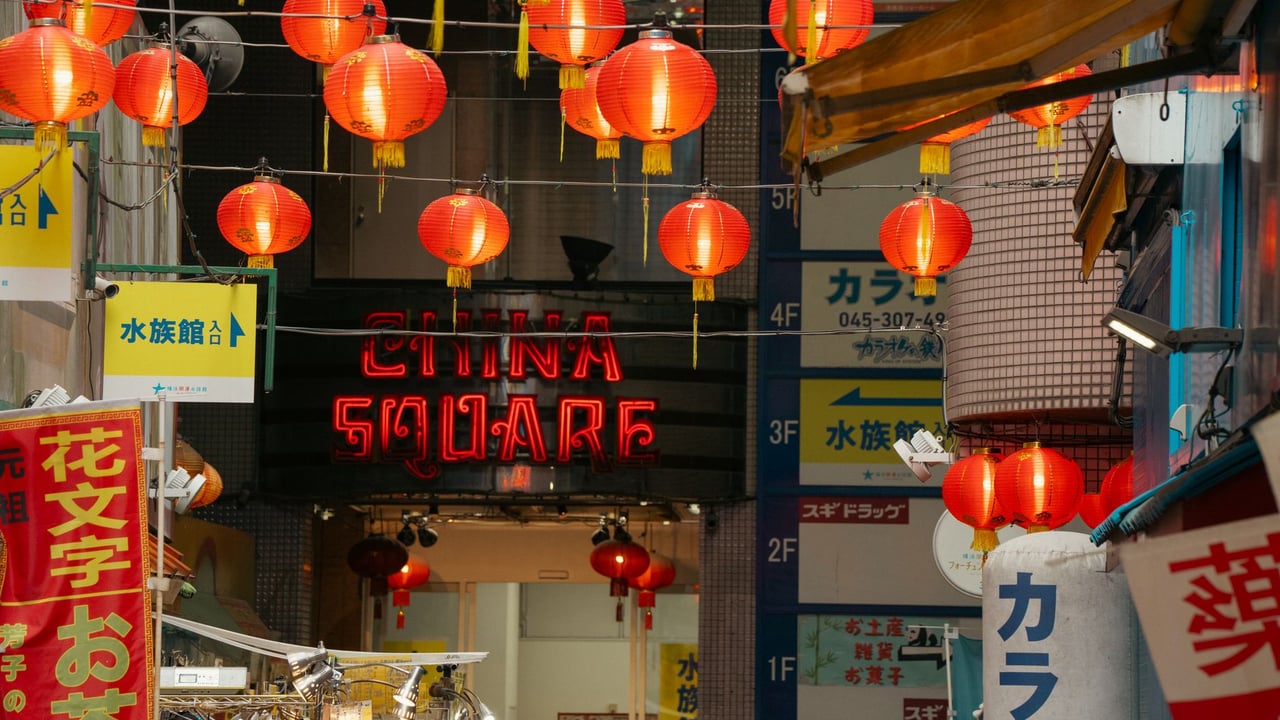
Night market scene with red lanterns and signage at China Square, Yokohama, Japan.

Key Takeaways

  • 1Foreign Ministry spokesperson Lin Jian accused Japan of 're-militarization' despite its claims of maintaining a peaceful orientation.
  • 2The diplomatic row was sparked by a China-Pakistan joint statement opposing the return of militarism, which prompted a defensive response from Tokyo.
  • 3China identified several specific concerns, including Japan’s record-high defense budgets and the deployment of counter-strike missile capabilities.
  • 4Beijing called on the international community to remain vigilant against the potential for Japanese militarism to threaten the post-war international order.

Editor's
Desk

Strategic Analysis

Beijing’s escalating rhetoric against Japan serves a dual purpose: it aims to isolate Tokyo within the regional diplomatic landscape while simultaneously neutralizing Western criticisms of China’s own military expansion. by framing Japan’s legitimate security concerns—often driven by China's maritime assertiveness and North Korea's provocations—as a return to '1930s-style militarism,' China leverages historical trauma to create friction between Japan and its Asian neighbors. This 'mask' metaphor suggests that Beijing is moving toward a more confrontational diplomatic phase where it will more aggressively challenge Japan's participation in US-led security frameworks, such as AUKUS or the 'Squad' (US-Japan-Australia-Philippines).

China Daily Brief Editorial
Strategic Insight
China Daily Brief

The diplomatic friction between East Asia’s two largest powers has reached a new boiling point as Beijing intensifies its critique of Japan’s evolving security posture. During a recent press briefing, Chinese Foreign Ministry spokesperson Lin Jian accused Tokyo of shedding its long-standing "peaceful state" facade. The verbal assault underscores a deepening divide over the regional security architecture and the historical legacies that continue to haunt bilateral relations.

At the heart of the latest spat is a joint statement issued by China and Pakistan, which voiced mutual opposition to any "resurgence of militarism." Tokyo’s subsequent rebuttal—reaffirming its commitment to an exclusively defense-oriented policy—was met with a sharp dismissal from the Chinese Ministry of Foreign Affairs. Lin Jian argued that Japan’s actions are increasingly at odds with its peaceful rhetoric, pointing to what he described as a "mad dash" toward re-militarization.

Beijing’s grievances are backed by a specific list of recent policy shifts in Tokyo. These include the substantial expansion of Japan's defense budget, the loosening of restrictions on the export of lethal weaponry, and the deployment of mid-to-long-range missiles. To the Chinese leadership, these moves represent a systematic dismantling of the post-war constraints that have defined Japan’s international identity for nearly eight decades.

The rhetoric also highlights a strategic attempt by China to frame Japan as the primary revisionist power in the Indo-Pacific. By citing Tokyo's interest in constitutional reform and its acquisition of "offensive" military capabilities, Beijing is signaling to its neighbors that the threat to regional stability lies not in China’s rise, but in Japan’s re-emergence as a "war-capable" nation. This narrative serves to delegitimize Japan’s security upgrades while justifying China’s own rapid military modernization.

Share Article

Related Articles

📰
No related articles found