Naming the Sword: The Republican Push to Restore the ‘Department of War’

Republican lawmakers are pushing a provision to rename the Department of Defense to the 'Department of War' within the latest $1.15 trillion defense budget bill. While supporters claim the change clarifies the military's core mission, critics argue it is an expensive and unnecessary rebranding exercise.

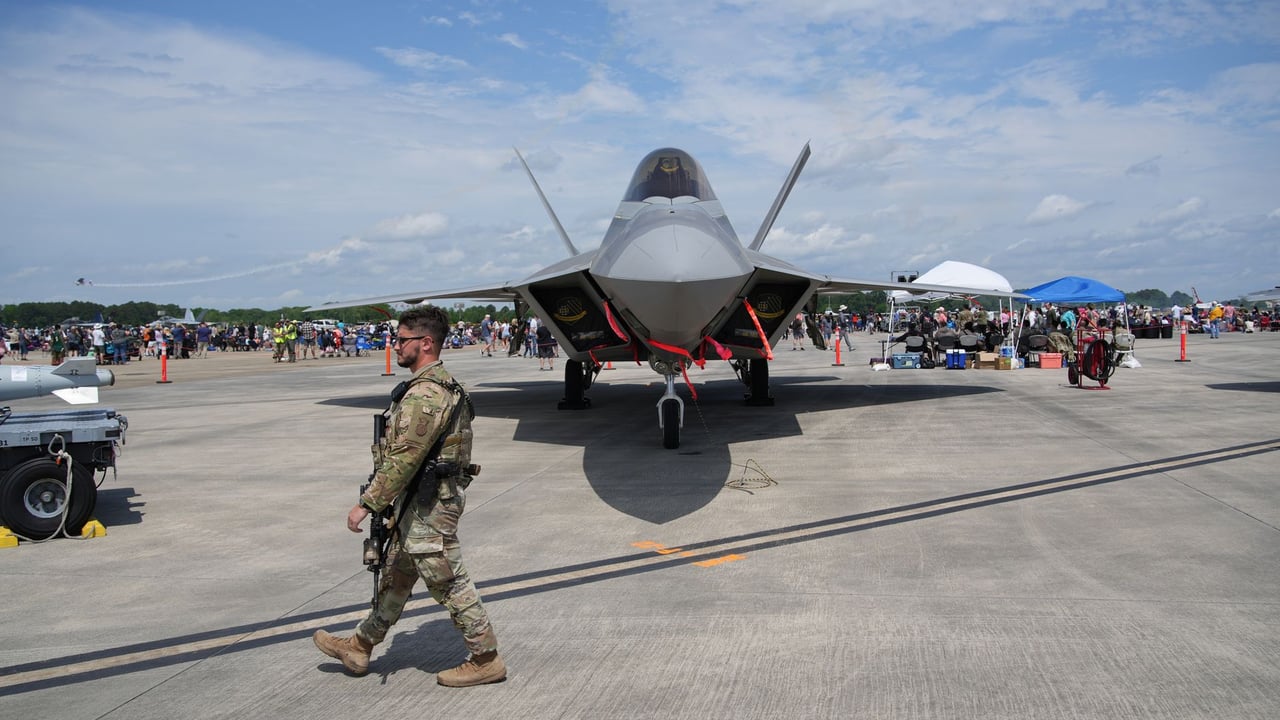
American military fighter jet displayed at an air show in Hampton, Virginia.

Key Takeaways

  • 1Both House and Senate Armed Services Committees included the name change in the $1.15 trillion NDAA.
  • 2Republicans view the 'Department of War' name as a more accurate reflection of the military's core mission.
  • 3Democrats oppose the move as a costly 'image project' that lacks substantive strategic value.
  • 4The Pentagon has already begun implementing the change in non-legal capacities, such as email signatures and signage.
  • 5Final passage depends on reconciling different versions of the bill before a full floor vote later this year.

Editor's
Desk

Strategic Analysis

The push to revive the 'Department of War' is more than a linguistic throwback; it is a symbolic pivot toward a 'pre-war' mindset. By stripping away the administrative veneer of 'Defense,' proponents are signaling a transition from a posture of containment to one of active engagement and decisive lethality. For international observers, particularly in Beijing and Moscow, this rebranding serves as a domestic signal of American resolve and a deliberate hardening of its global stance. However, the internal friction caused by this change highlights a deepening partisan divide over the very purpose of American power in the 21st century.

China Daily Brief Editorial
Strategic Insight
China Daily Brief

In a move that signals a profound shift in American military posture, Republican lawmakers are aggressively pursuing a rebranding of the Department of Defense. This proposed change would revert the institution's name to the "Department of War," a title it held from the founding of the nation until the post-World War II restructuring in 1947.

The provision has been embedded within the House and Senate versions of the National Defense Authorization Act (NDAA), a piece of "must-pass" legislation. With a staggering $1.15 trillion budget on the line, the renaming effort has become a flashpoint in the broader debate over the future of American hegemony.

Proponents of the change argue that "Defense" is an euphemism that obscures the military’s primary function: the projection of power and the winning of conflicts. By returning to the "War" moniker, they seek to instill a more aggressive, mission-oriented culture within the Pentagon’s sprawling bureaucracy.

Opposition remains fierce among Democrats, who dismiss the move as a costly and performative distraction. They contend that the logistical nightmare of changing thousands of signs, seals, and digital identifiers serves no strategic purpose and only deepens political polarization within the armed forces.

Despite the legislative hurdles remaining, the Pentagon has reportedly begun preemptive shifts, including updates to email signatures and social media branding. This suggests an institutional momentum that may be difficult to reverse, regardless of the final vote expected later this year.

Share Article

Related Articles

📰
No related articles found