
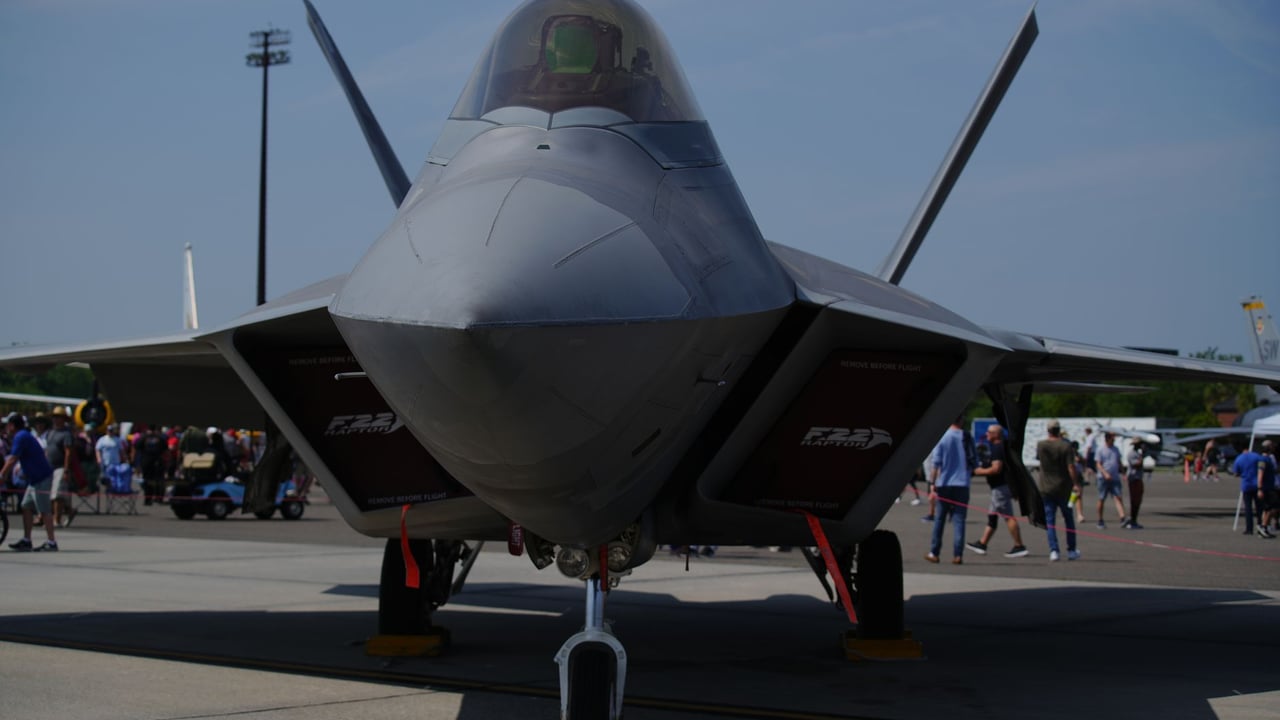

The defense partnership between Washington and Seoul has entered a period of rapid acceleration, marked by a string of high-value approvals for sophisticated weaponry. On June 10, the U.S. State Department greenlit a $292 million sale of 70 AIM-120C-8 Advanced Medium-Range Air-to-Air Missiles (AMRAAM) to the South Korean government. This deal, which includes critical guidance components and logistical support, marks the second major military transaction between the two nations in less than a month.
This latest missile package follows a massive $4.2 billion arms sale authorized on May 18, highlighting an unprecedented tempo in bilateral security cooperation. That earlier approval was dominated by a $3 billion deal for 24 MH-60R Seahawk multi-mission helicopters, designed to sharpen Seoul’s anti-submarine warfare capabilities. Additionally, $1.2 billion was allocated for comprehensive upgrades to South Korea’s existing fleet of AH-64E Apache attack helicopters, ensuring their combat edge remains sharp.
The strategic timing of these approvals reflects a concerted effort by the United States to modernize the Republic of Korea (ROK) Armed Forces amidst evolving regional threats. By providing the AIM-120C-8—the most advanced variant of the AMRAAM—the U.S. is significantly enhancing the ROK Air Force’s beyond-visual-range lethality. These missiles are essential for maintaining air superiority in a theater where North Korea continues to advance its tactical strike capabilities and drone technologies.
Furthermore, the integration of these systems underscores the move toward "integrated deterrence" in the Indo-Pacific. The Seahawk and Apache acquisitions represent a shift toward high-end, multi-domain capabilities that allow the alliance to project power both at sea and on land. As regional tensions simmer, this rapid-fire series of Foreign Military Sales (FMS) serves as a potent reminder of the technological gap Washington intends to maintain over its competitors in Northeast Asia.