
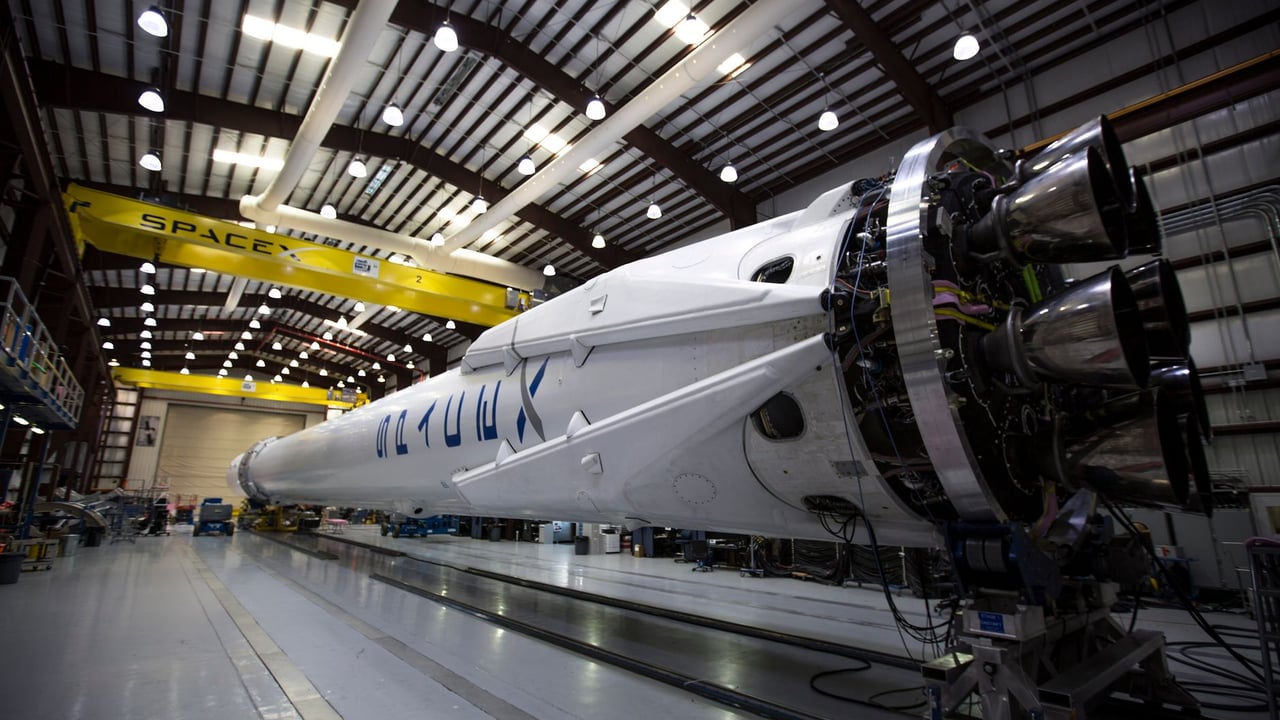

The ringing of the Nasdaq bell on June 12, 2026, marked more than just the successful public listing of SpaceX; it signaled the birth of the world’s first trillionaire. As SpaceX shares surged on their debut, Elon Musk’s net worth crossed a threshold once deemed unreachable. His fortune, larger than the annual GDP of Switzerland, represents a new era where personal wealth is no longer just a measure of success, but a geopolitical metric of its own.
To understand the magnitude of a trillion dollars, one must look past the digits. If Musk were to spend $100 million every single day, it would take him over 27 years to exhaust his fortune. Yet, this wealth is not a mountain of cash sitting in a vault; it is a speculative monument built on equity and market confidence. It is the capital market’s aggressive pricing of Musk's vision for the future of transportation, energy, and orbital infrastructure.
Historically, the throne of the world’s richest person was reserved for those who controlled the physical world. For decades, the list was dominated by oil tycoons like J. Paul Getty and real estate moguls from Japan’s 1980s asset bubble. These fortunes were tied to tangible, finite resources—land, tankers, and crude. In that era, the "spice" of global commerce was something you could touch, and its growth was limited by the physical constraints of production and geography.
The paradigm shifted in 1995 when Bill Gates ascended the ranks, proving that the most valuable commodity was no longer oil, but the intangible code of an operating system. This introduced the concept of "scalability," where a single product could be replicated at near-zero marginal cost. This shift paved the way for the tech-dominated top-ten lists of today, where data and software have replaced heavy industry as the primary engines of wealth creation.
Elon Musk has taken this logic to its ultimate conclusion. By positioning SpaceX not just as a rocket company but as a gatekeeper to the stars, he has captured the market's imagination. However, the financial foundation remains precarious. SpaceX’s internal filings reveal significant losses in its AI and deep-space divisions, meaning Musk’s trillion-dollar status is a bet on a future that has yet to be fully realized. To sustain this valuation, the "light of consciousness" he aims to spread across the stars must eventually be converted into terrestrial profit.