
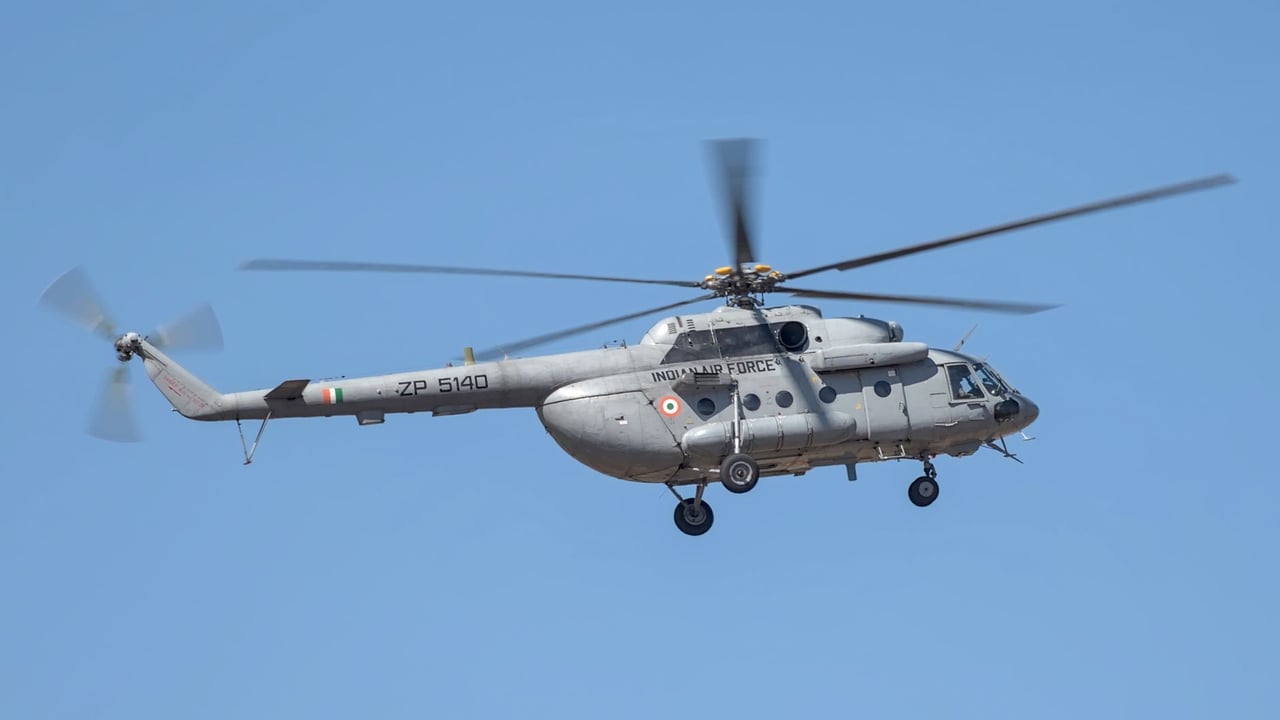

A devastating incident at an Indian Air Force base has resulted in the catastrophic loss of a transport aircraft and the presumed death of its pilot. Early reports from the scene describe a grim landscape of debris, with the aircraft’s fuselage reportedly snapped into two distinct sections. This structural failure indicates a high-energy impact, occurring at a time when the Indian Air Force is under immense pressure to maintain its logistical edge in a complex regional security environment.
While the specific model of the aircraft has not been officially confirmed, the wreckage suggests a failure during a critical phase of flight, such as takeoff or landing. For the Indian Air Force, the transport fleet serves as the connective tissue for its operations, particularly in the high-altitude theaters of the Himalayas. Any loss of airframe and, more importantly, experienced flight crew, represents a significant setback to the nation's rapid deployment capabilities.
The crash occurs against the backdrop of an ambitious but uneven modernization drive within India's military aviation sector. While the force has successfully integrated sophisticated platforms like the C-17 Globemaster III and C-130J Super Hercules, it continues to operate a legacy fleet of Soviet-era Antonov An-32s. These older platforms have faced scrutiny regarding their maintenance cycles and the availability of spare parts, especially given the ongoing geopolitical shifts affecting supply chains.
Investigative teams are expected to focus on whether the disaster was the result of mechanical fatigue, pilot error, or external environmental factors. Regardless of the findings, the incident will likely accelerate calls for the expedited retirement of aging airframes and the faster induction of modern alternatives, such as the C-295 transport aircraft currently being manufactured under the 'Make in India' initiative. The human cost remains the most poignant aspect of the tragedy, as the loss of a trained pilot is a blow that cannot be easily mitigated by hardware replacement.