The Art of the Persian Deal: Trump and Araghchi Signal a Historic Strategic Thaw

Iran and the United States have signaled a major diplomatic breakthrough, with both Iranian Foreign Minister Araghchi and President Trump indicating that a ceasefire memorandum is nearing completion. Facilitated by Pakistani mediation, the potential agreement suggests a strategic recalibration and a rare moment of alignment between the two rivals.

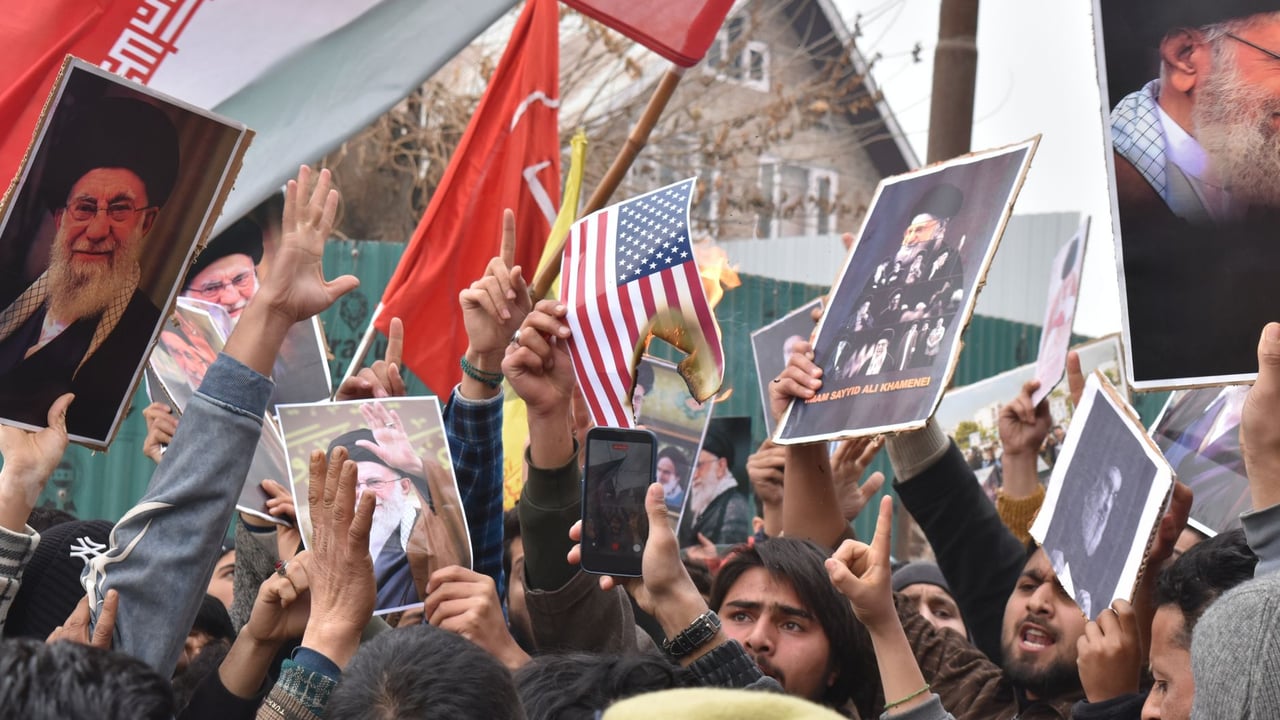
Crowd of demonstrators holding flags and banners during a protest outdoors.

Key Takeaways

  • 1Iranian Foreign Minister Abbas Araghchi claims the US and Iran are closer than ever to a formal memorandum of understanding.
  • 2President Donald Trump signaled high-level approval of the progress by sharing Araghchi's announcement on social media.
  • 3Pakistan is acting as a primary mediator, with Prime Minister Shehbaz Sharif working to finalize the technical steps of the deal.
  • 4Chinese analysts believe a 'balance of interests' has been reached, marking a shift from Iran's previous skepticism toward the negotiation process.
  • 5The agreement is framed as a regional ceasefire, though the exact text remains confidential and subject to final-stage risks.

Editor's
Desk

Strategic Analysis

This potential breakthrough reflects a pragmatic pivot in Middle Eastern geopolitics. For the Trump administration, a successful 'Persian Deal' would serve as a crowning foreign policy achievement, potentially outshining the Abraham Accords by neutralizing a primary regional threat through bilateral diplomacy rather than just containment. For Tehran, the move is likely driven by economic necessity and a desire to stabilize its regional position amidst shifting alliances. The use of Pakistan as a bridge, rather than traditional European intermediaries, highlights a shift toward regional ownership of security architectures. If this MOU transitions into a durable framework, it would signify the end of the 'Maximum Pressure' era and the beginning of a transactional, if still wary, coexistence between Washington and Tehran.

China Daily Brief Editorial
Strategic Insight
China Daily Brief

The long-frozen diplomatic corridor between Washington and Tehran may finally be entering a significant thaw. In an unexpected display of high-stakes digital diplomacy, Iranian Foreign Minister Abbas Araghchi declared that both nations have "never been closer" to reaching a memorandum of understanding regarding a regional ceasefire and strategic de-escalation.

This optimistic sentiment was bolstered by a surprising endorsement from the White House. President Donald Trump’s decision to retweet Araghchi’s statement has sent shockwaves through geopolitical circles, signaling a rare moment of alignment between two adversaries who have spent years locked in a cycle of sanctions and proxy conflicts.

Adding weight to these claims, Pakistani Prime Minister Shehbaz Sharif confirmed that Islamabad is currently working in close coordination with both the U.S. and Iran to finalize the "subsequent steps" of the agreement. Sharif’s rhetoric mirrored the optimism seen in Tehran, suggesting that the prospect of peace is more tangible now than at any point in recent history.

Qin Tian, a leading Middle East scholar at the China Institutes of Contemporary International Relations (CICIR), observes that this pivot indicates a hard-won balance of interests. While Iran had previously maintained a conservative and skeptical stance during negotiations, Araghchi’s public confidence suggests that Tehran has secured terms it deems acceptable.

The shift implies that the two nations have navigated the complex terrain of mutual demands to find a point of equilibrium. This breakthrough likely follows intense back-channel negotiations where the costs of continued confrontation finally outweighed the risks of a compromise for both the Trump administration and the Iranian leadership.

However, the path to a formal signing remains fraught with potential obstacles. Analysts warn that the "last mile" of diplomacy is often the most dangerous, where domestic hardliners or regional spoilers could still derail the process. While the digital signals are positive, the true test will be the transition from social media rhetoric to a legally binding and verifiable framework.

Share Article

Related Articles

📰
No related articles found