
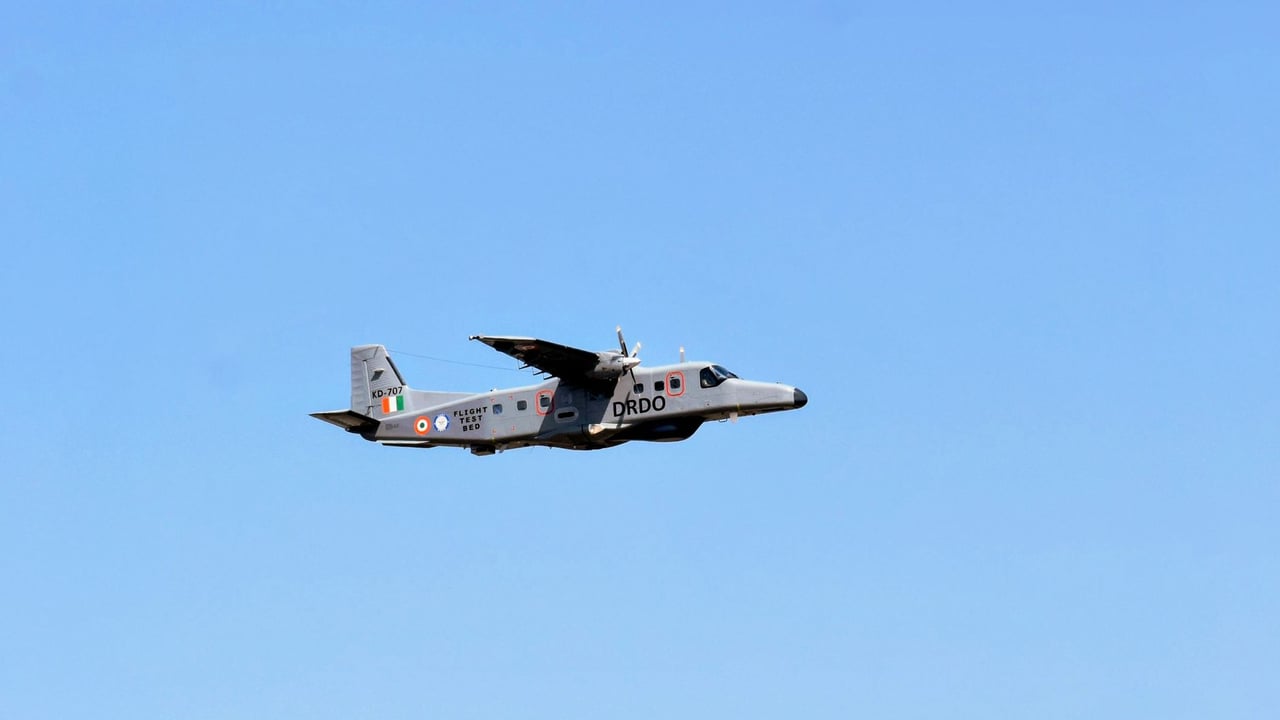

The Indian Air Force (IAF) faced another setback in its logistical backbone as an Antonov An-32 transport aircraft crashed during landing at the Jorhat Air Force Station in Assam. Initial reports indicate the aircraft burst into flames upon impact, once again bringing the safety record of India’s aging Soviet-era transport fleet into the international spotlight.
The An-32 has long served as the workhorse for the IAF, particularly in the rugged and geographically isolated terrain of Northeast India. These aircraft are essential for navigating short runways and unpredictable weather patterns, providing a lifeline to remote military outposts. However, the platform has been plagued by a series of high-profile accidents over the last decade, raising recurring questions about airframe fatigue and maintenance standards.
Jorhat is a critical hub for India’s eastern defense posture, facilitating essential troop movements and supplies to sensitive border regions. Any disruption in air lift capabilities at this strategic junction impacts the logistics chain of the Eastern Command, especially as New Delhi continues to bolster its presence near the Line of Actual Control.
This latest incident underscores the urgency of the IAF’s transition to newer platforms like the Airbus C-295. While New Delhi has prioritized domestic manufacturing through its "Make in India" initiatives, the timeline for induction often struggles to keep pace with the retirement of airframes that have long exceeded their original technical life. The reliance on legacy equipment remains a primary challenge for India's military modernization goals.